Seeing Beauty
From modern painting to dry gardens, castles and street signs, students learn to observe instead of simply passing by.
Japan · Kansai
A winter family art journey across Kyoto, Nara, Shiga, Nagoya and Osaka, where museums, washi, sushi, snow, manga and tea become lessons in observation and making.
Kansai’s Five Cities
Kyoto first, then Nara and Nagoya, a day at Lake Biwa in Shiga, and two days in Osaka.
Art Study
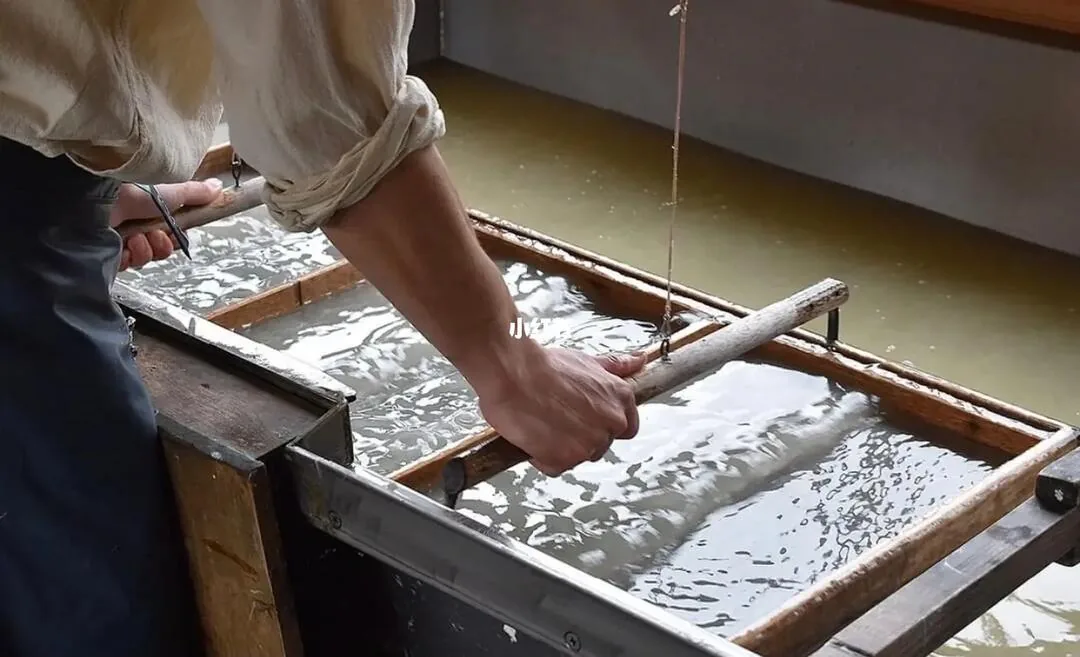
What you make: a sheet of washi, sushi, an original manga character and a travel journal of observation notes.
Winter Snow
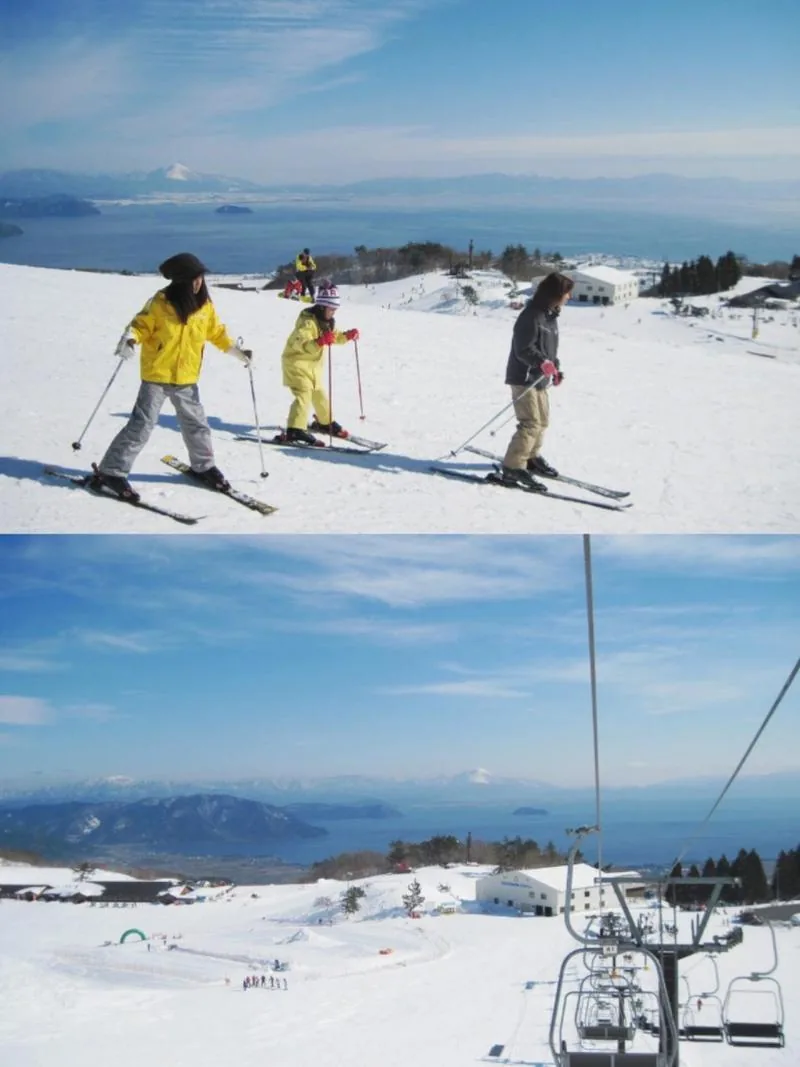
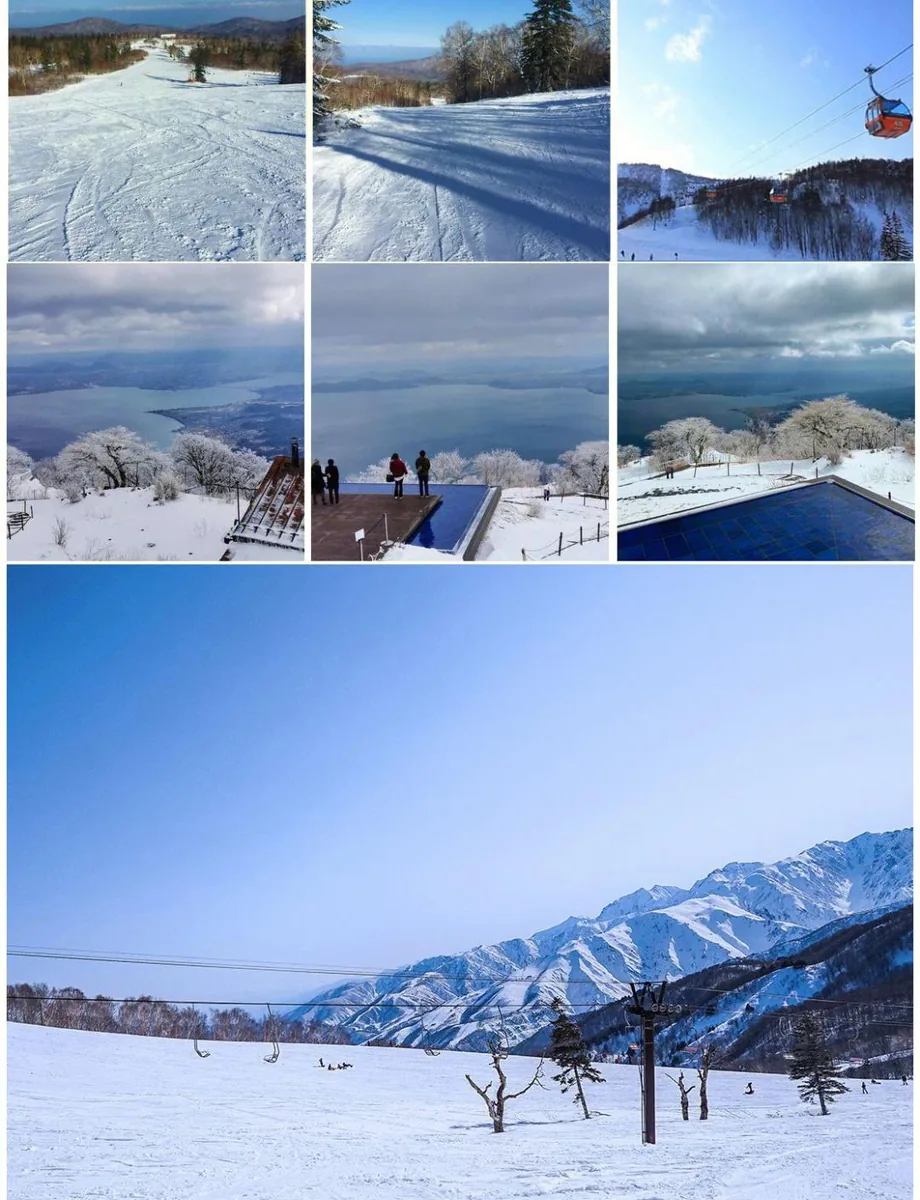
Snow: one day at the Biwako slopes.
Why Kansai
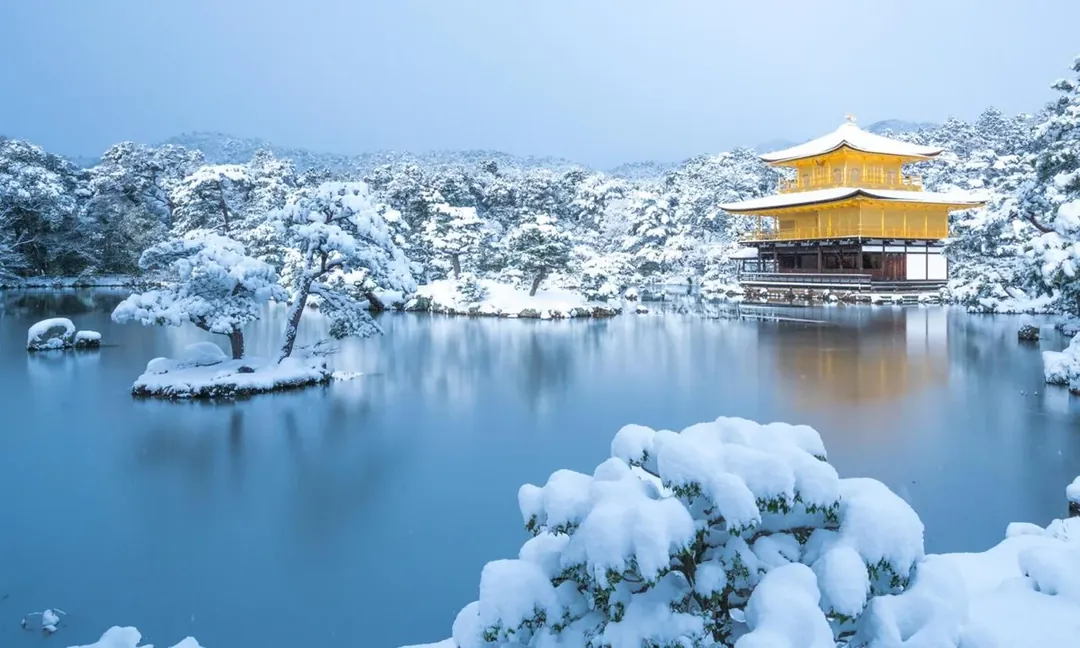
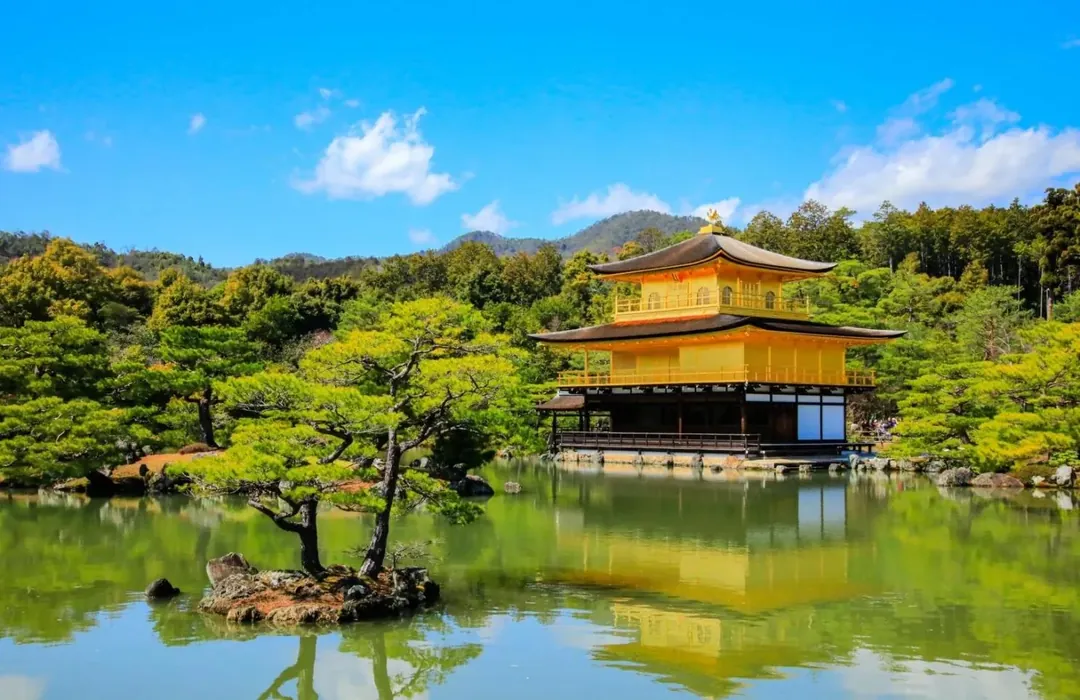
Winter Kansai is quieter than Hokkaido. The week alternates between time indoors, in museums, workshops and a tea room, and time outdoors at Kinkakuji, Nara Park and the Biwako snow.
A child is asked to look closely at one thing at a time, a painting, a sheet of washi or a bowl of tea, and to write or draw what they saw in a travel journal that comes home with them.
Kyoto for the museums and Kinkakuji, Nara for the deer park and a sushi class, Nagoya for Kisho Kurokawa’s art museum, Shiga for the snow, and Osaka for Universal Studios, the manga school, the castle and tea.
From modern painting to dry gardens, castles and street signs, students learn to observe instead of simply passing by.
Washi paper, sushi, an original manga character and tea ceremony are made or done by the child’s own hands, not watched.
Quiet drawing and reflection happen indoors; outdoor scenery is left to the eyes and memory to slowly mature.
Day 1–2 · Arrival and Kyoto
On the night we arrive in Kansai, students record three first impressions: the warm glow of a paper lantern at the airport, the quietness of a late-night street, or the delicacy of a wagashi sweet. From the first moment, the journey is not only about arriving; it is about learning how to look.
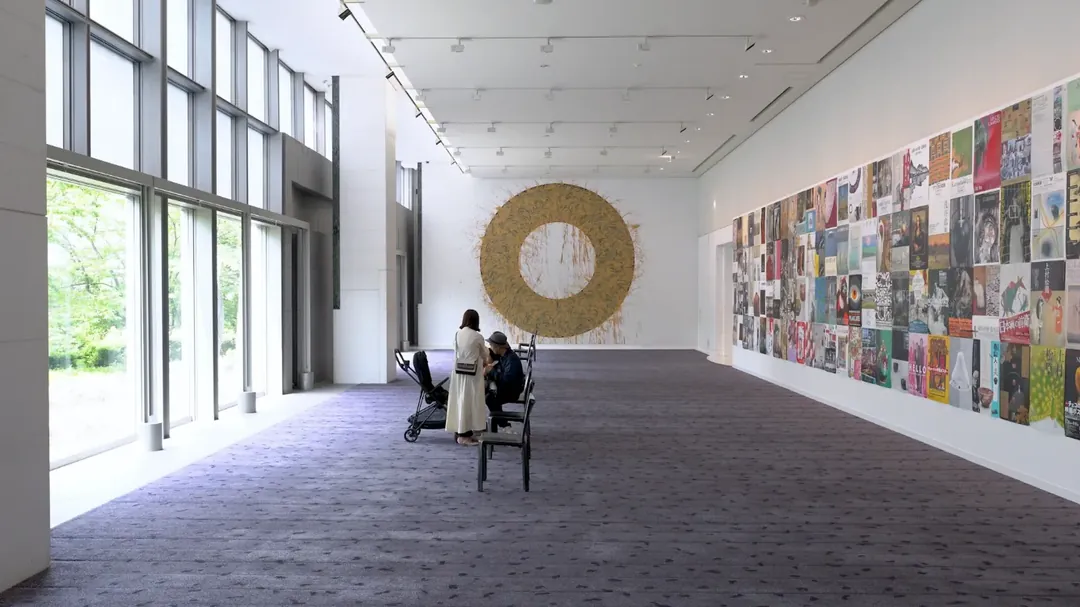
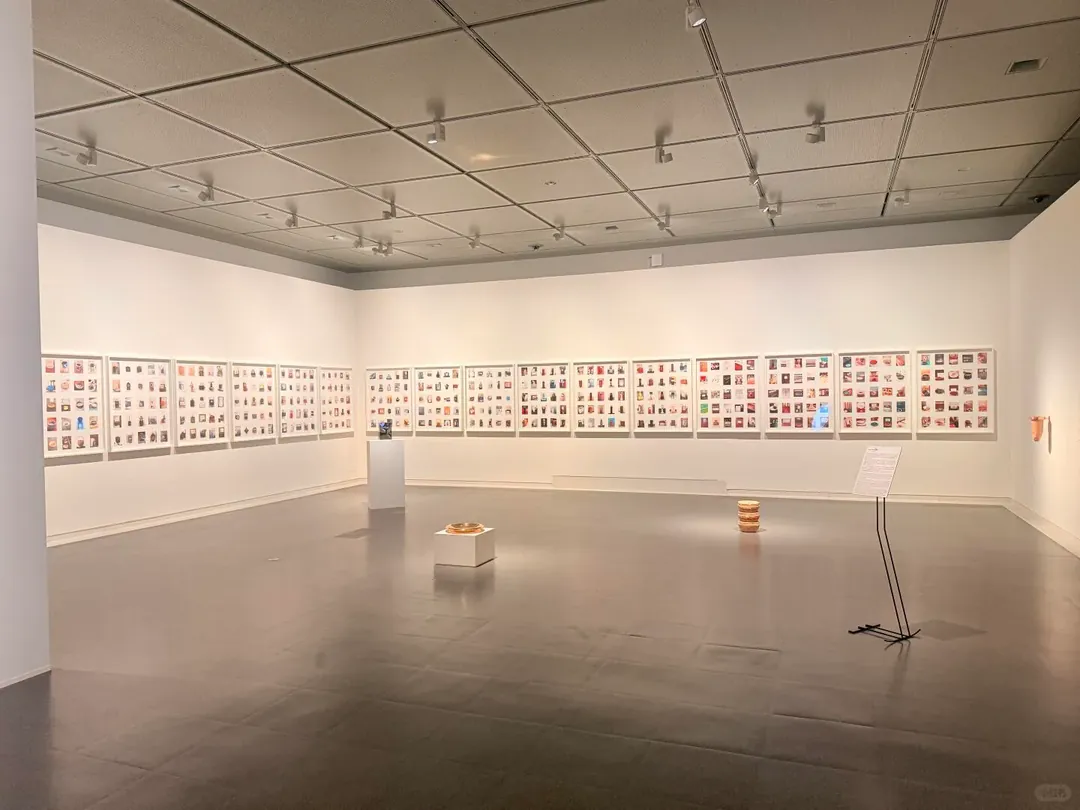
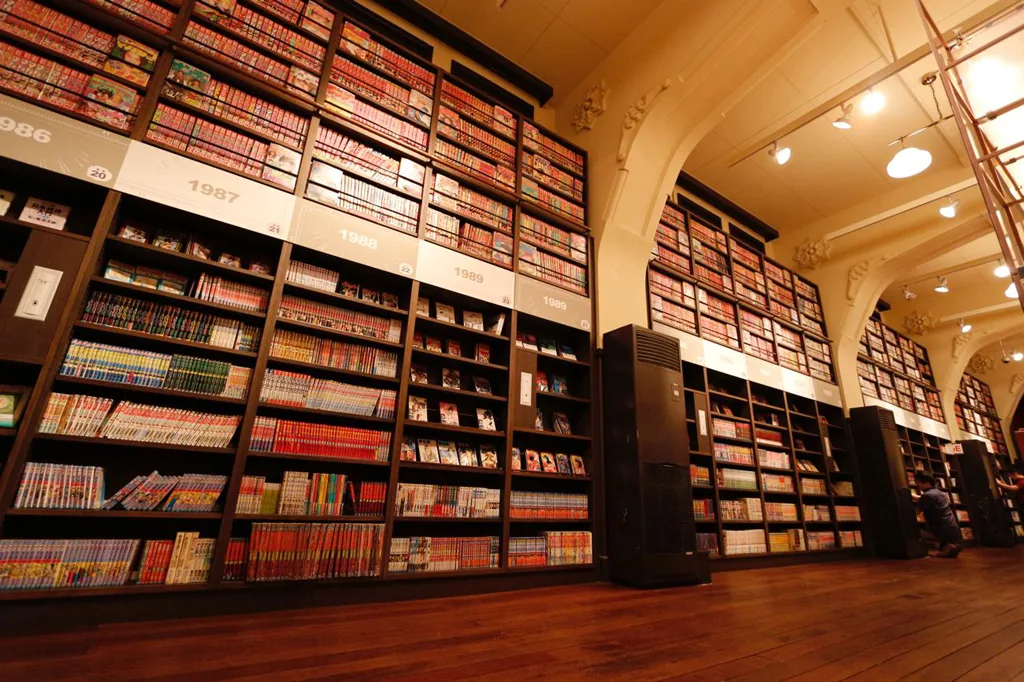
The second day takes us into the National Museum of Modern Art, Kyoto and the Kyoto International Manga Museum. From Takeuchi Seiho to Uemura Shoen, from manga archives to character creation, students explore how line, color and narrative carry a century of visual language.
Day 3 · Nara and Nagoya
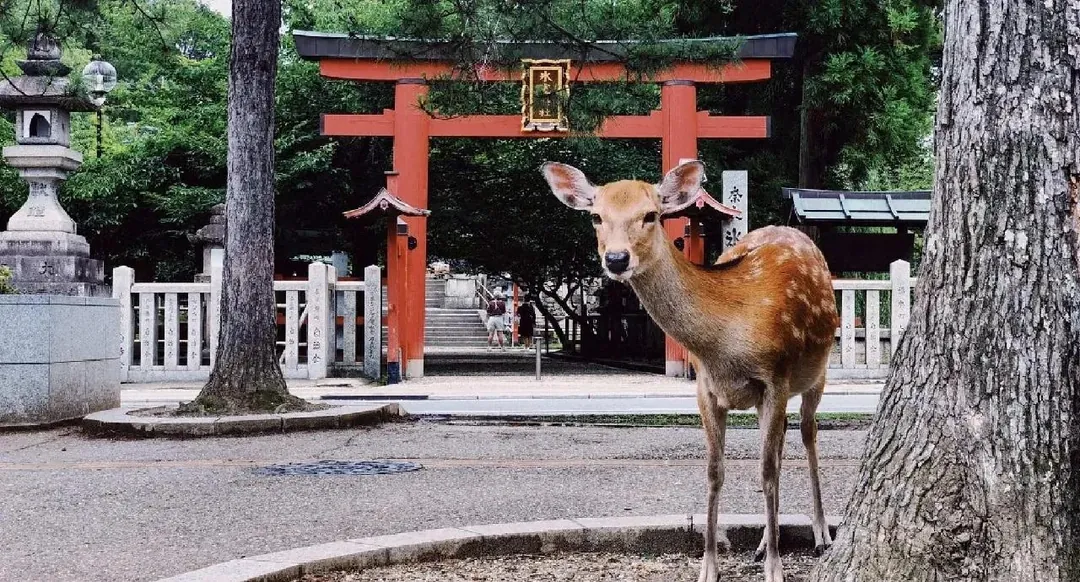
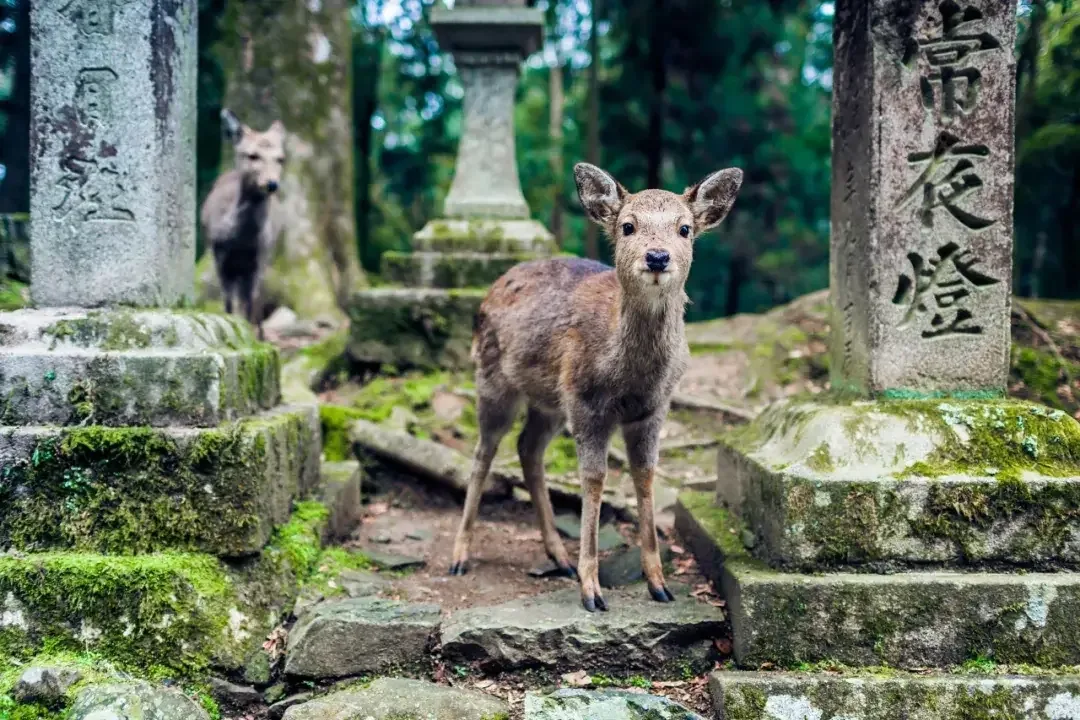
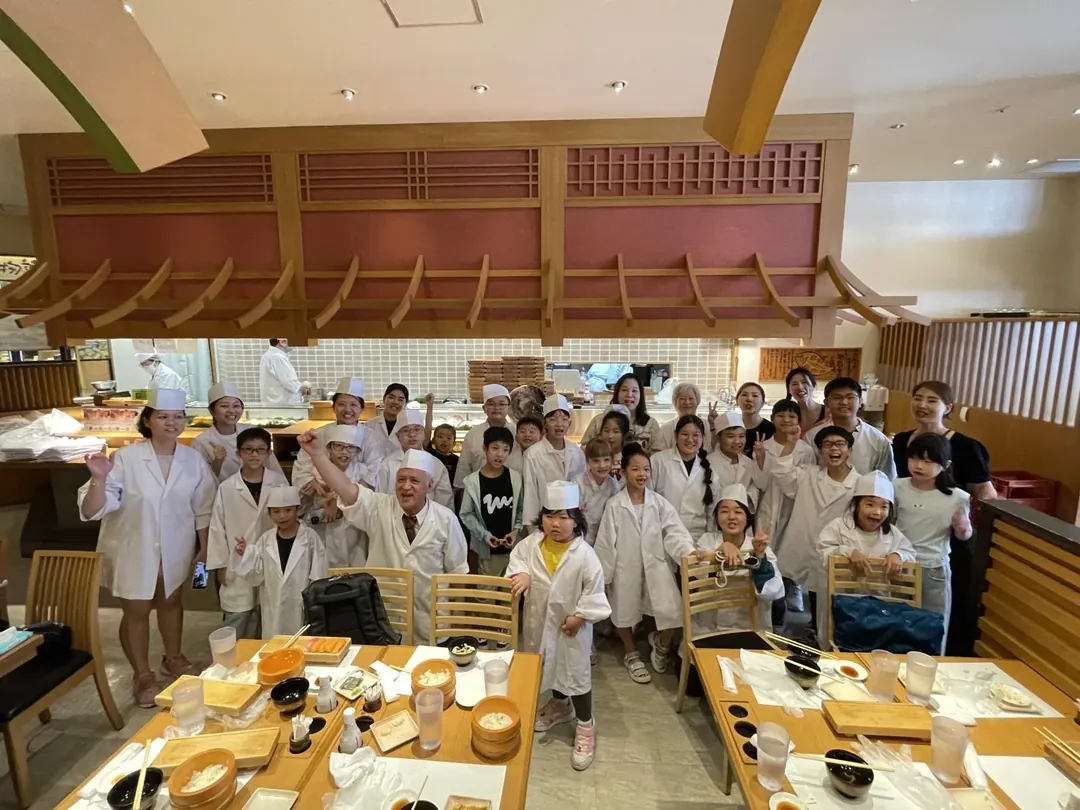
Nara Deer Park helps children understand how the belief that all things have spirit has lived for more than a thousand years. Sushi making brings the beauty of reduction to the fingertips: how to present the essence of ingredients with the fewest gestures.
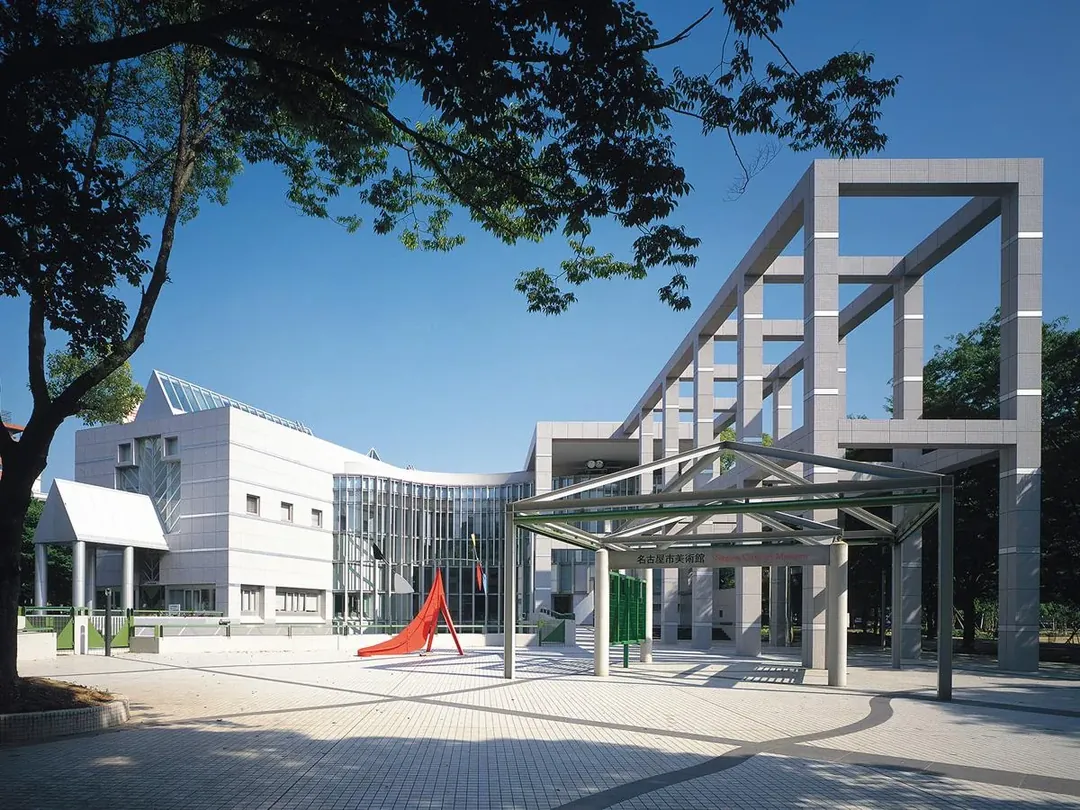
The Nagoya City Art Museum, designed by Kisho Kurokawa, folds traditional architectural ideas into modern geometry. Between building and artwork, students notice how space shapes looking, and how art crosses borders.
Day 4 · Shiga and Lake Biwa
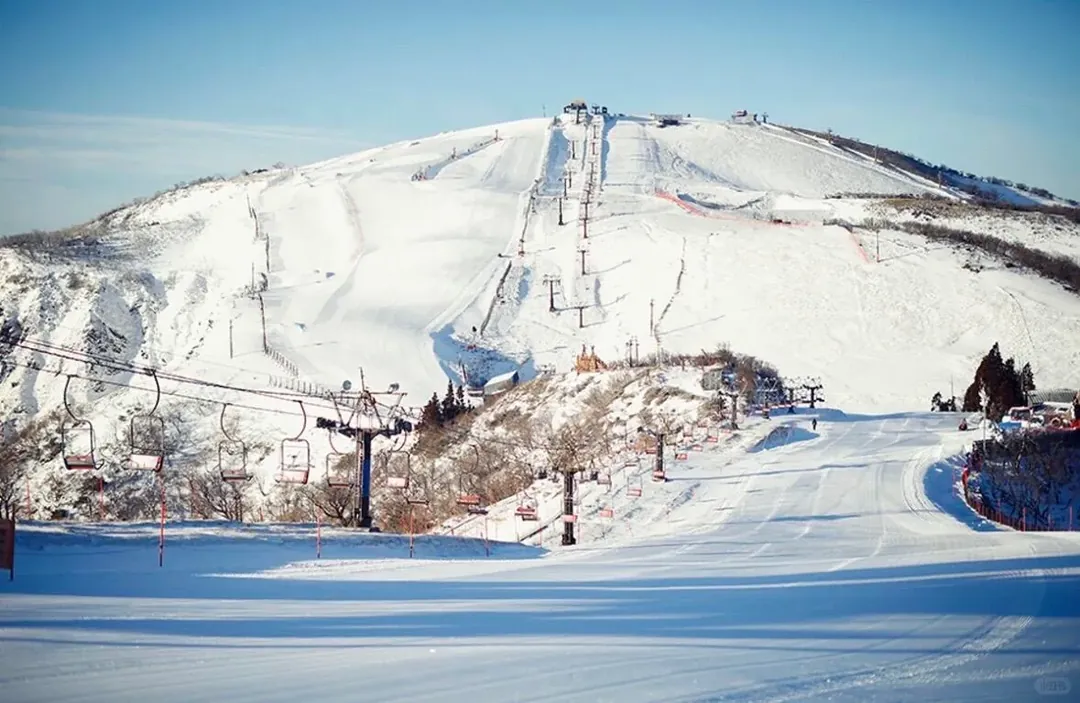
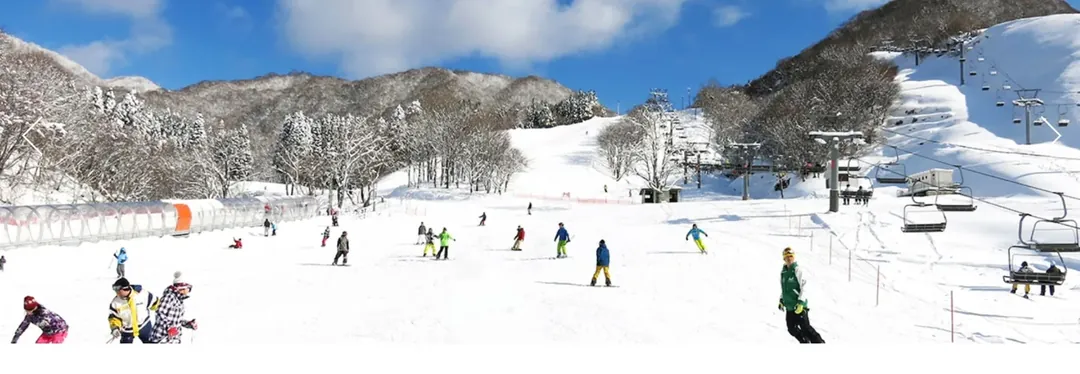
The snow field sits near Lake Biwa, Japan’s largest lake: the water like a silver mirror, the snow like white silk. From the ropeway, students look down over the winter landscape while mentors guide them to observe light on snow, the curve of ridgelines and shifts between warm and cool color.
This day is not about conquering speed; it is about letting the body enter the landscape.
Day 5–6 · Osaka
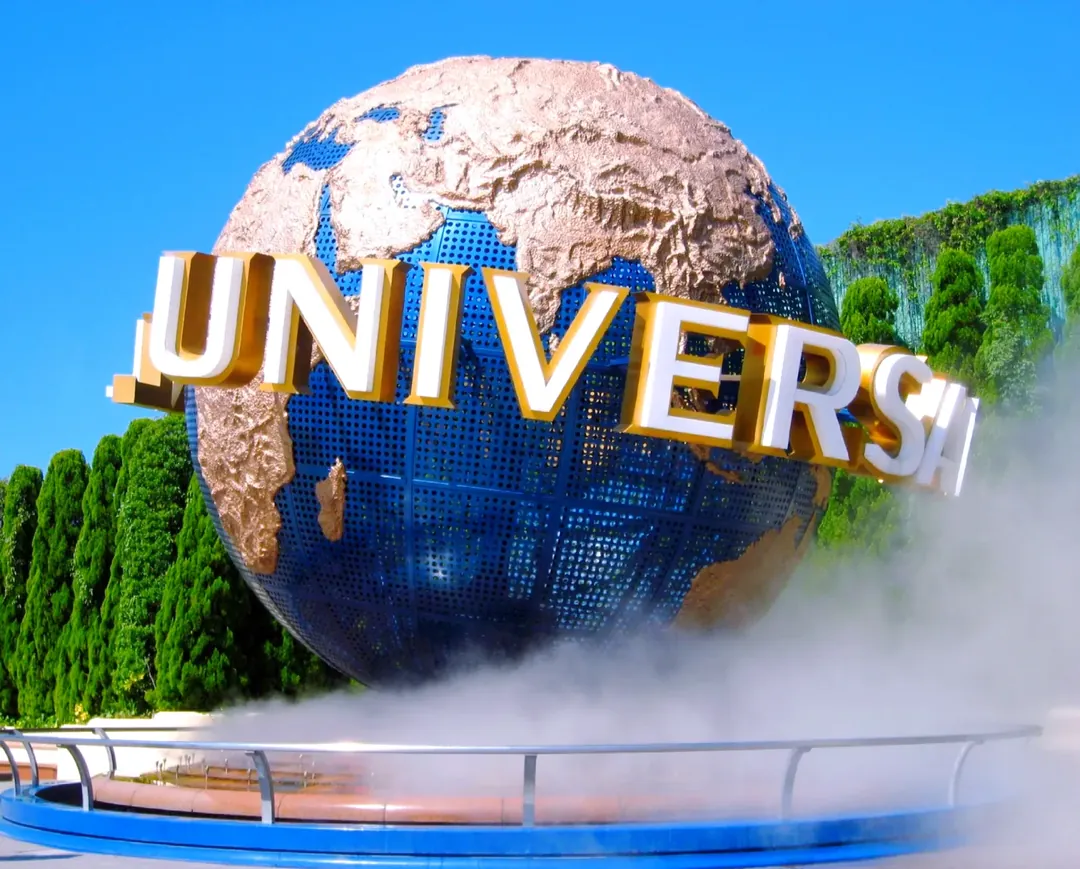
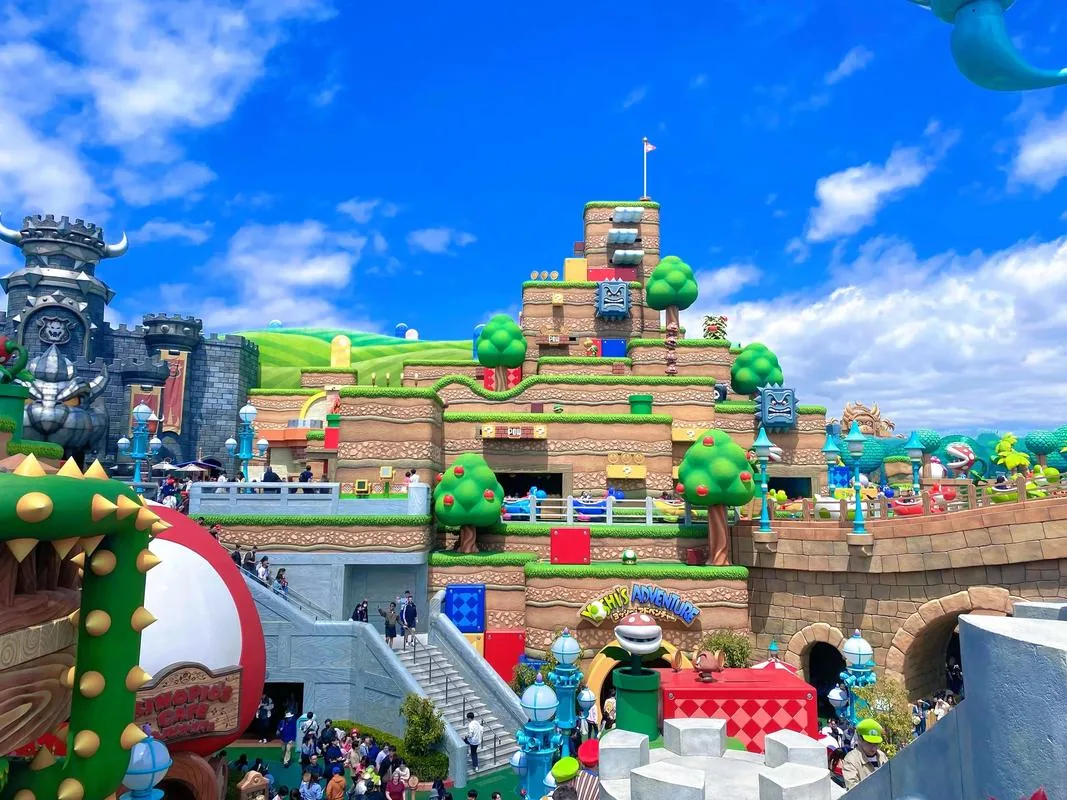
Universal Studios Japan is not just a theme park day. We guide children to look as designers: how color builds joy, how character design carries emotion, and how parades become moving installation art.
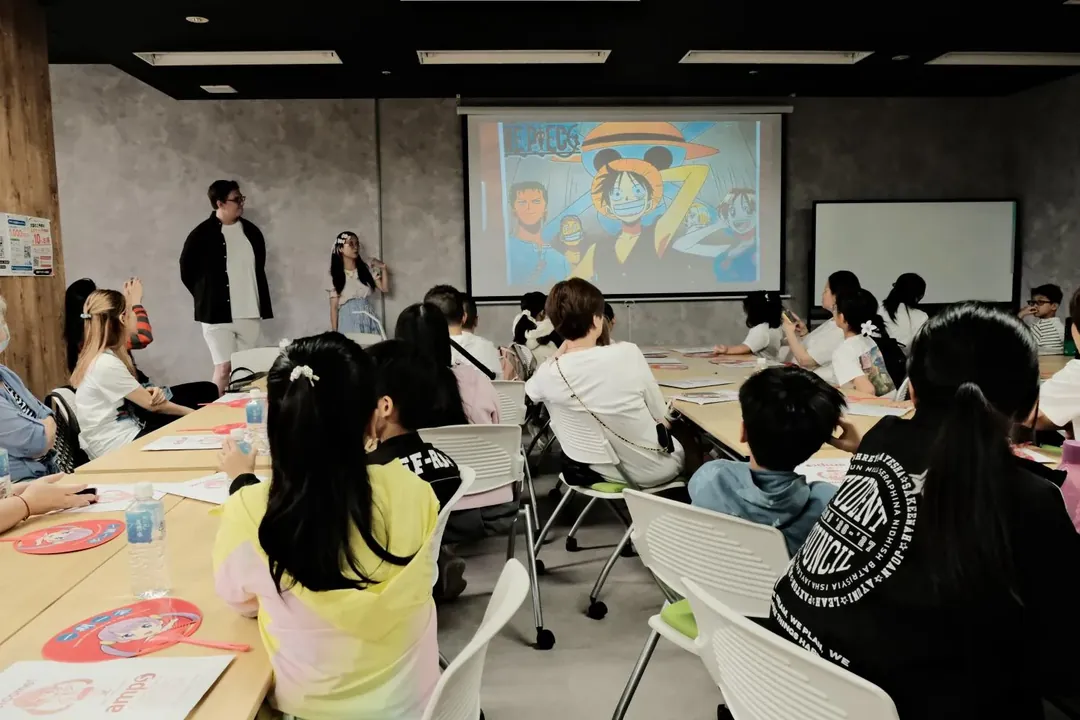
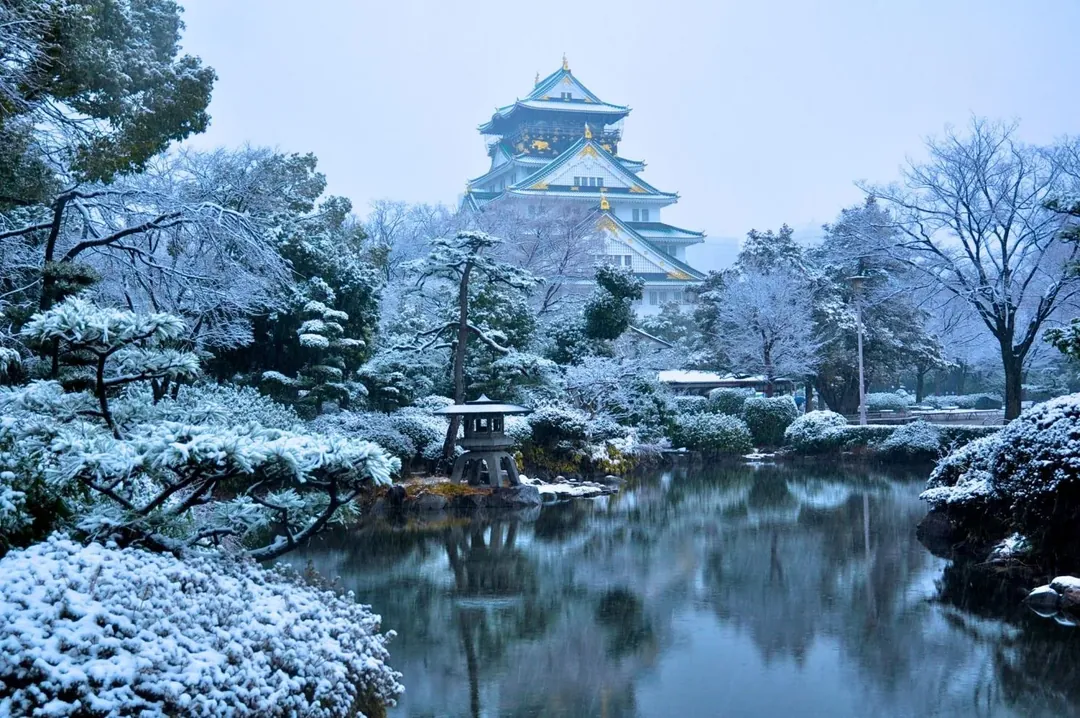
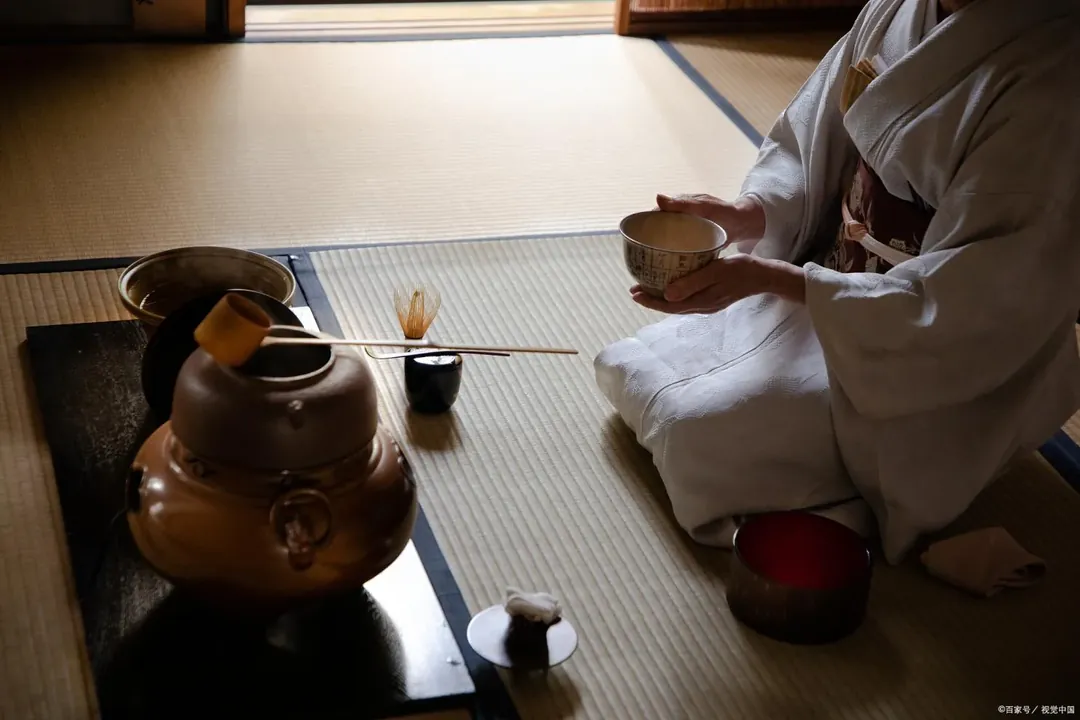
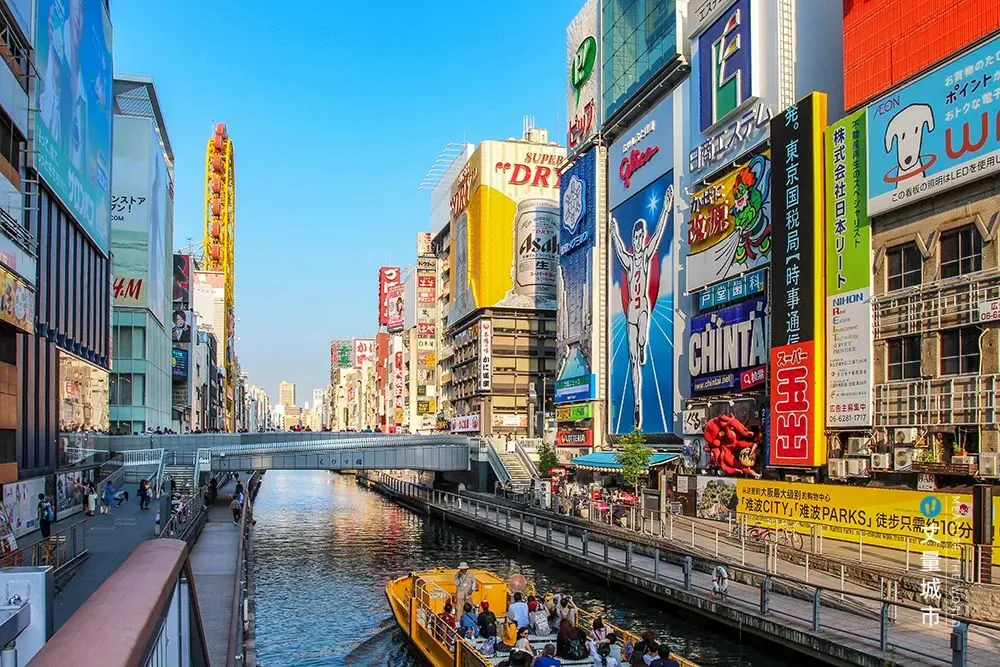
Students then enter a professional manga school in Osaka, where a manga artist or active animator leads them from line rhythm to character shaping and helps them complete an original work. Osaka Castle, tea ceremony and a Shinsaibashi walk connect history, Zen and everyday street life into one wider line of observation.
Day 7 · Return
After breakfast, we hold a small sharing session. Students present their washi work, manga character design, sushi certificate and pages of observation notes. This hand-recorded Kansai aesthetics journal may become more precious than any photo.
Book online in about ten minutes; the place is held while you pay.
At most 20 travellers per departure
Parents travel too. Please contact us for accompanying adult pricing. Room types and single supplements are listed under what is included and not included.
Every public departure of this programme, with what you can do about each.
Recaps, previews and guides written about this programme.
More departures open for enrolment.

Explore how technology changes everyday life through company visits, hands-on experiments, programming challenges and teamwork across new energy, AI, life sciences, BeiDou, robotics and VR.
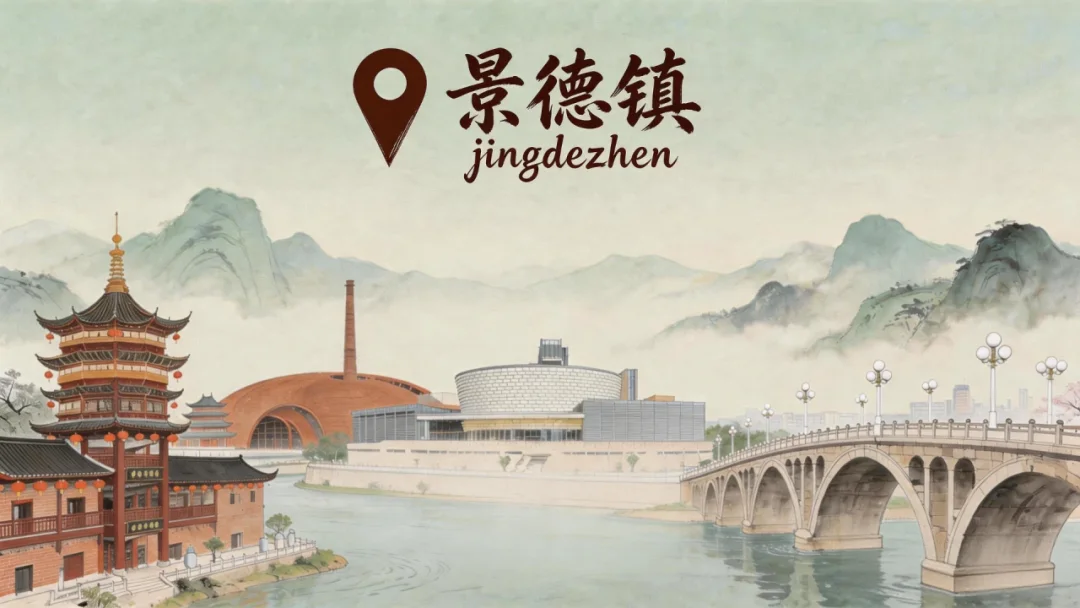
Jingdezhen and Huizhou: one city for porcelain and one region for villages and crafts, explored through hands-on ceramics, architecture, ink, brush making and living traditions.
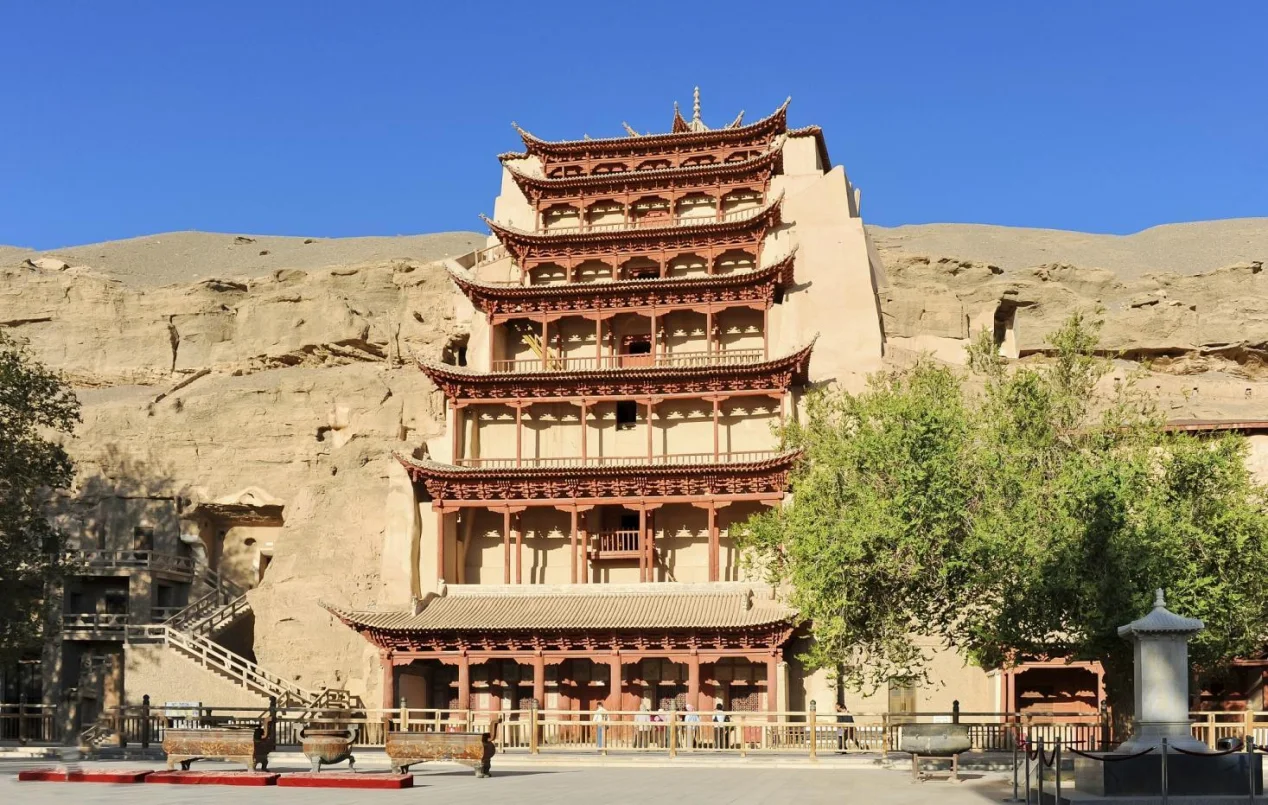
Trace Dunhuang mural-making from Gobi earth and mineral pigments to a finished hand-painted clay-panel artwork.
Every line below is something the system records and can show you.
Tell us your child's age and interests and we will tell you whether this route fits, or which one does.