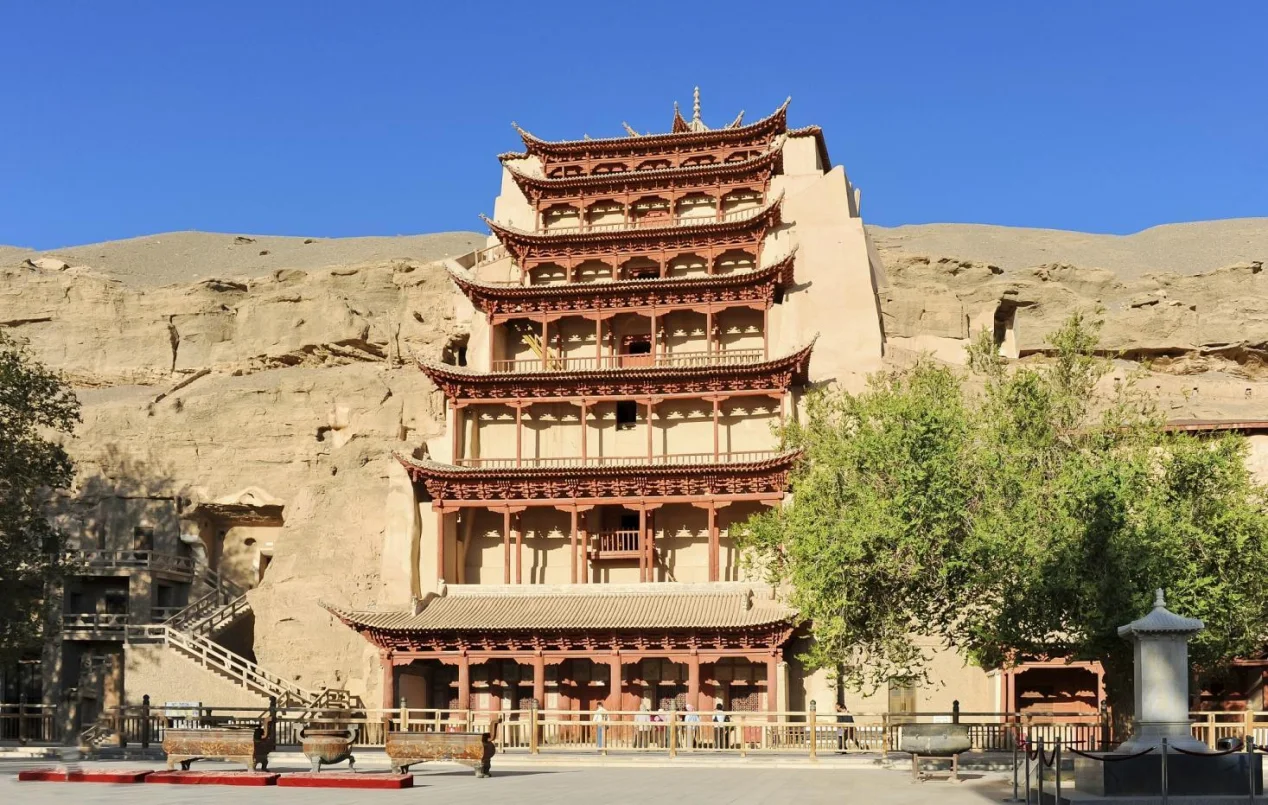
Jingdezhen and Huizhou, one city for porcelain and one region for its villages and crafts.
In Jingdezhen, the porcelain capital, the course is the whole making process: treading clay, wheel throwing, blue-and-white painting, glazing by blowing, dipping and swirling, and a pit firing.
In Huizhou, among villages of white walls and dark tiled roofs: a village quest in Xixinan, a 1:3 model of Lurao Pavilion, and an inkstick, an inkstone, a Huizhou brush and a Huimo Su pastry made by hand.
Every child goes home with six ceramic pieces and four Huizhou creations of their own; the list is at the end of this page.
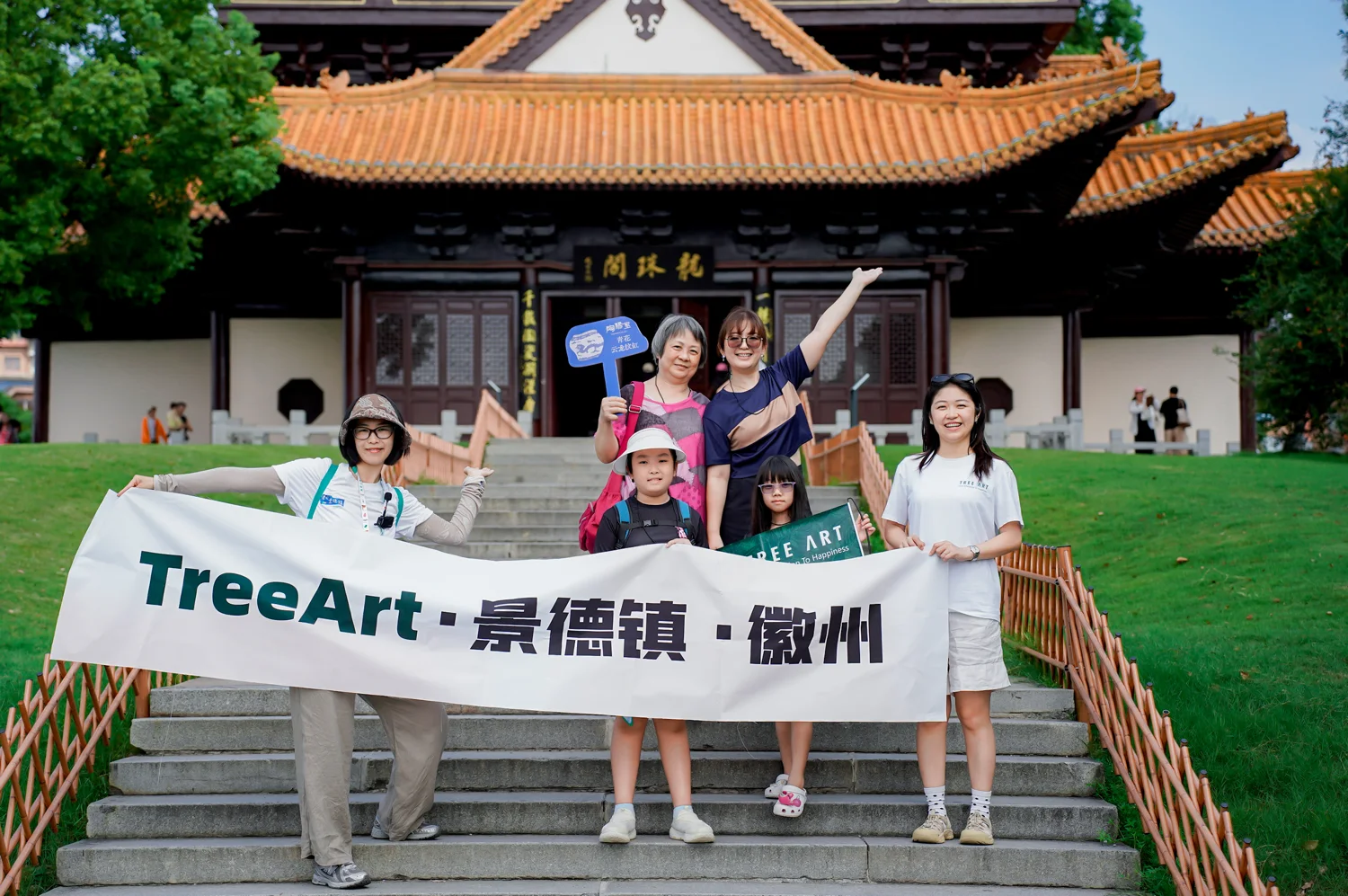
Why Jingdezhen & Huizhou?
Jingdezhen
A thousand-year porcelain capital: explore China's largest ceramics museum and the streets and lanes of the world's porcelain capital.
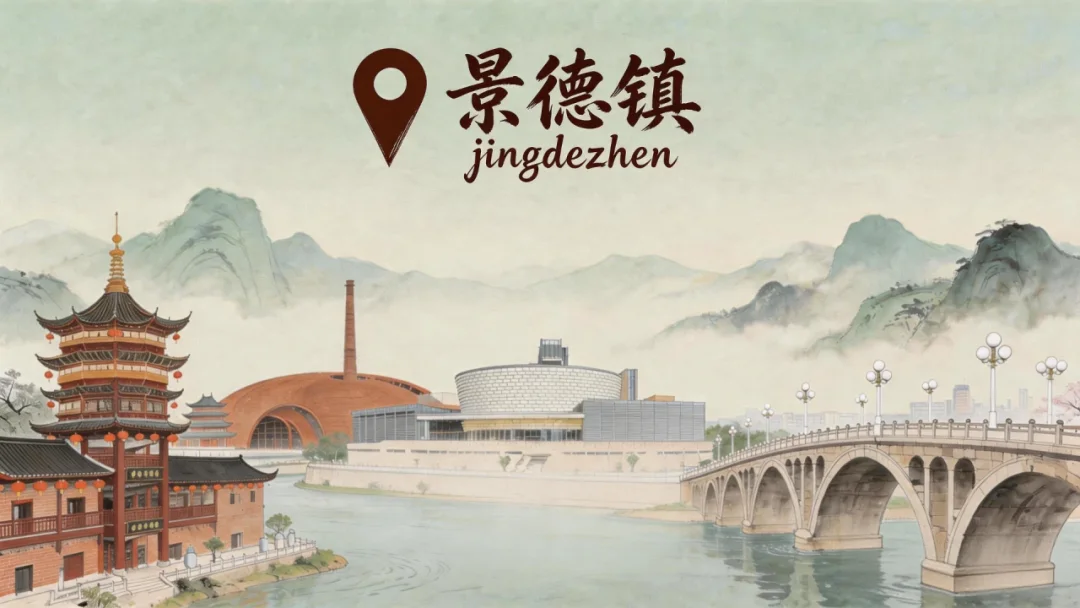
A rich cultural encounter: go beyond playing with clay to explore the full process of painting, making and firing porcelain, combining serious learning with hands-on enjoyment. Meet experienced craftspeople and intangible cultural heritage practitioners, and discover the depth of traditional decorative arts.
Huizhou
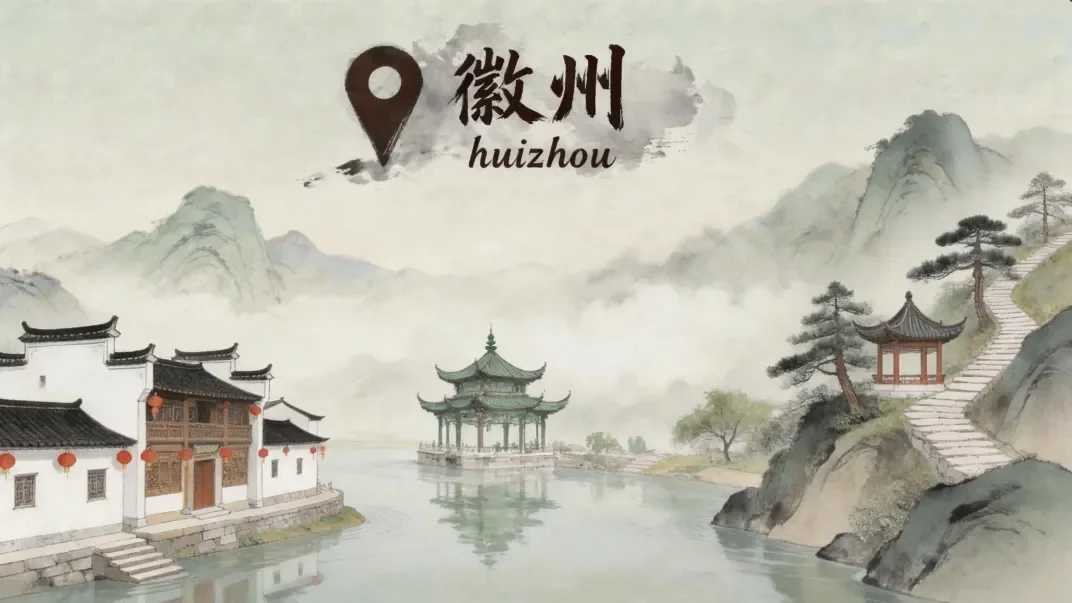
A historic cultural heartland: one of China's three major regional cultural traditions, with a broad, profound and interconnected heritage.
Close to nature: a thousand-year-old village sheltered by Chinese wingnut groves, surrounded by shade and streams, like a natural ecological garden.
Living traditions: meet experienced craftspeople and intangible cultural heritage practitioners, and discover the depth of traditional arts and crafts.
A remarkable legacy: Huizhou woodblock prints, opera, architecture, cuisine, brushes, ink and She inkstones have flourished through history, each expressing the distinctive character of this region.
Three Core Highlights
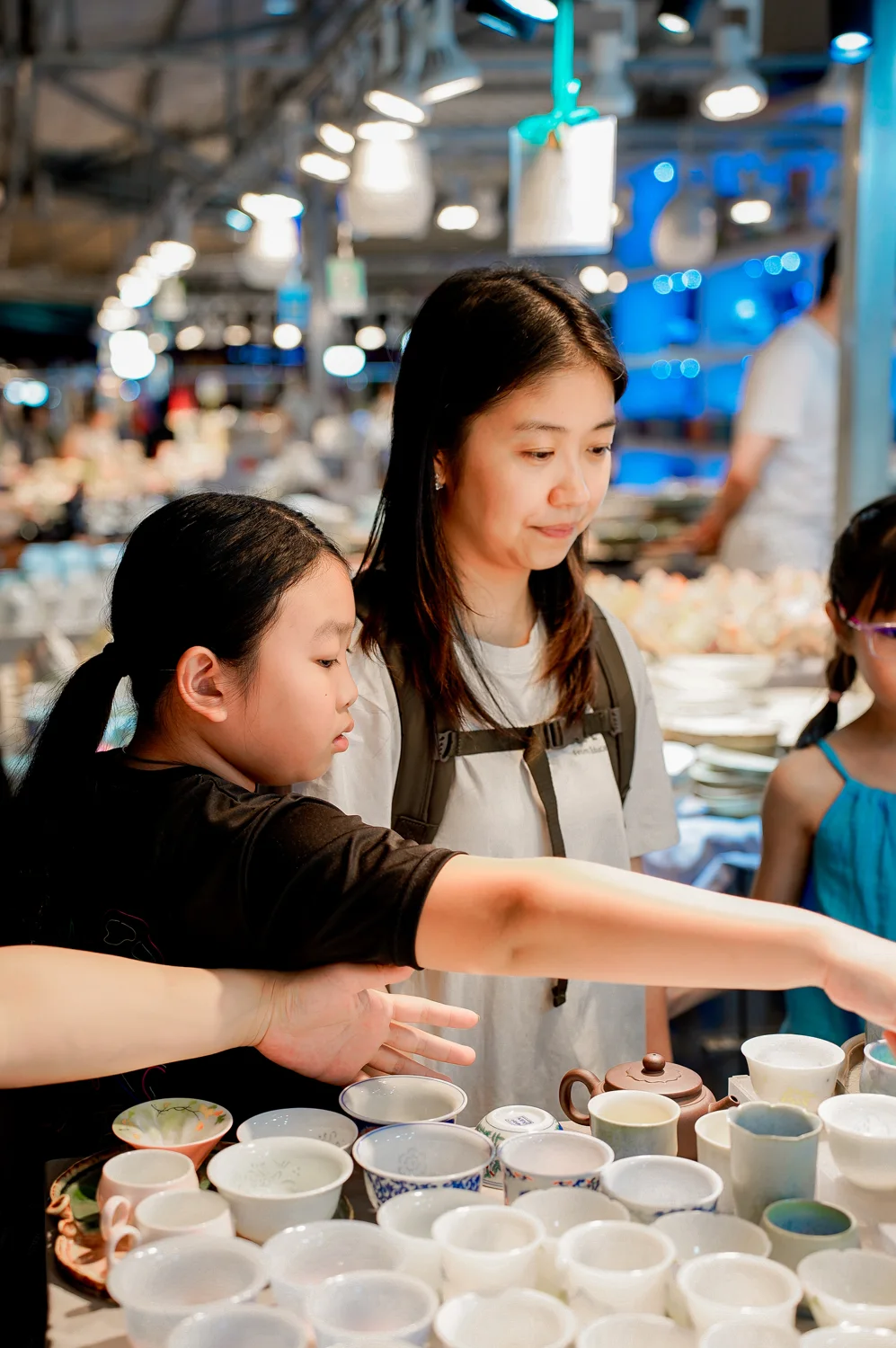
01A Distinctive Learning Programme
Our Jingdezhen and Huizhou route offers an immersive encounter with local intangible cultural heritage.
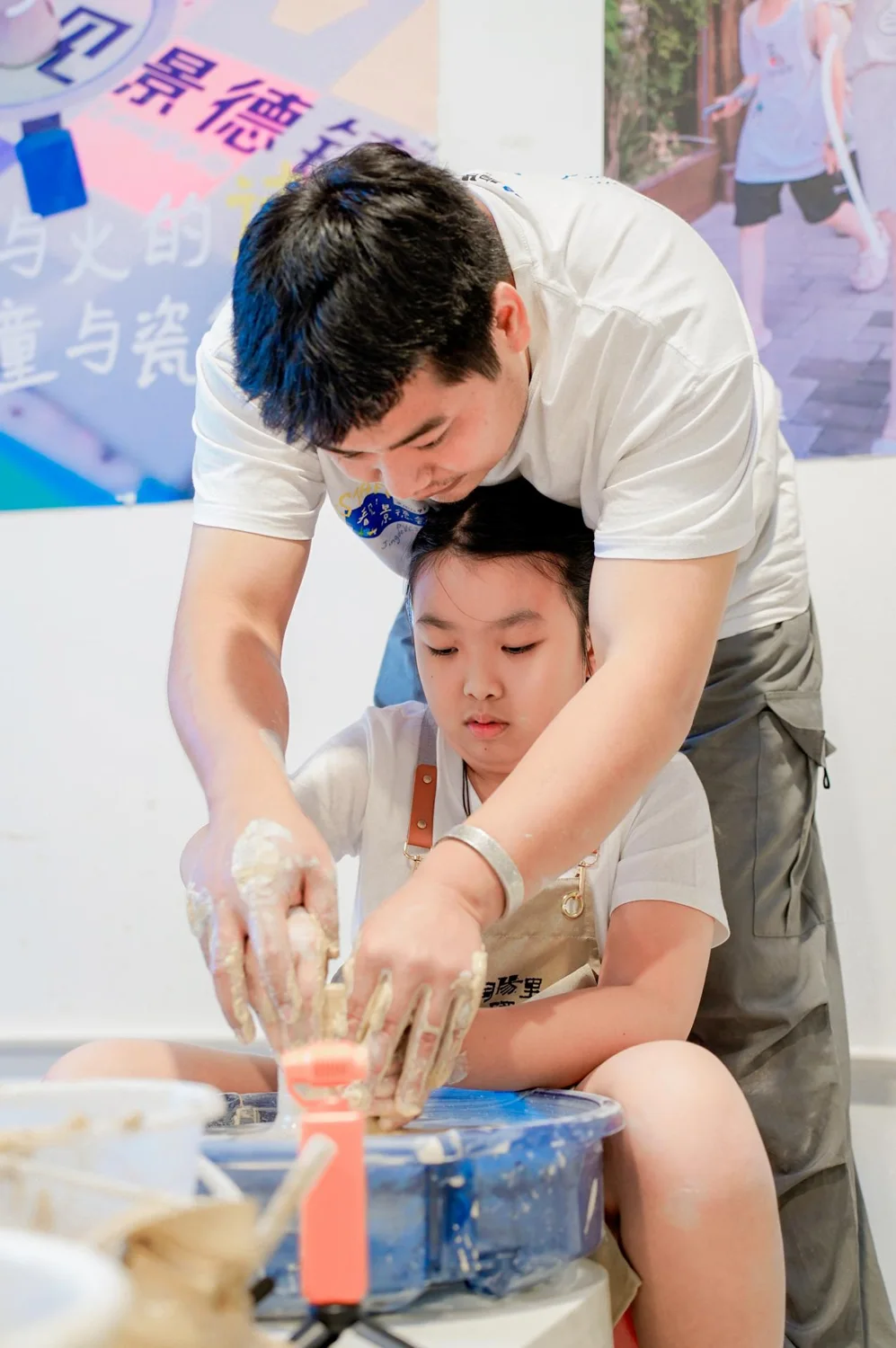
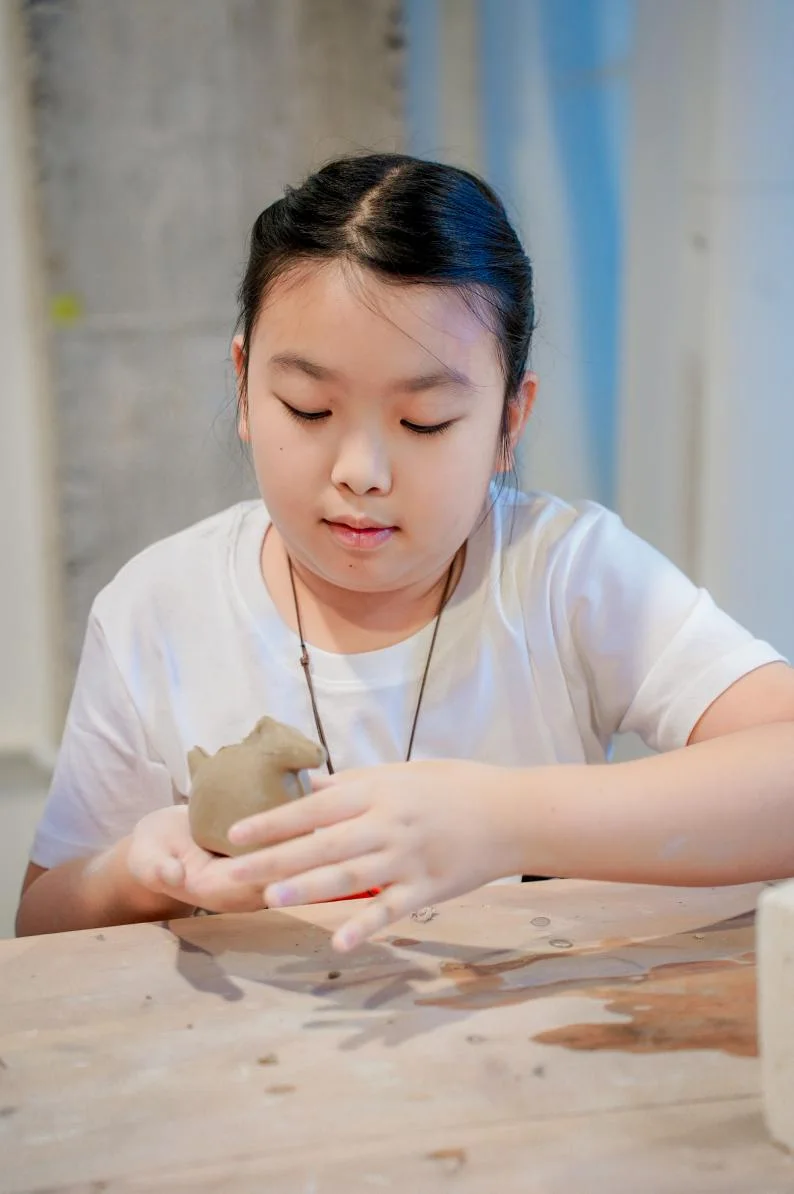
Exclusive courses developed by our team include clay treading, glaze blowing, ceramic jewellery, blue-and-white ceramic materials and hand modelling.
02An Entire City as a Ceramics School
Surrounded by the city's artistic atmosphere, we trace the development of ceramics from their origins to the present, then experience making a finished ceramic piece ourselves.
03Everyday Life Across the Centuries
Activities grow out of local life: visiting markets, exploring ceramic exhibitions and meeting artists in their studios. Experience the city differently and form your own understanding of the thousand-year porcelain capital.
The Itinerary
Day 1First Encounters with the Porcelain Capital
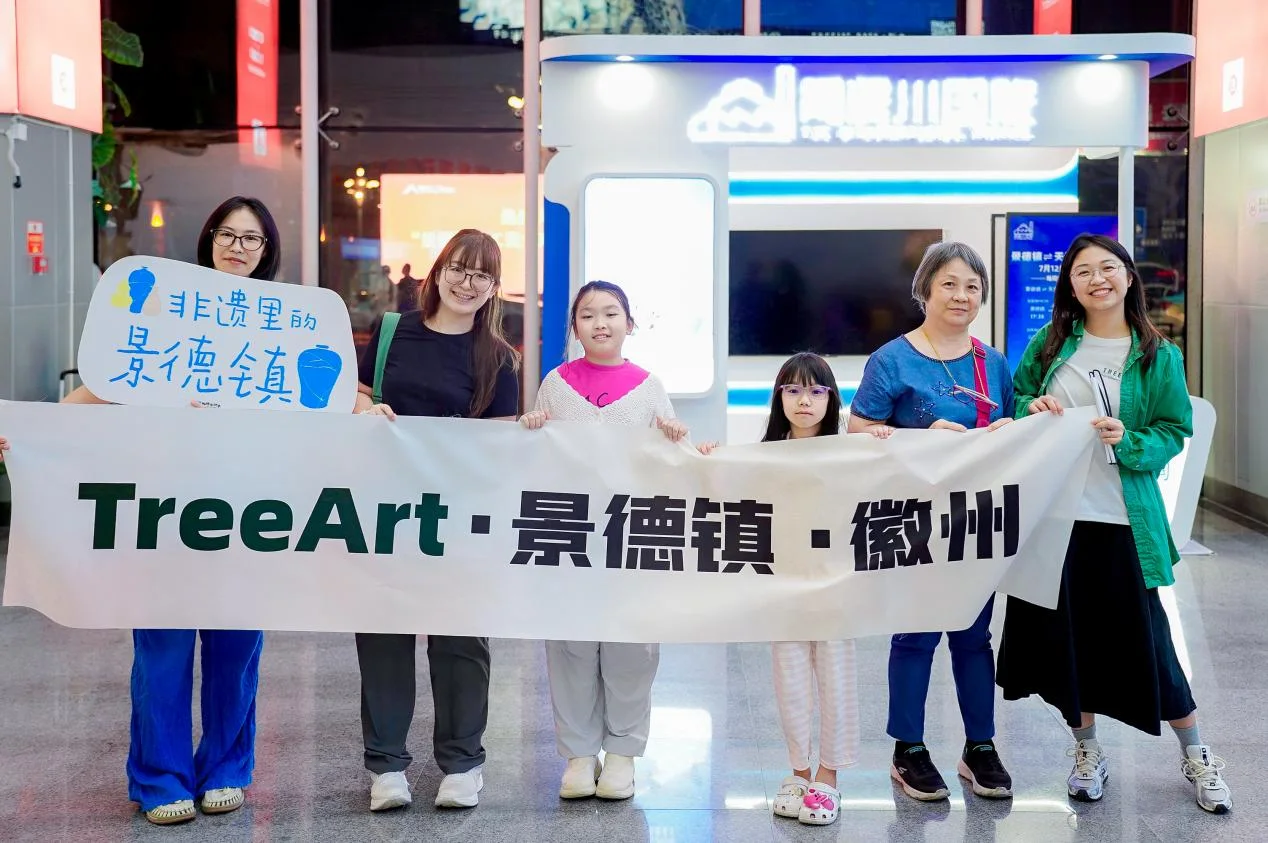
Evening: a wonderful meeting unfolds in the thousand-year porcelain capital. Children introduce themselves, make new friends and receive their new study tour kits. Living and learning together, they begin a shared adventure of exploration and discovery.
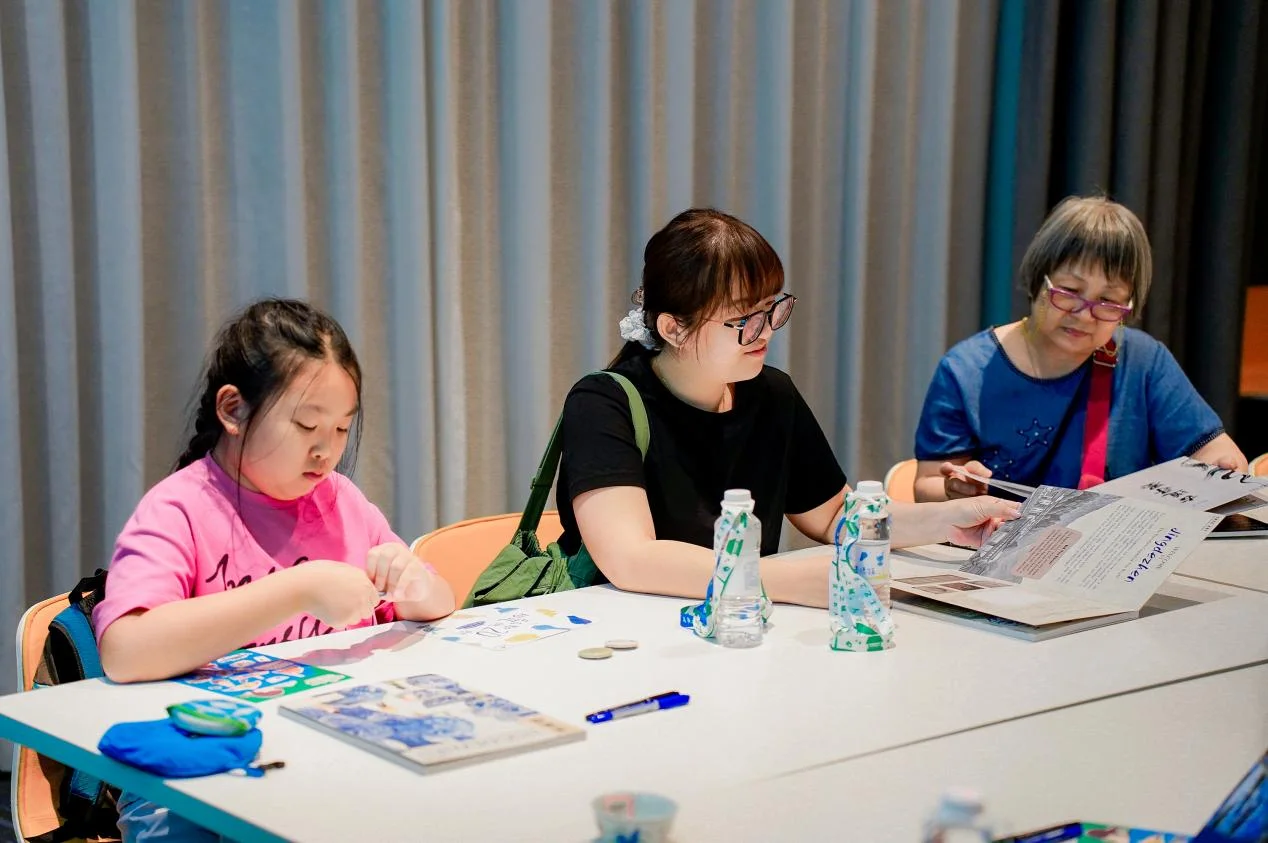
Day 2Imperial Kilns and Handmade Creations
Morning: enter the Imperial Kiln Museum, on the site of the Imperial Kiln Factory. Dedicated to producing porcelain for the royal court, it is described as the world's largest, longest-operating and most historic institution of its kind, known for its exceptional artistic standards.
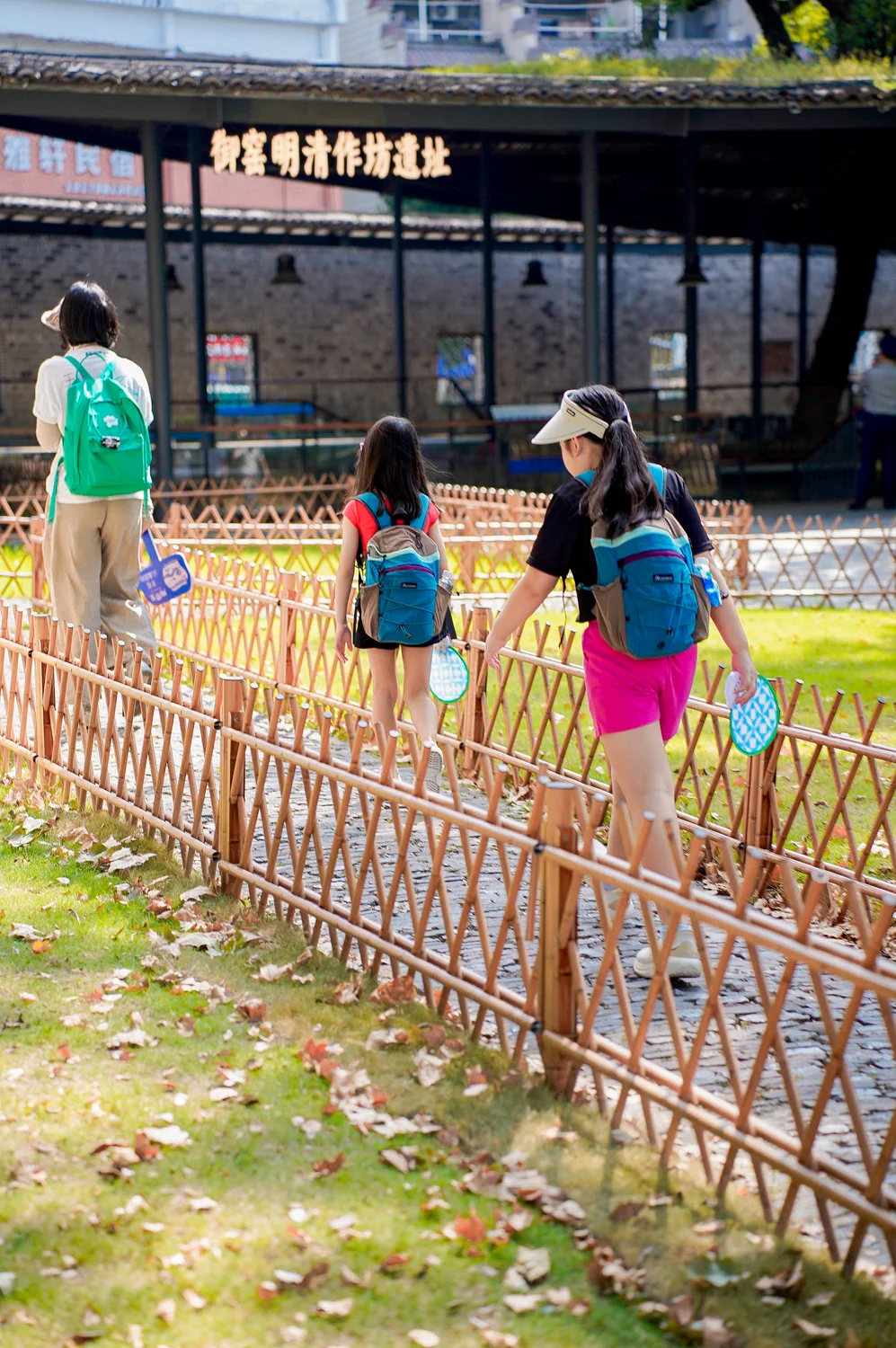
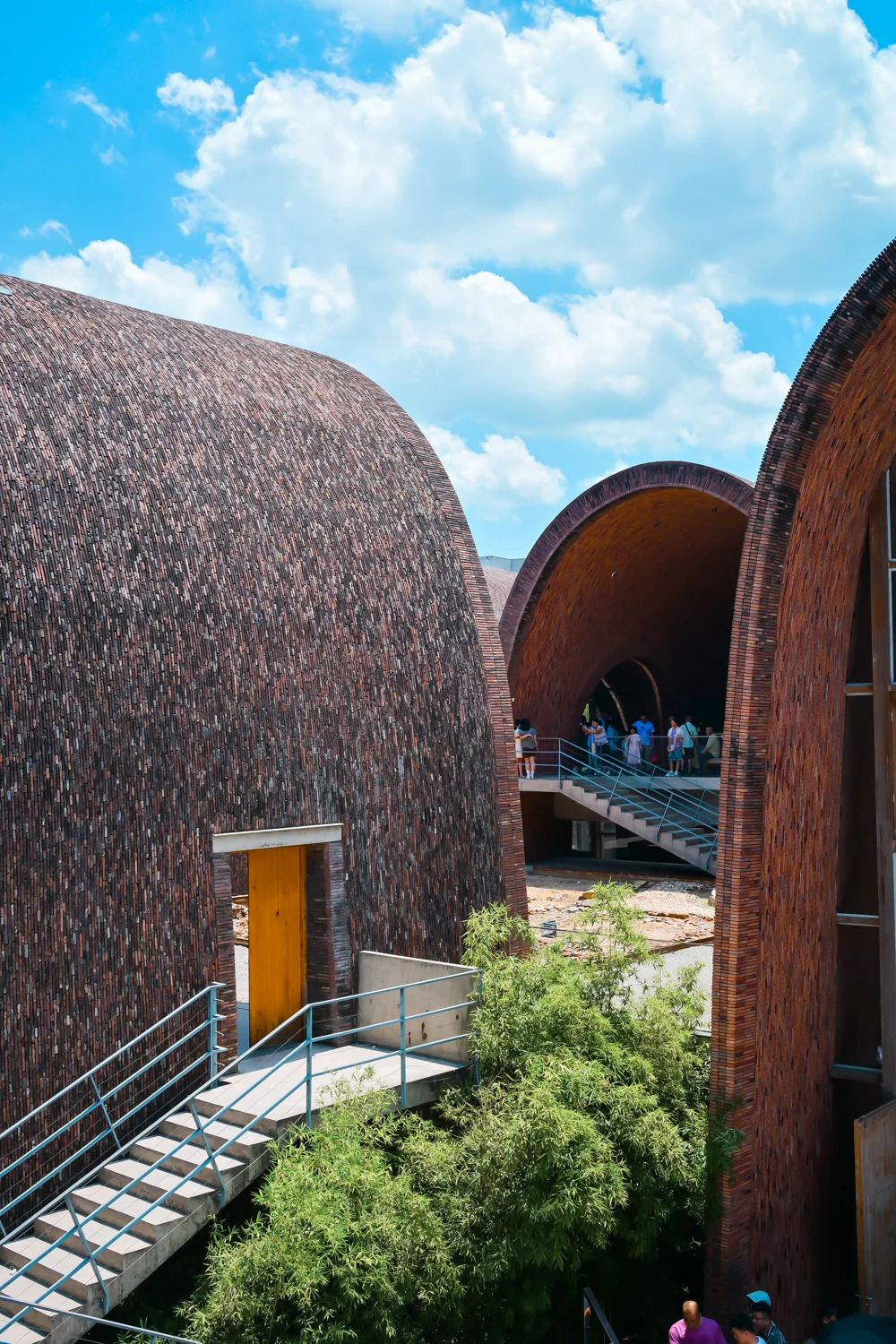
The museum itself is a work of art: red-brick vaults and sunken courtyards, recognised with an award described as an “Oscar of architecture”.
Inside are restored imperial porcelain pieces and countless fragments. Listen to the guide explain how porcelain was made for emperors. The cracks and repairs can be even more moving than an intact vessel.
TREE ART Blue-and-White Painting · The Secret of Sumali Cobalt
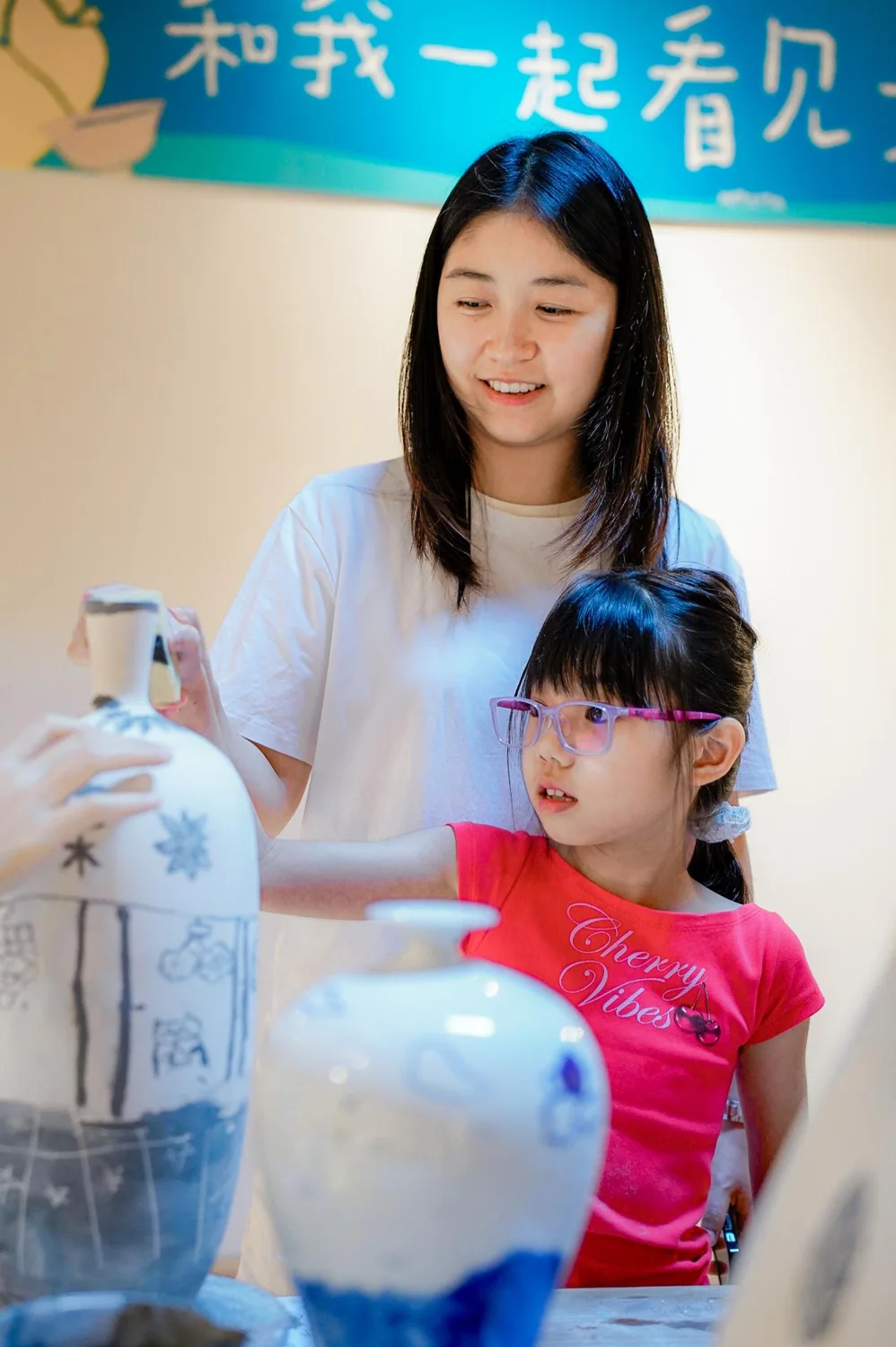
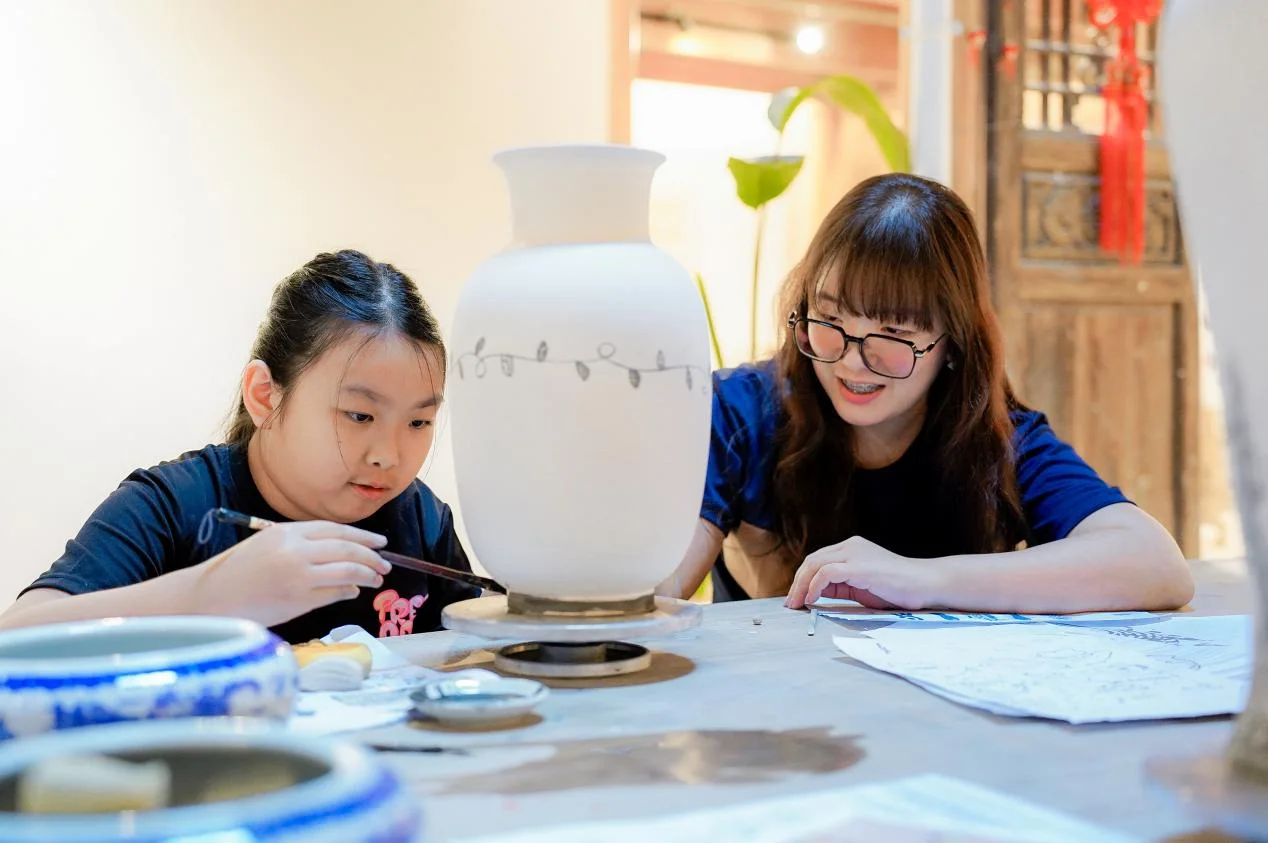
Afternoon: today we swap drawing paper for unglazed ceramic pieces. Using the mysterious Sumali cobalt pigment, children paint a vase or plate one brushstroke at a time. A cloud, a fish, a story: their imagination is free to roam.
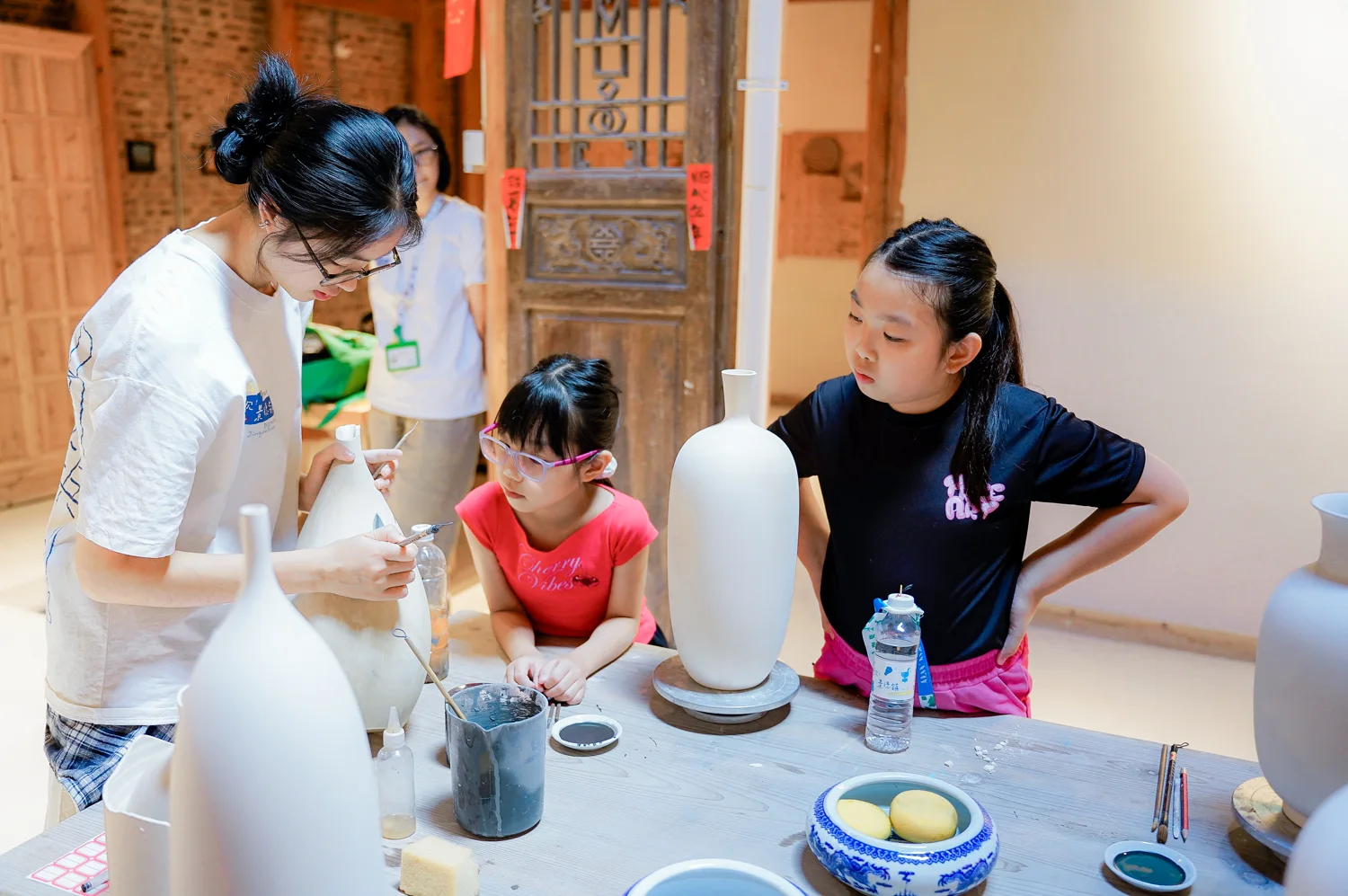
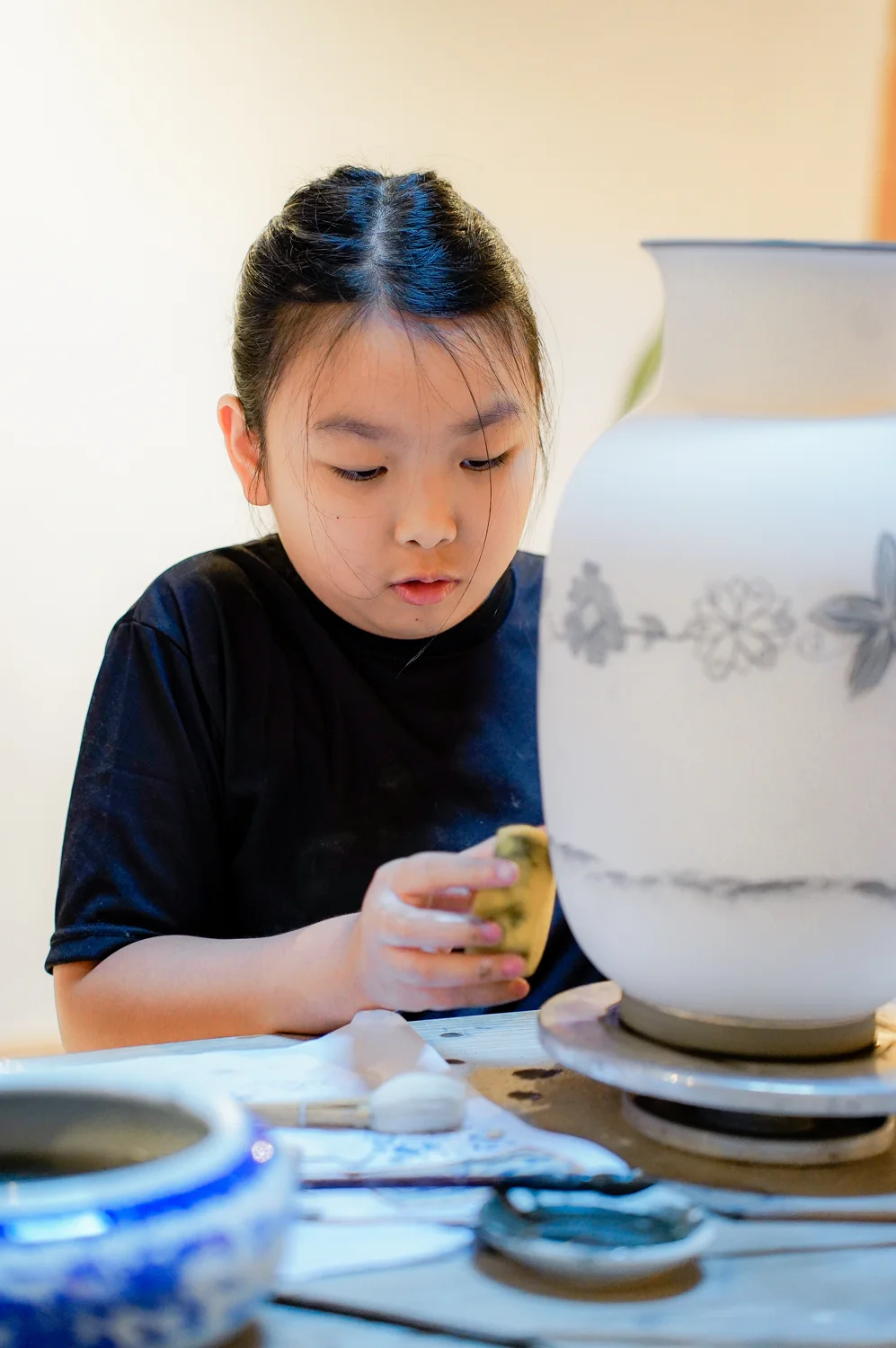
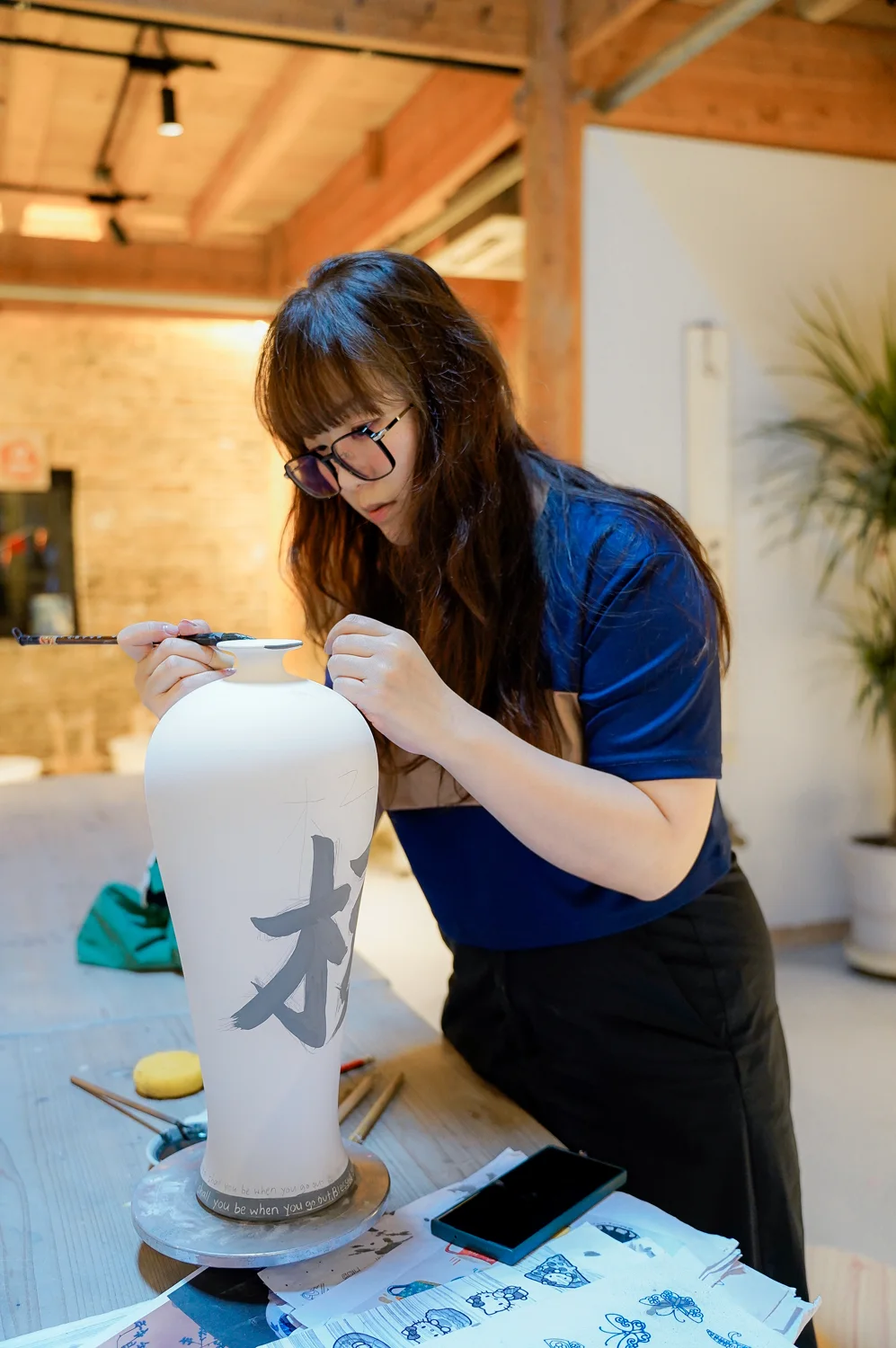
Children and parents each bring their own ideas, working side by side to complete their creations. The results may not be perfect, but this shared time is precious. The pieces are collected for firing and will become treasured souvenirs of the journey.
Evening: explore Taoxichuan after dark. Formerly the Universe Porcelain Factory, one of Jingdezhen's ten major porcelain factories, it has been transformed through the preservation and reuse of its industrial heritage. Ceramics remain its enduring theme as old workshops become creative studios and galleries.
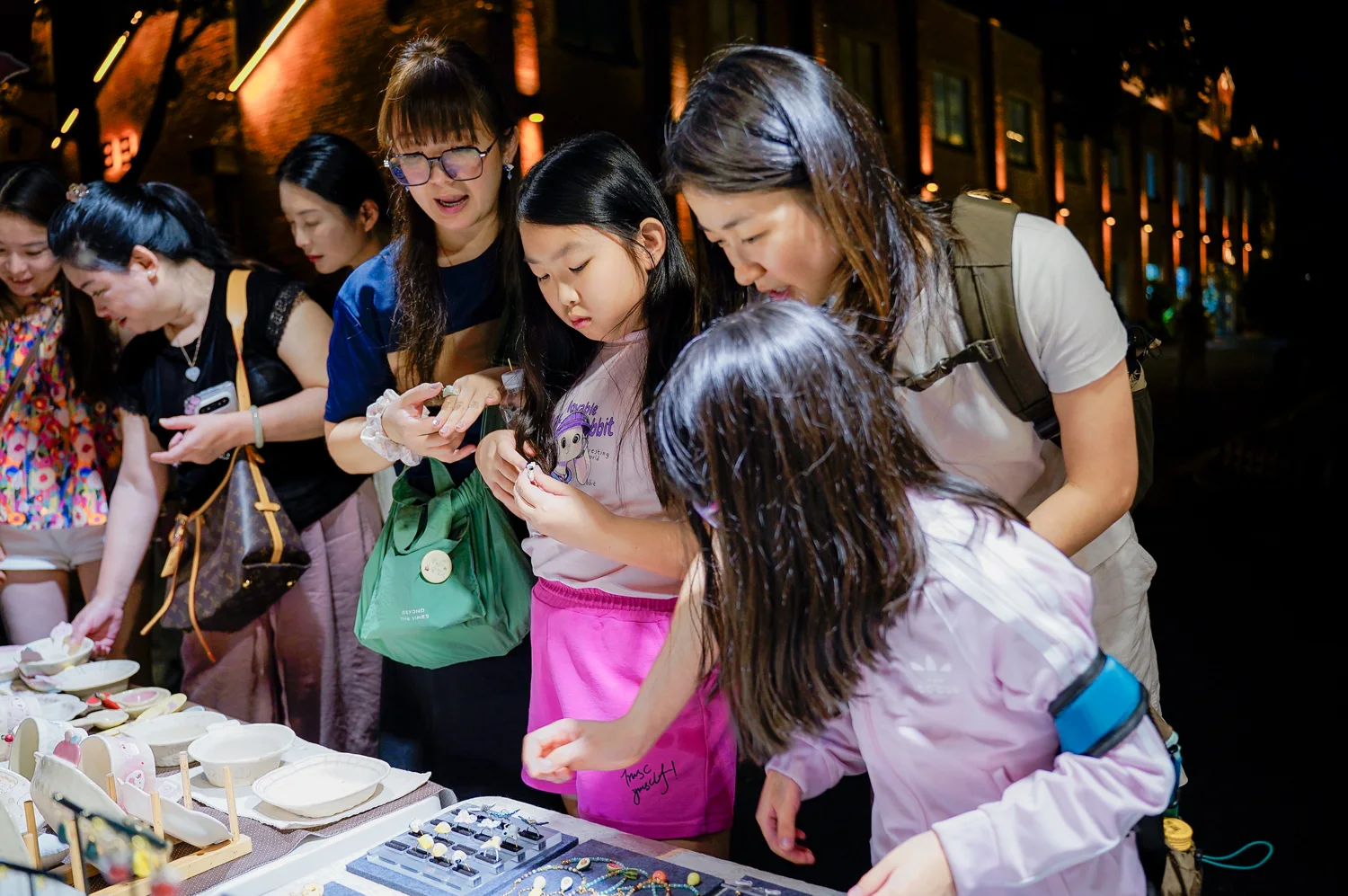
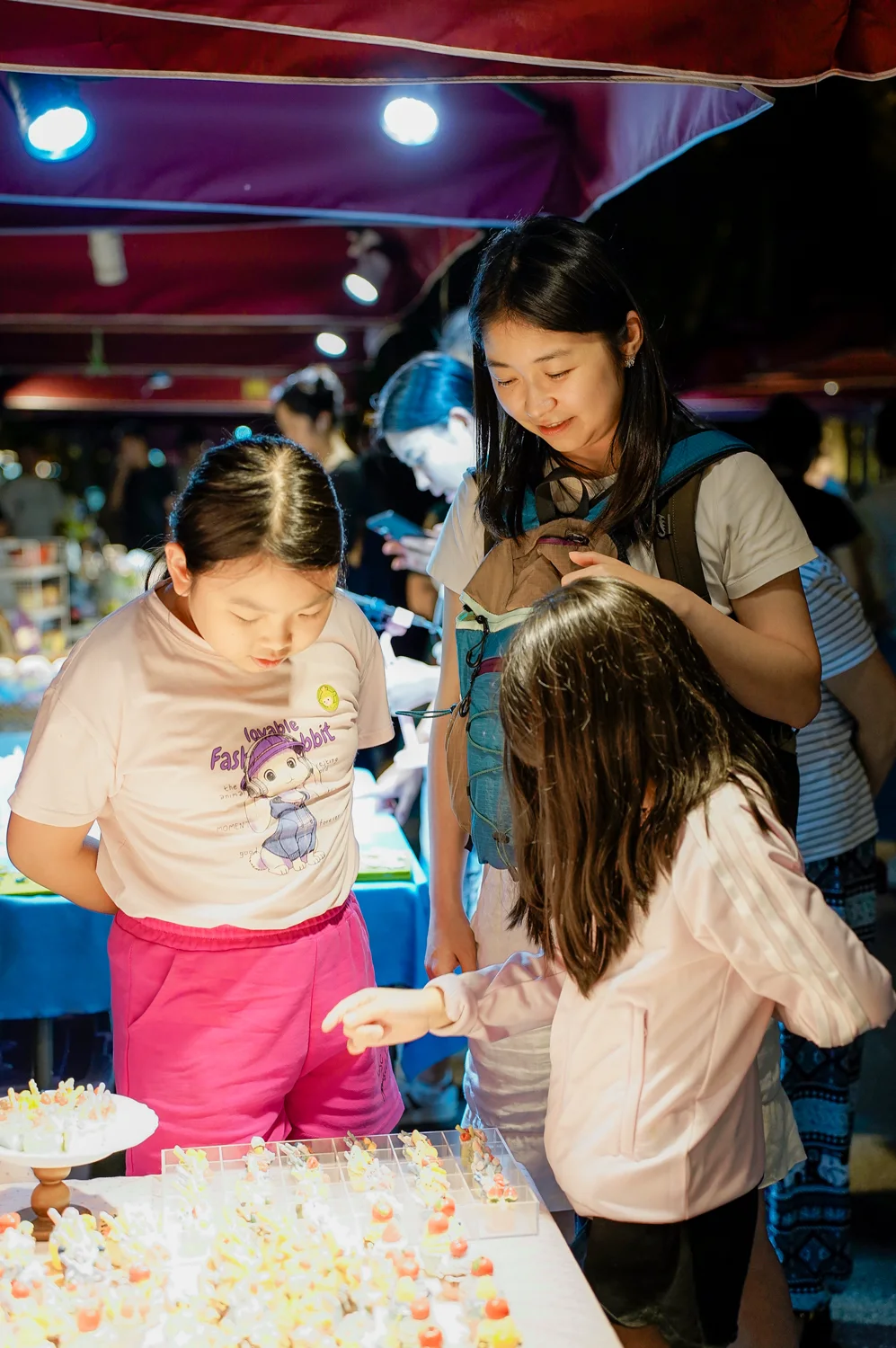
Day 3A Thousand Years of Porcelain, Traditional Skills
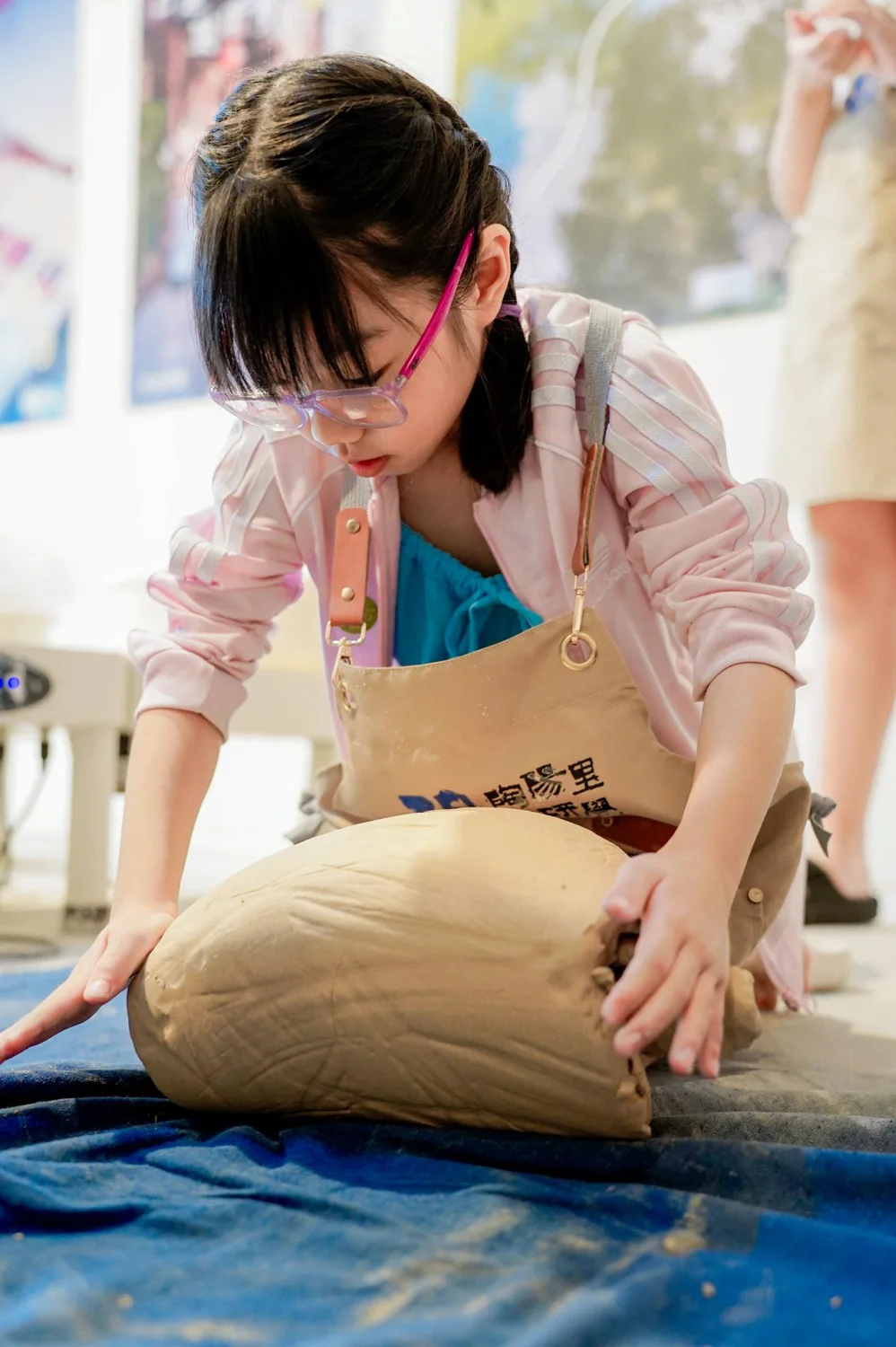
Morning: children get close to the earth. Playing with clay seems to come naturally; life itself becomes a lesson as they tread it with bare feet and feel its texture and temperature.
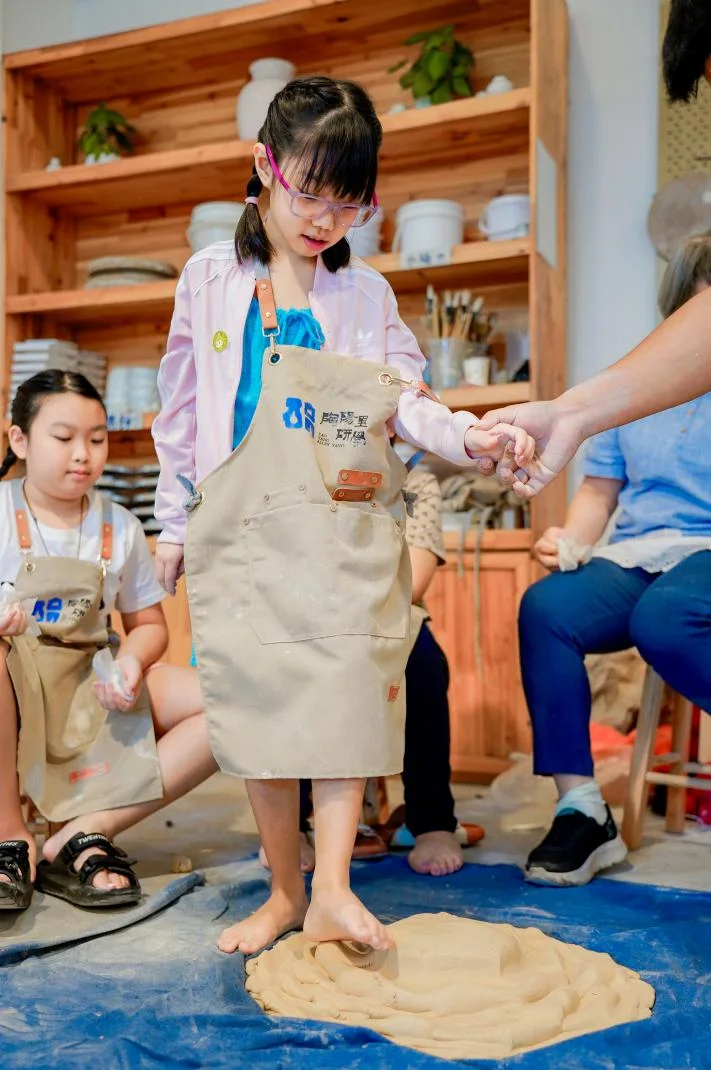
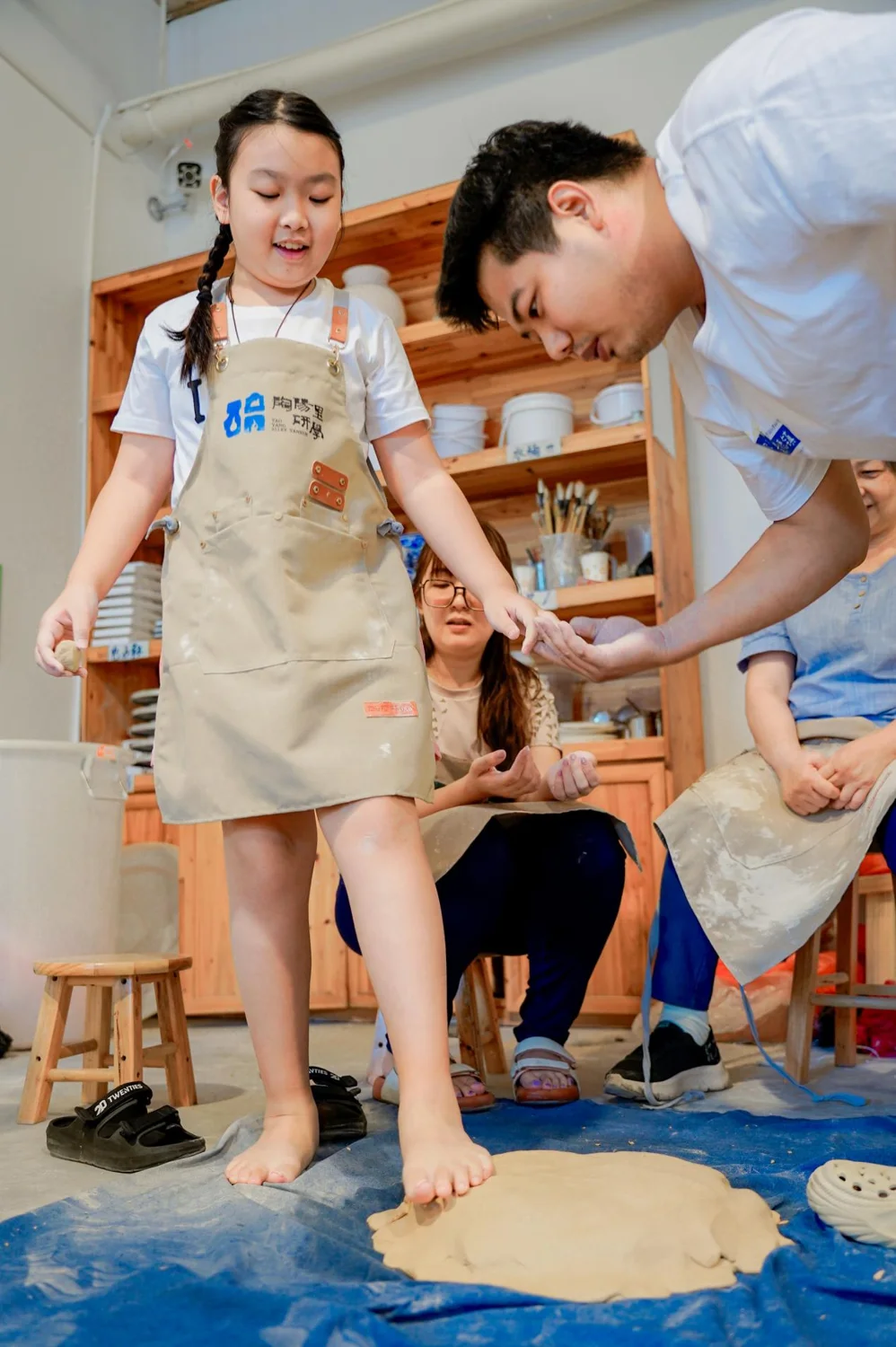
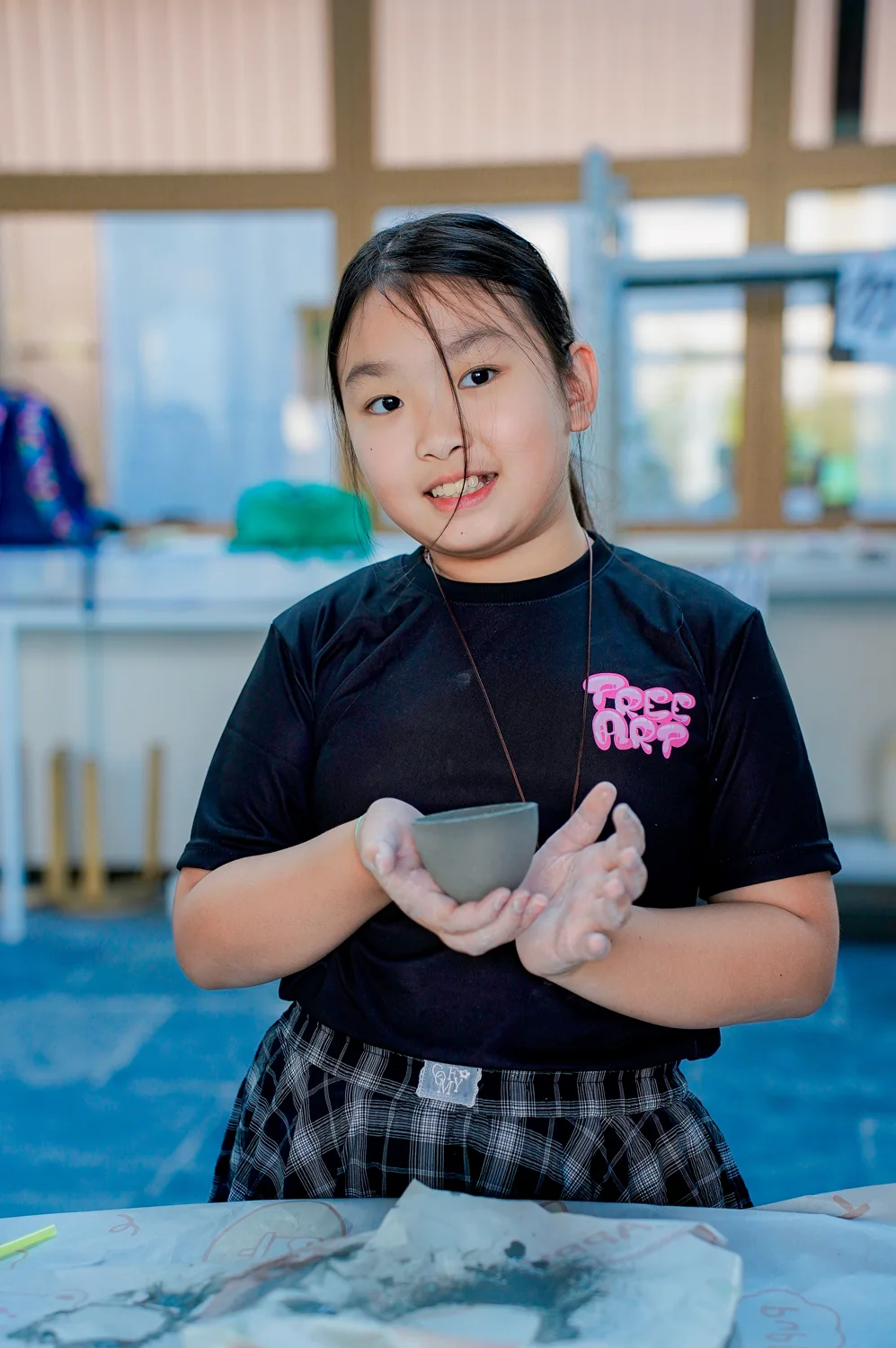
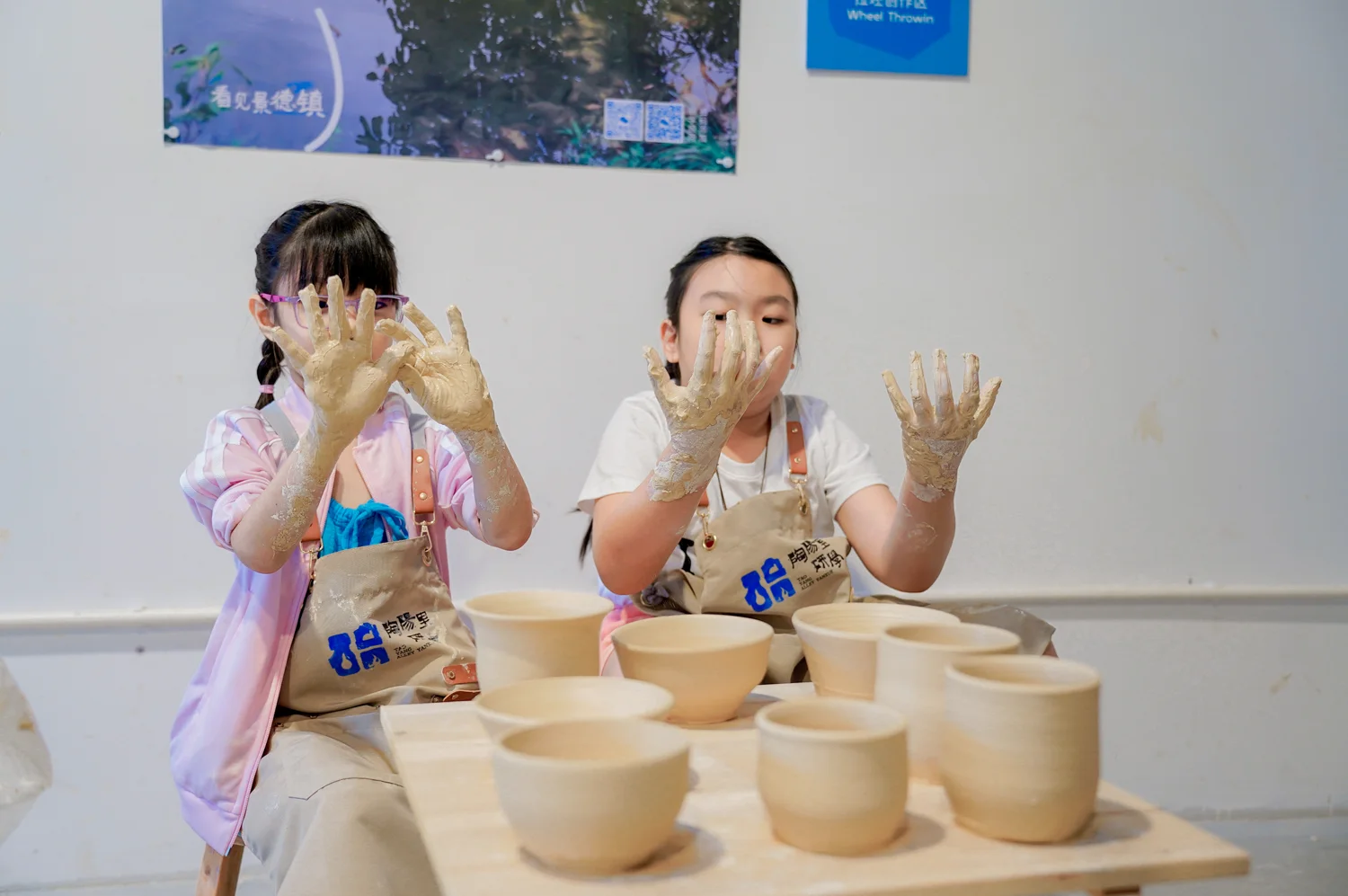
Knowledge begins in everyday experience. What happens when earth meets water? Learn traditional ceramic forming techniques, make a cup and a bowl, and discover a surprise clay activity waiting for you.
TREE ART Ceramic Forming · Giving Clay a New Shape
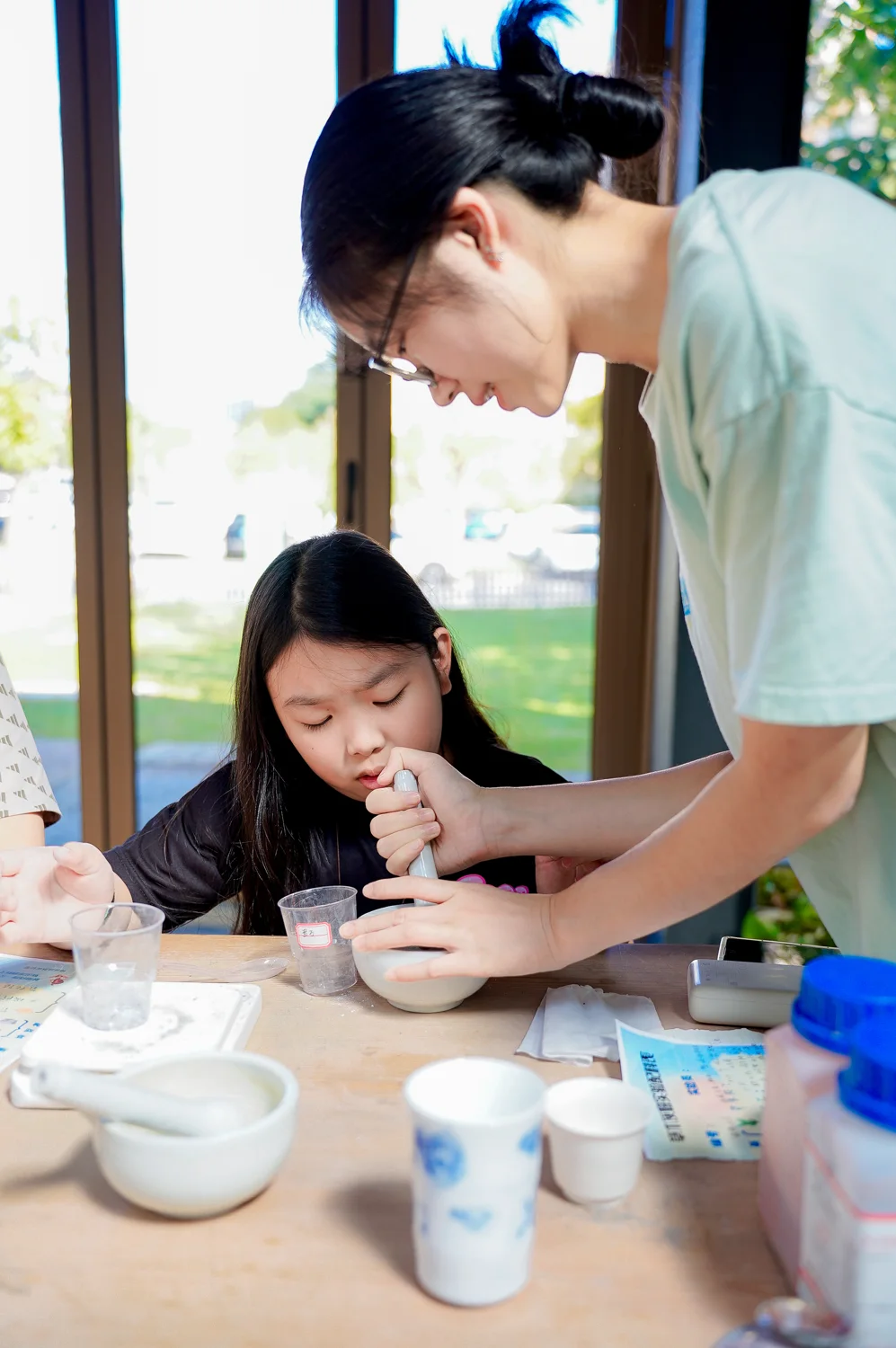
Wheel throwing: after the teacher's demonstration, each participant receives a piece of clay to make a cup or bowl. It spins, rises and changes shape in their palms. The joy of creating something from nothing is unlike anything else.
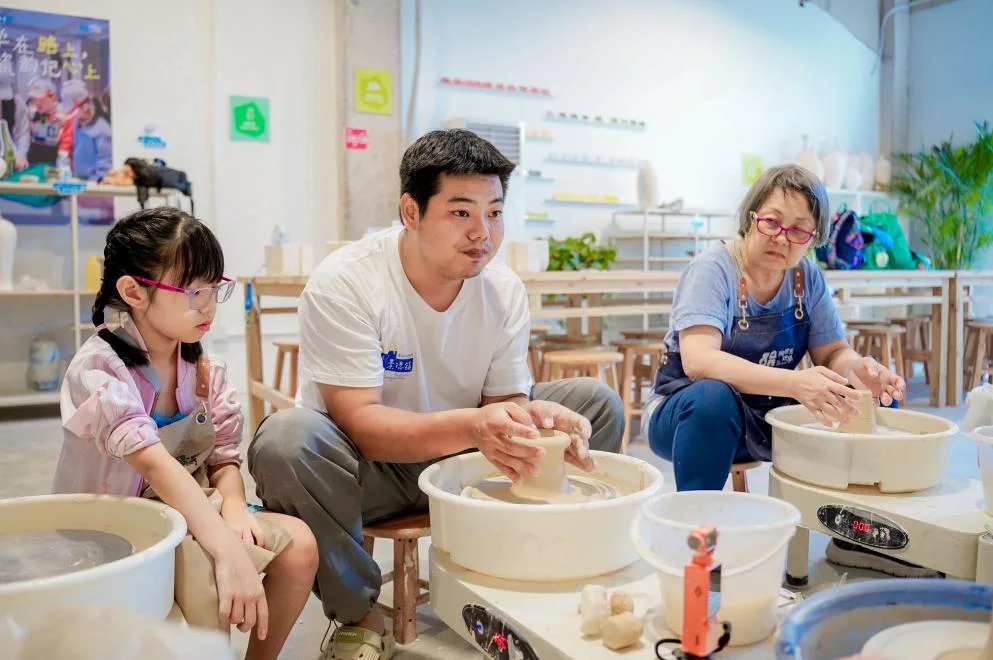
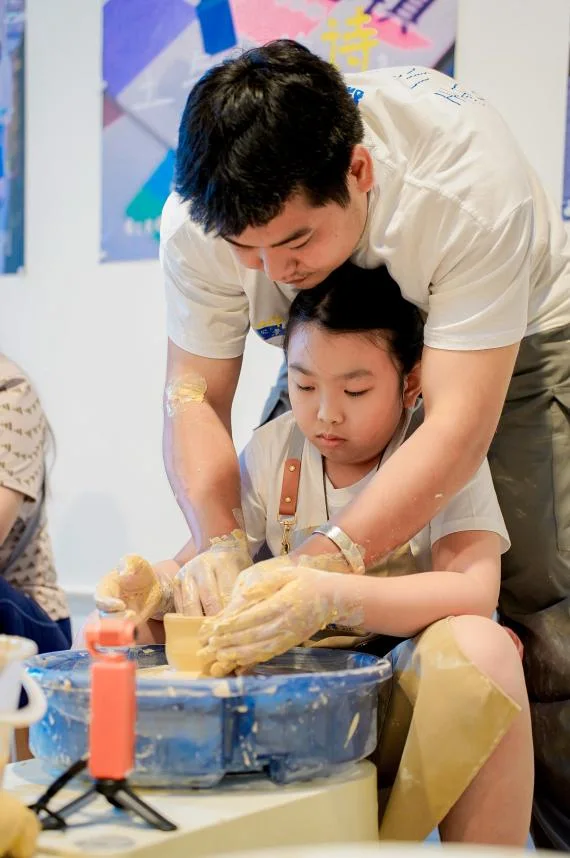
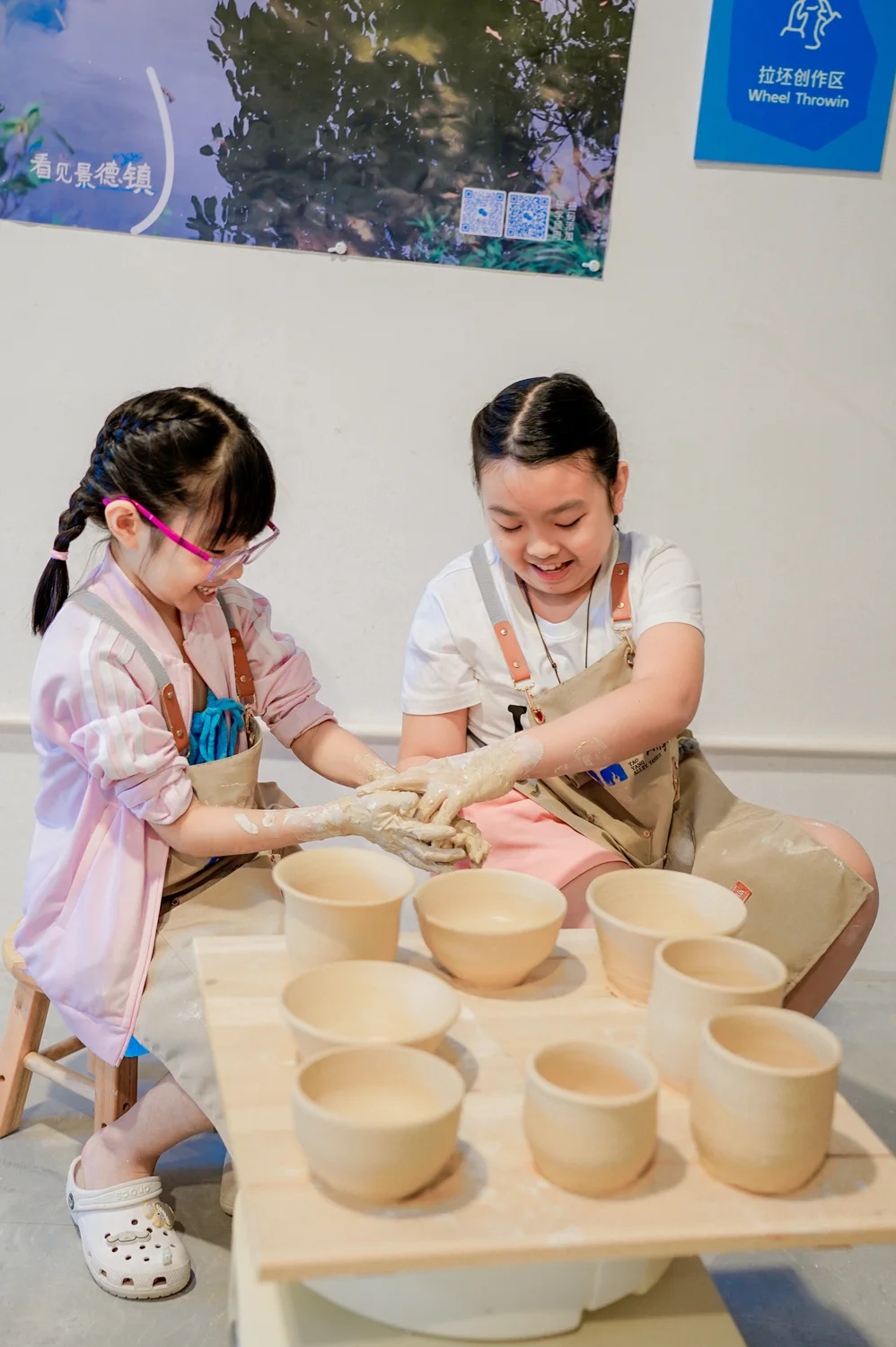
Afternoon: learn three traditional glazing techniques: blowing, dipping and swirling glaze. Apply the glaze by hand, bringing colour and clay together to give each piece its final smooth texture and luminous surface.
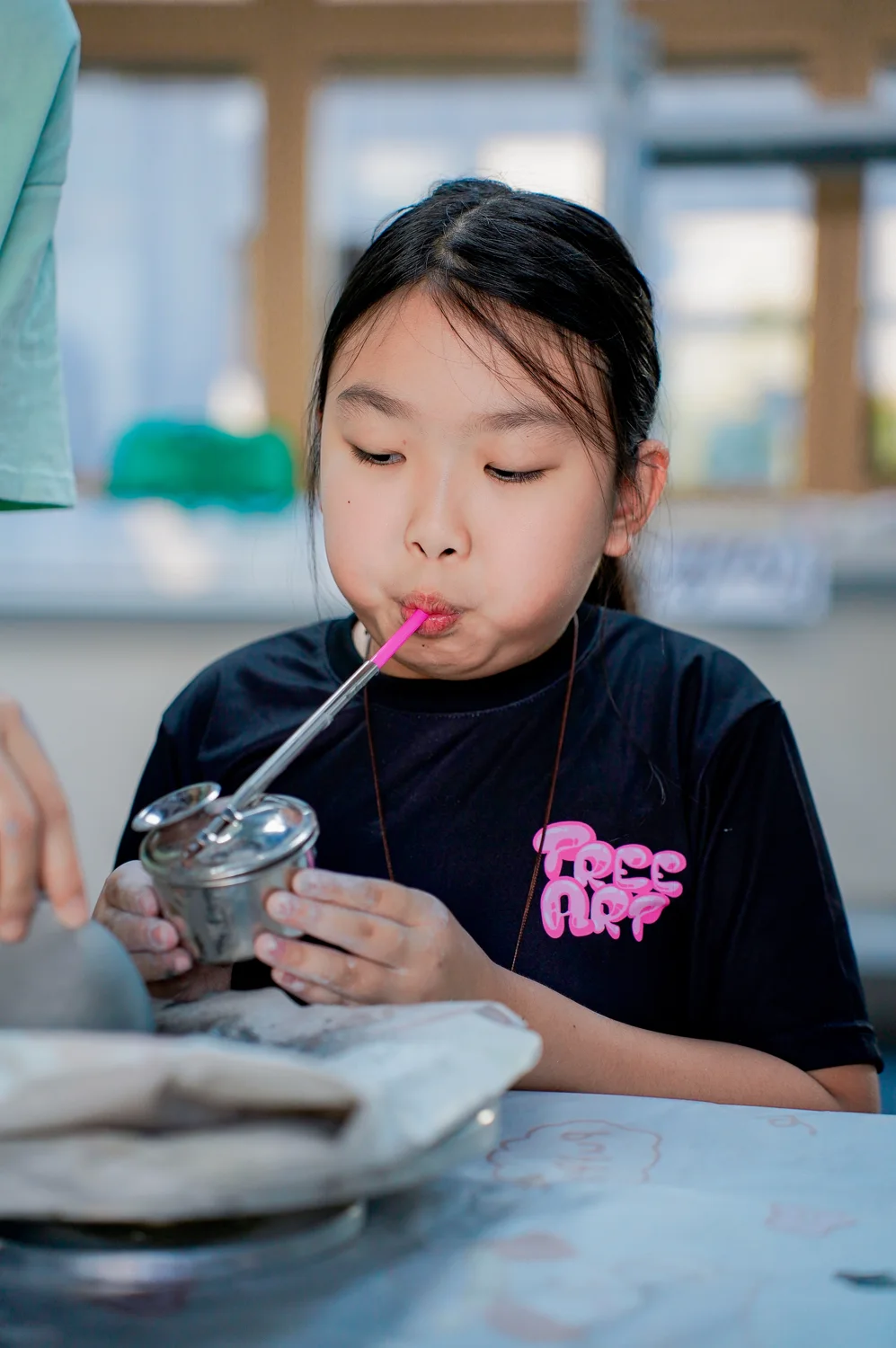
Day 4Kiln Fires Passed Down Through Generations
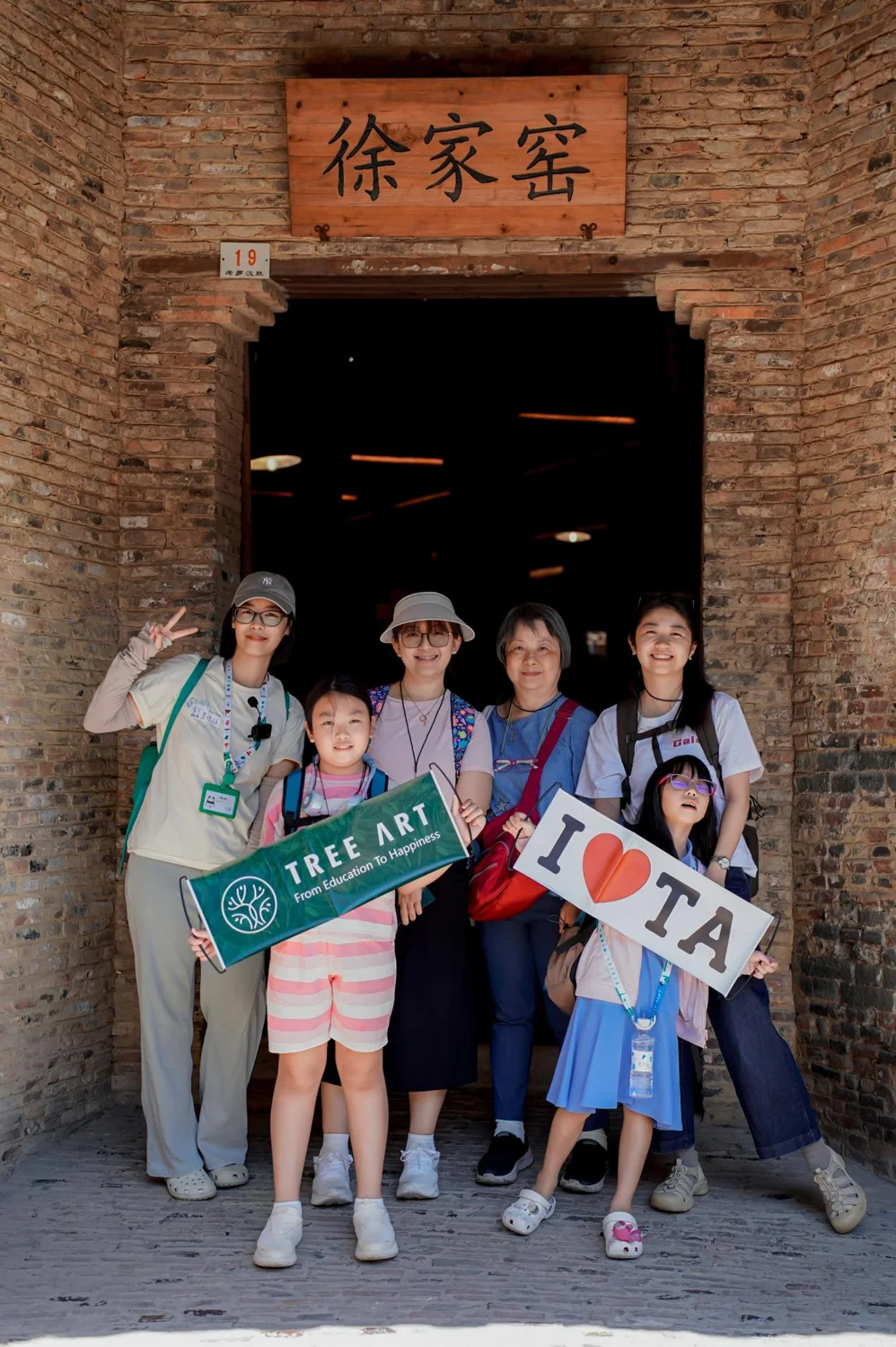
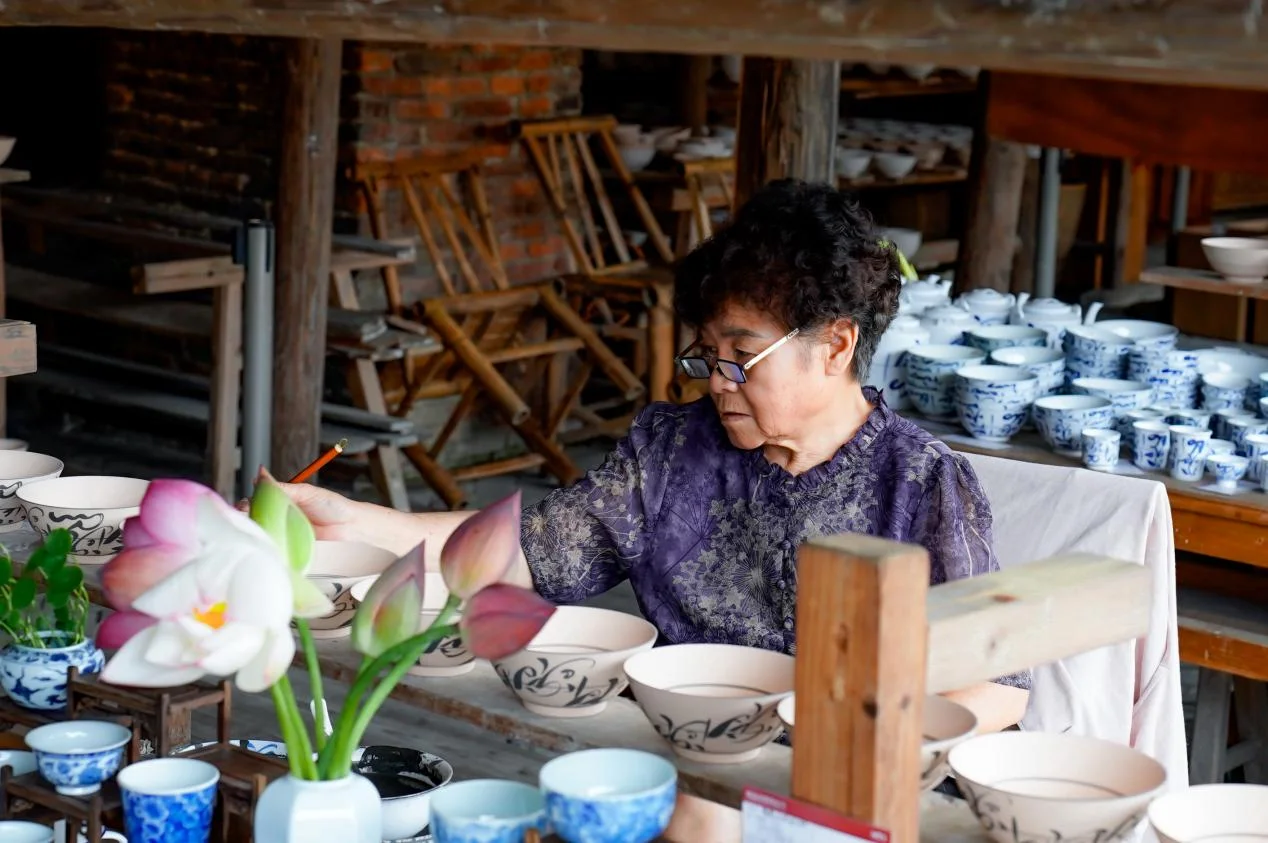
Morning: visit the Xujiayao workshop complex, home to surviving ancient kiln sites and workshops. These old remains and fragments of history record Jingdezhen's life, preserve the city's memory and carry on the craft of porcelain making.
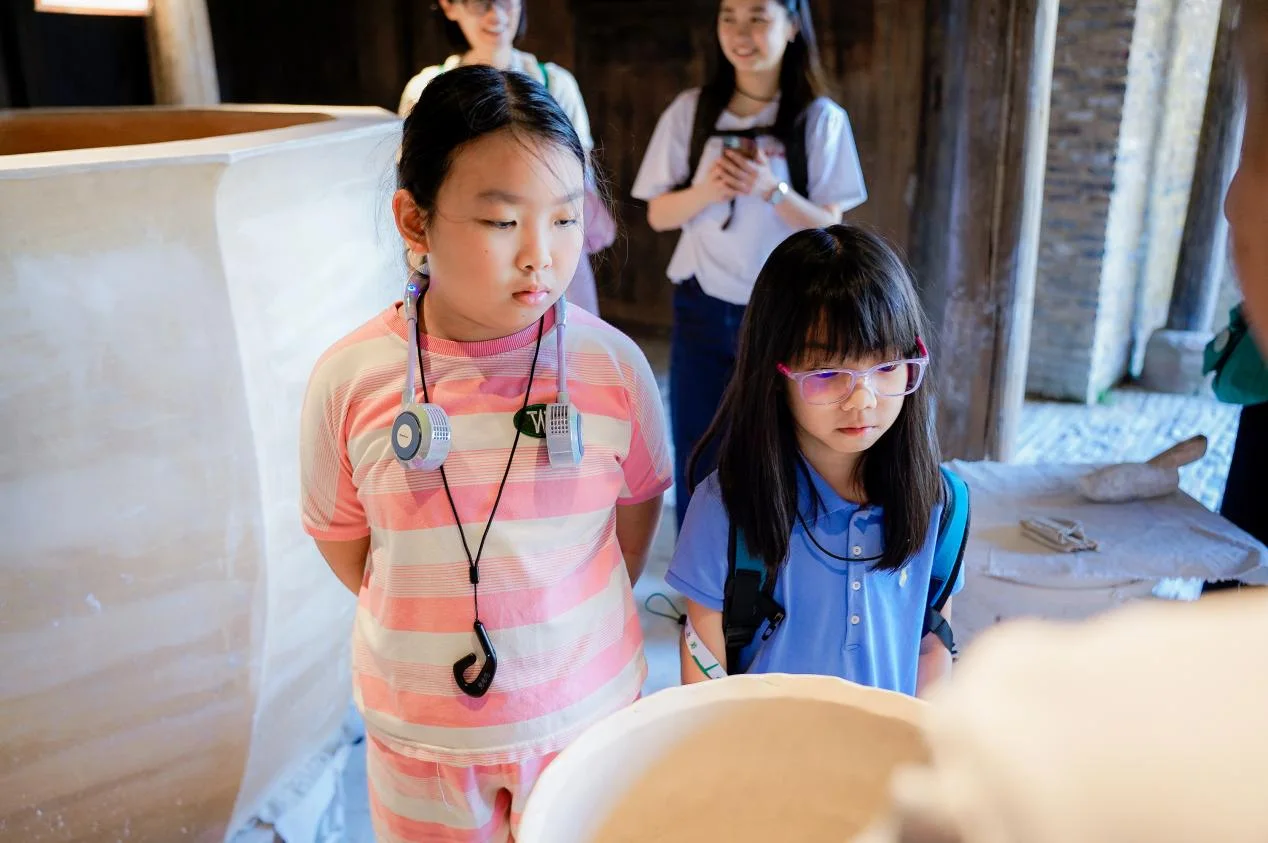
The “Why Jingdezhen” virtual reality experience brings the development of Jingdezhen's ceramic culture to life through immersive technology.
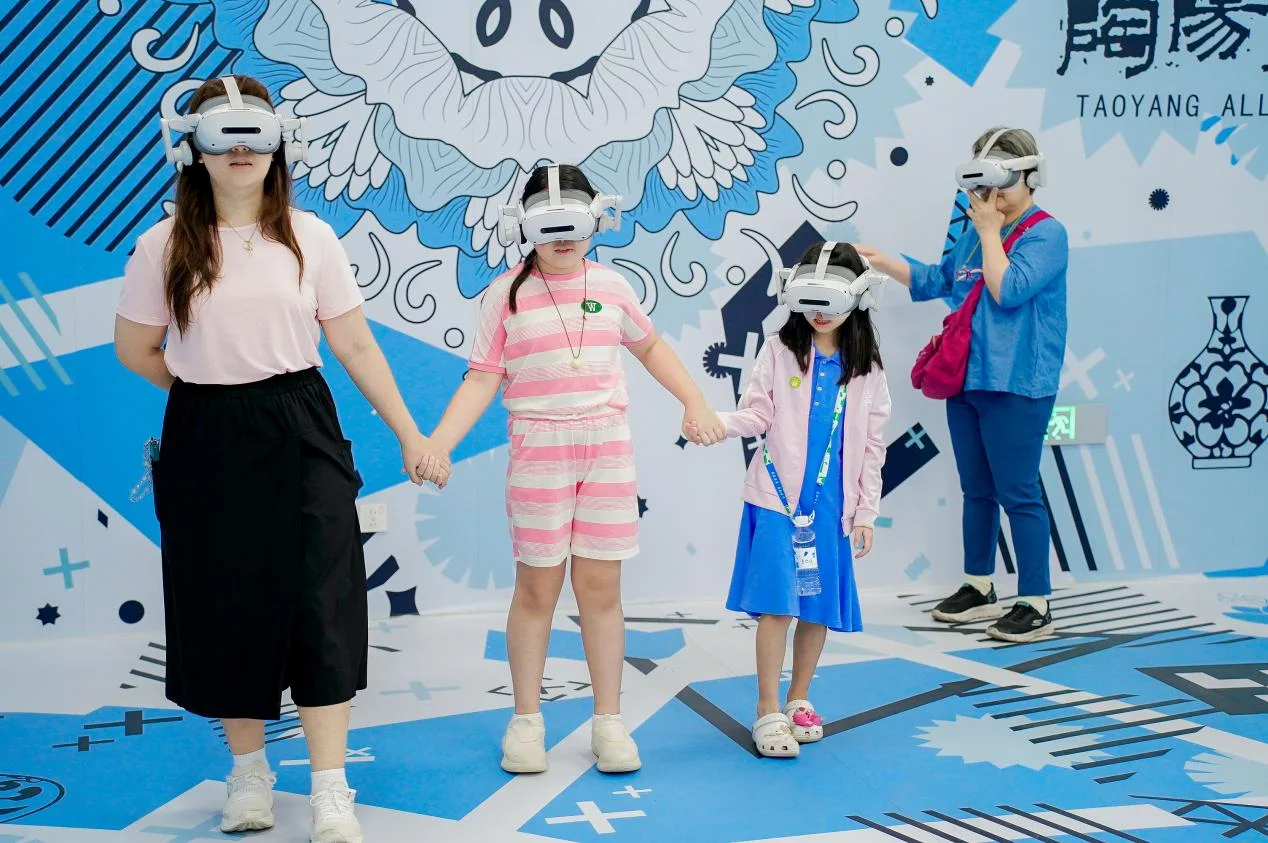
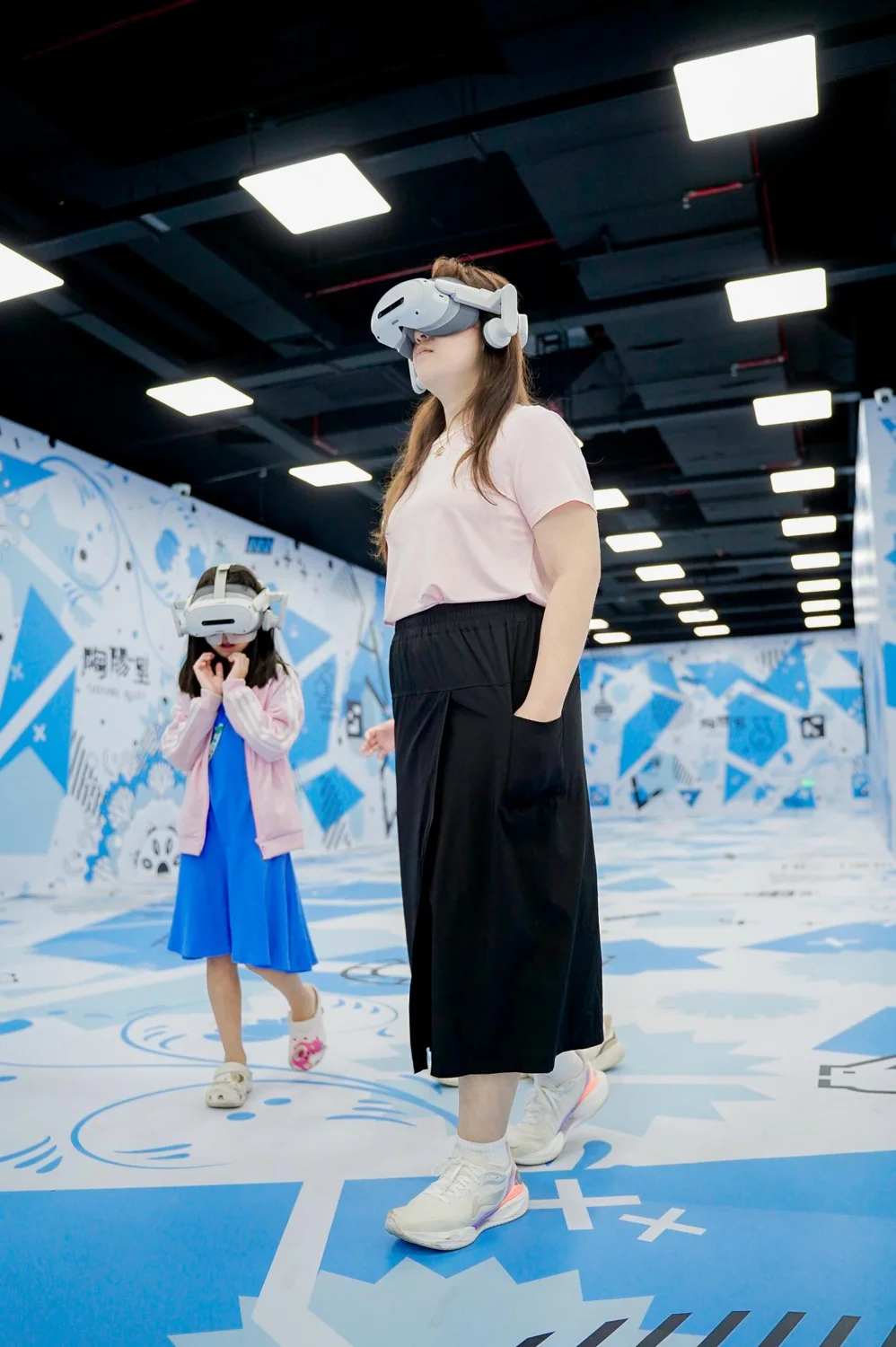
Afternoon: enjoy a water fight among the green hills and clear streams of a thousand-year-old porcelain-making site. Play in the cool water, relax in nature and listen to the stories held by the ancient kiln remains.
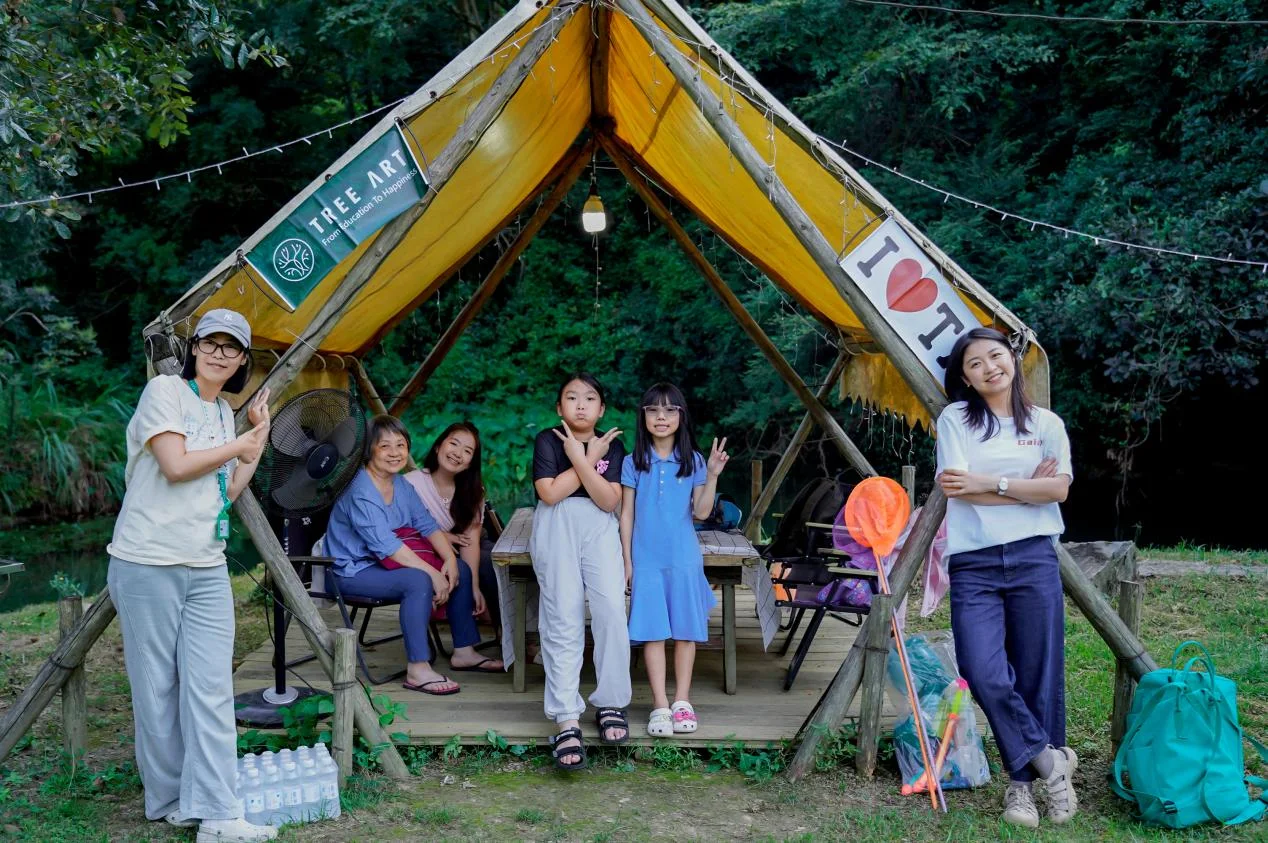
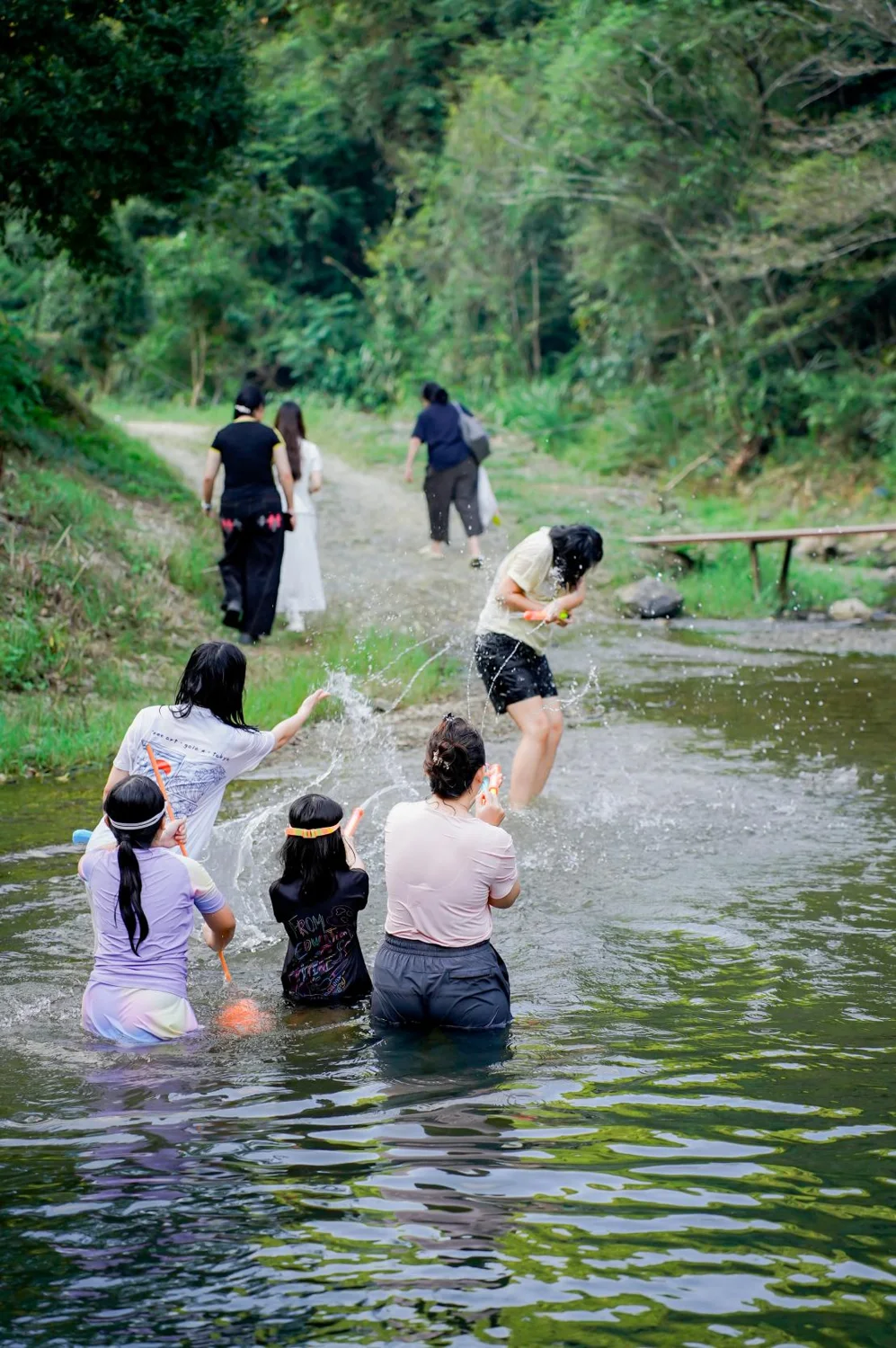
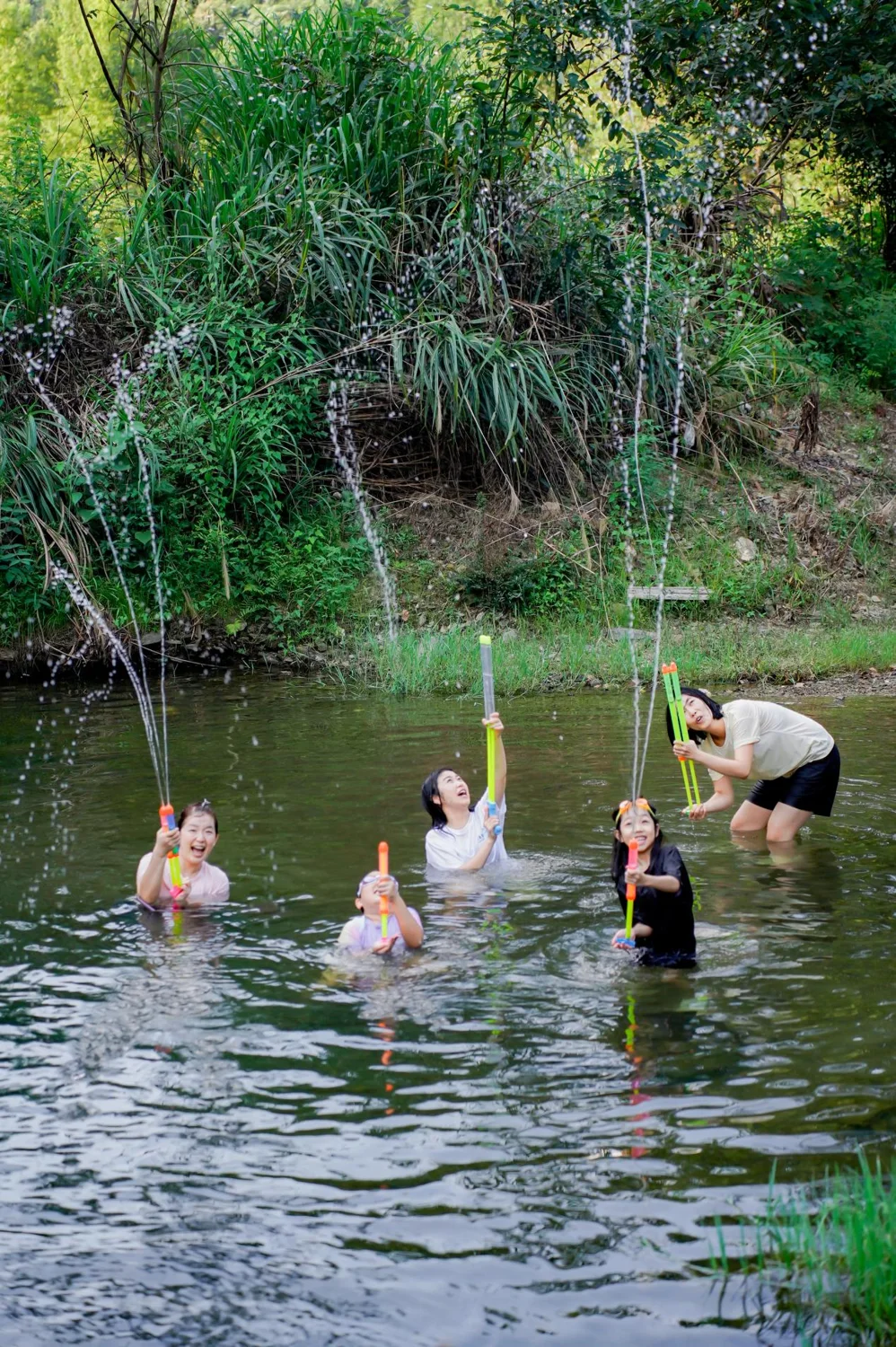
Water games capture the joy of summer. What would summer be without a few water fights? With safety in mind, we bring back the simple pleasures of childhood and get close to nature at Xiangchunshan Camp.
TREE ART Pit Firing · The Art of Earth and Fire
Have you heard the story of Tong Bin, the kiln deity? This is the final stage of ceramic making. As we hope for a successful firing, flame and smoke paint the clay. In the pit, each piece tells the story of earth transformed by fire.
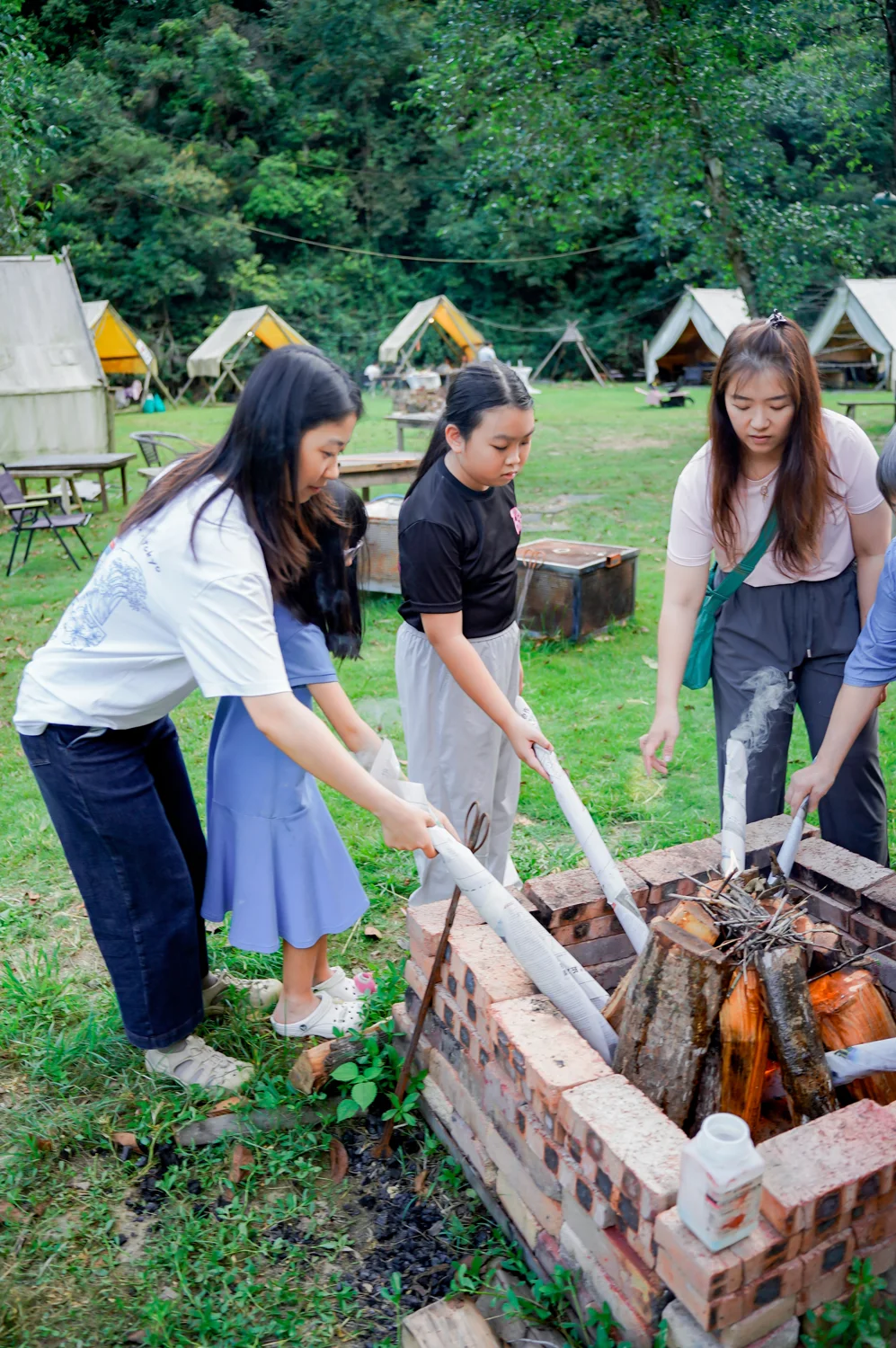
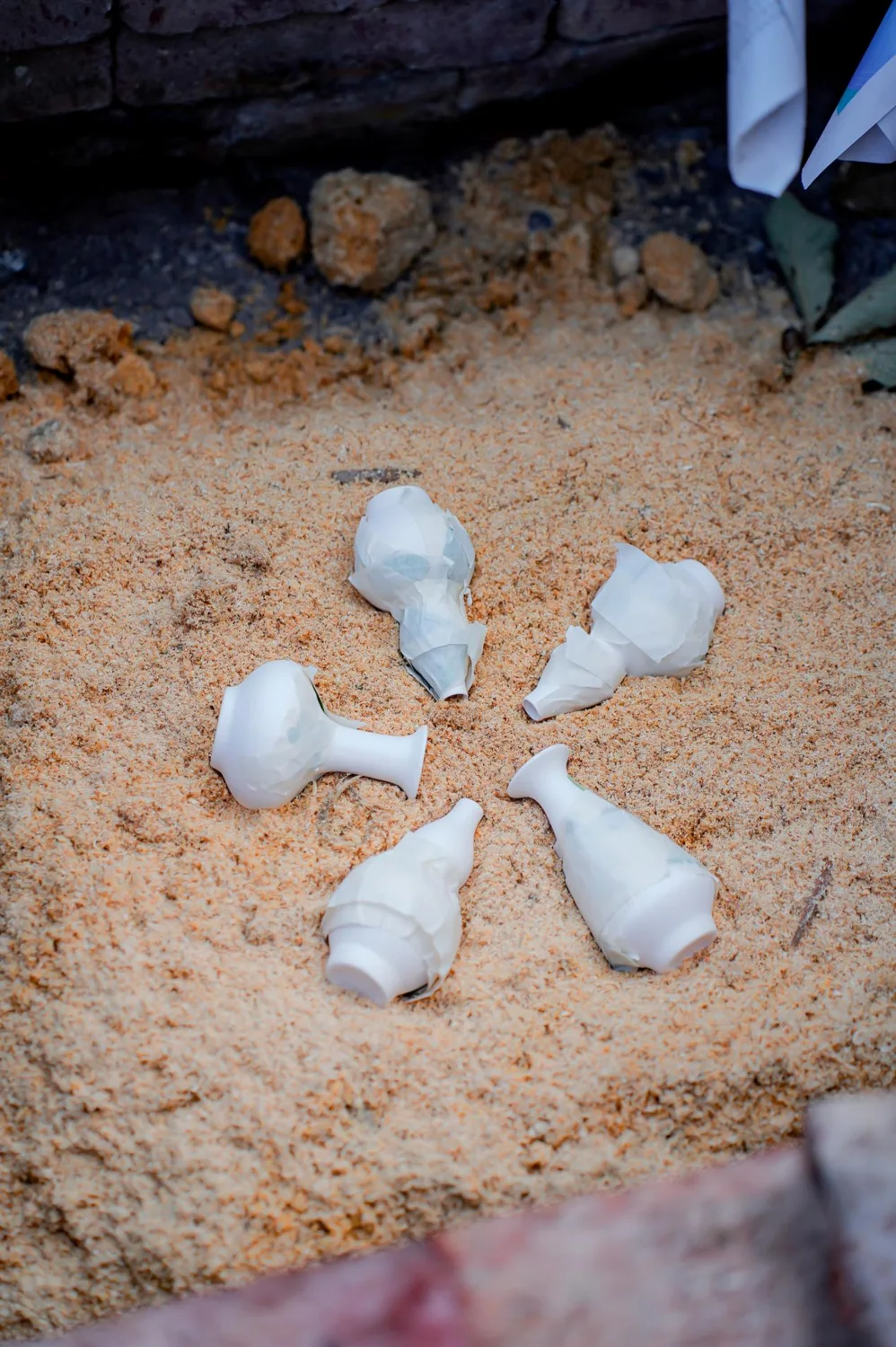
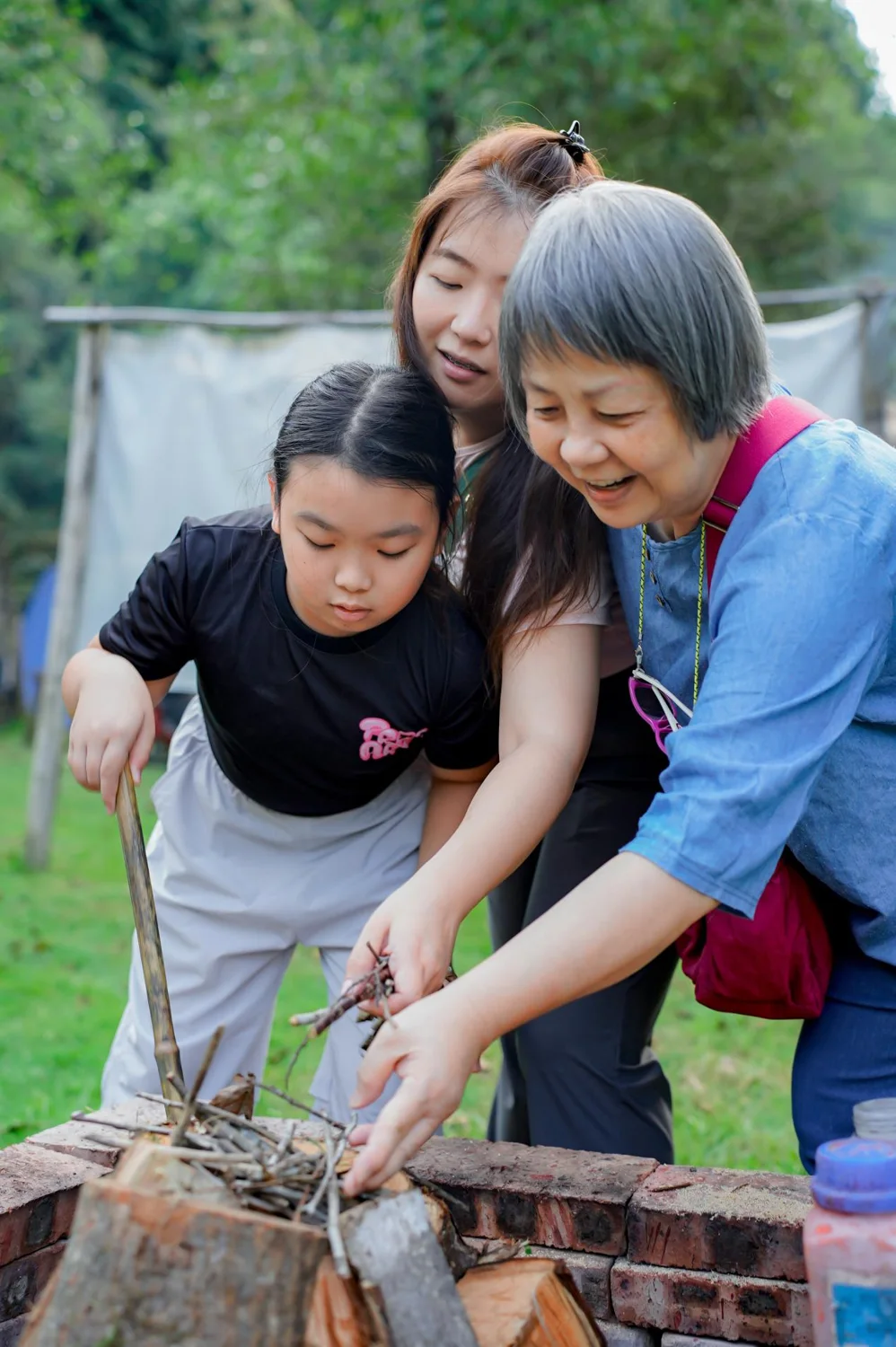
The beauty of pit firing lies in its uncertainty and surprises. Children watch with anticipation as their ceramics are born. Amid the flames, every piece becomes unique.
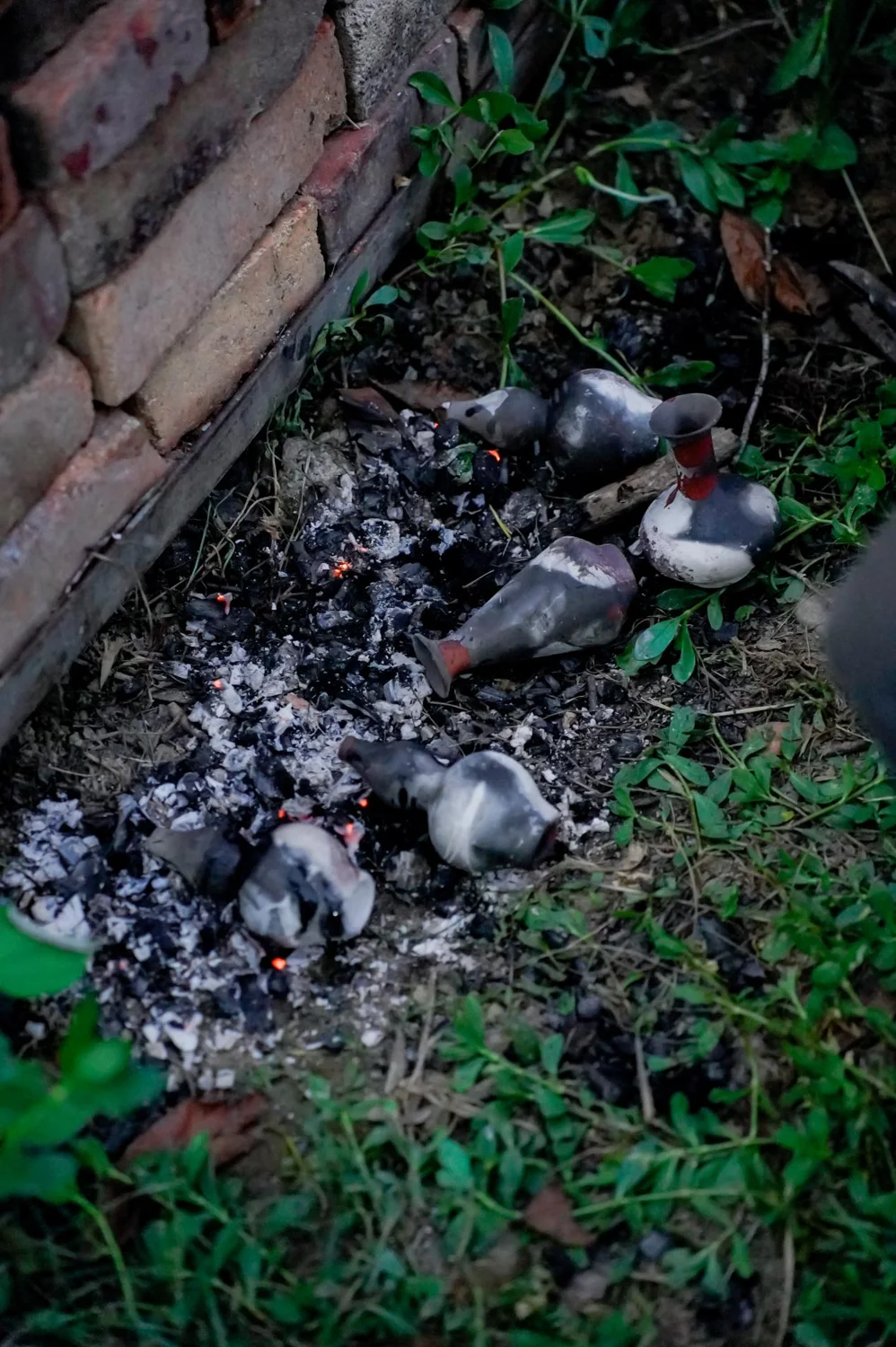
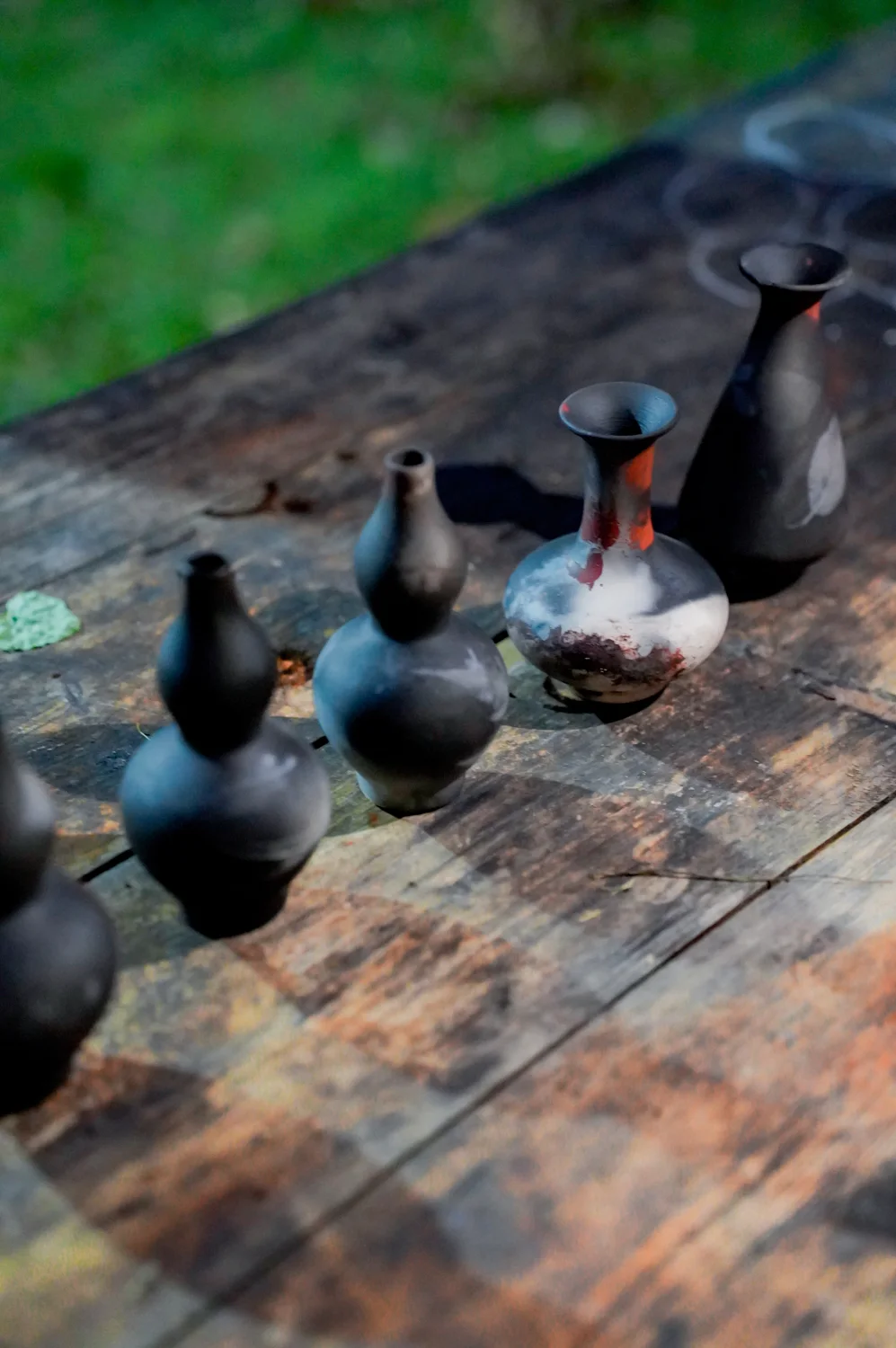
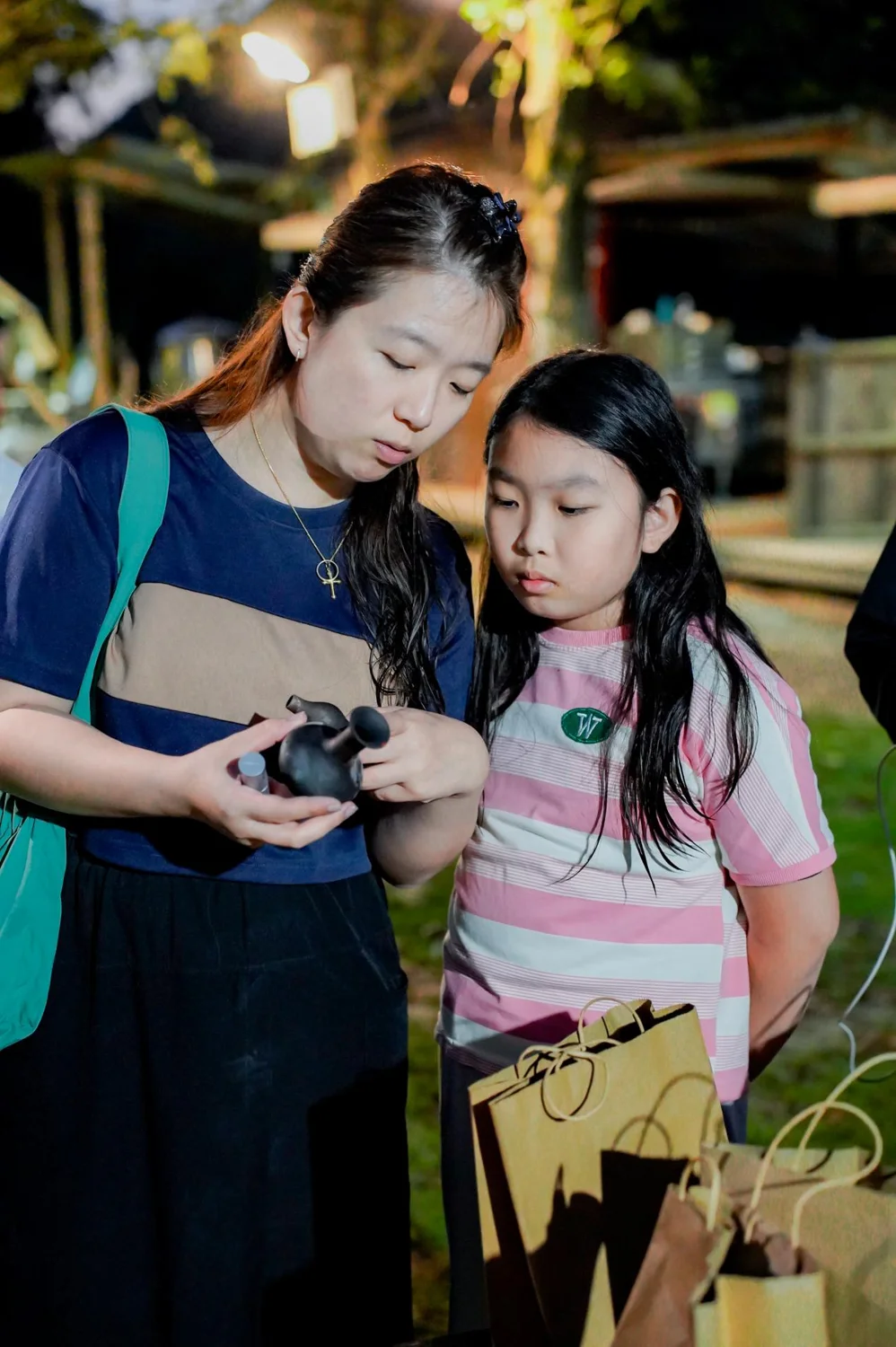
Anticipation and curiosity are natural teachers. In the pit-firing course, the connection between effort and reward becomes something children discover for themselves.
Evening: a study tour celebration where “a thousand years of kiln fires meet the stars”. Gather around the bonfire, share talents and take part in the Taiping Kiln lighting ceremony, experiencing a tradition of kiln fire passed down for centuries.
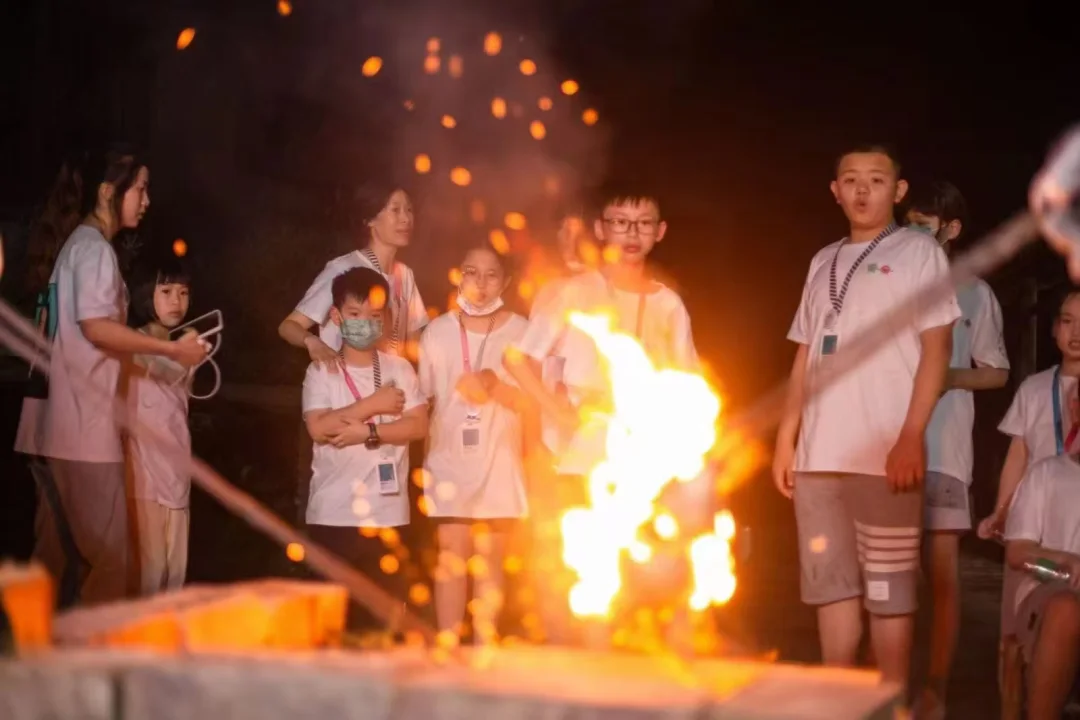
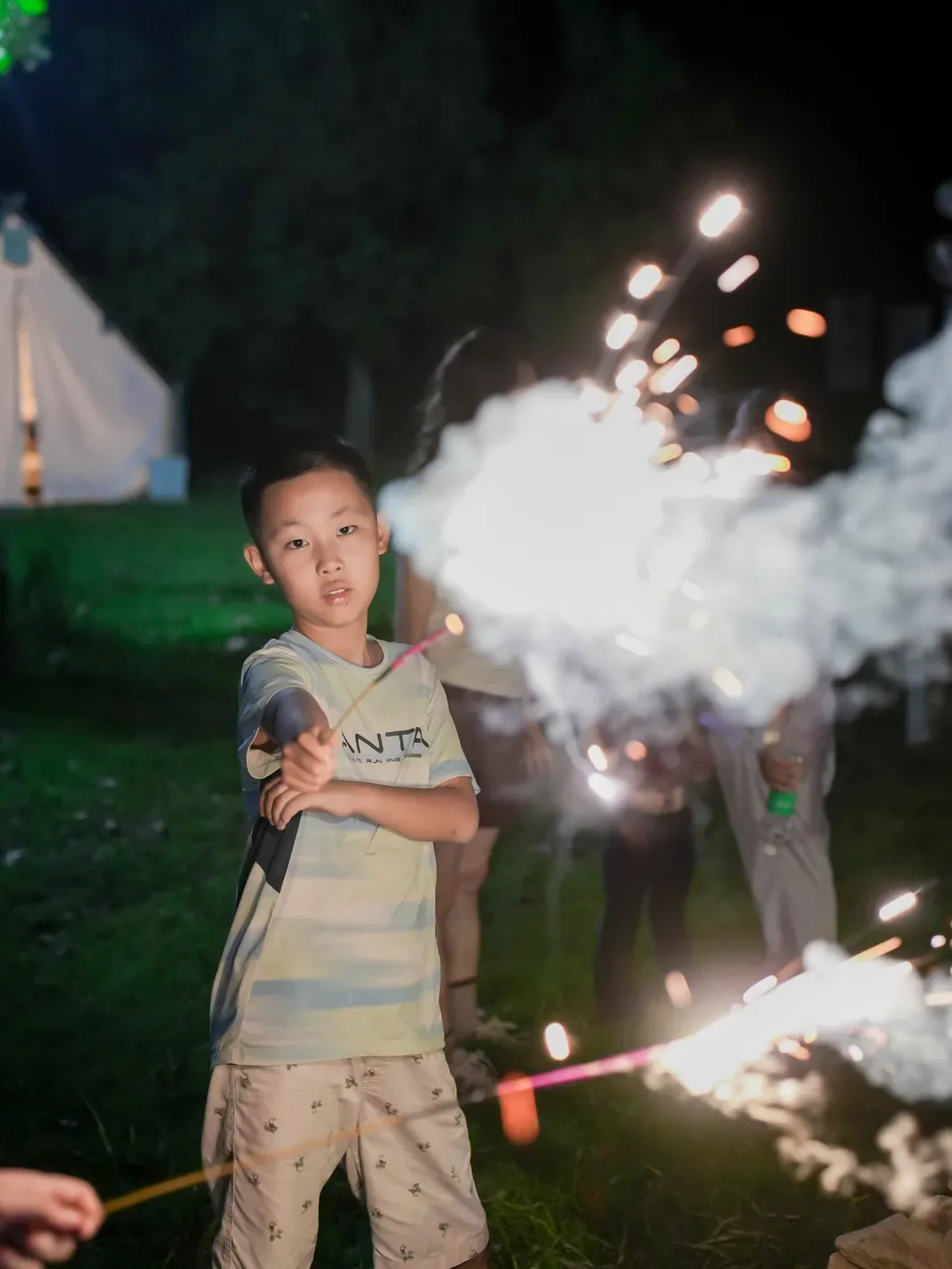
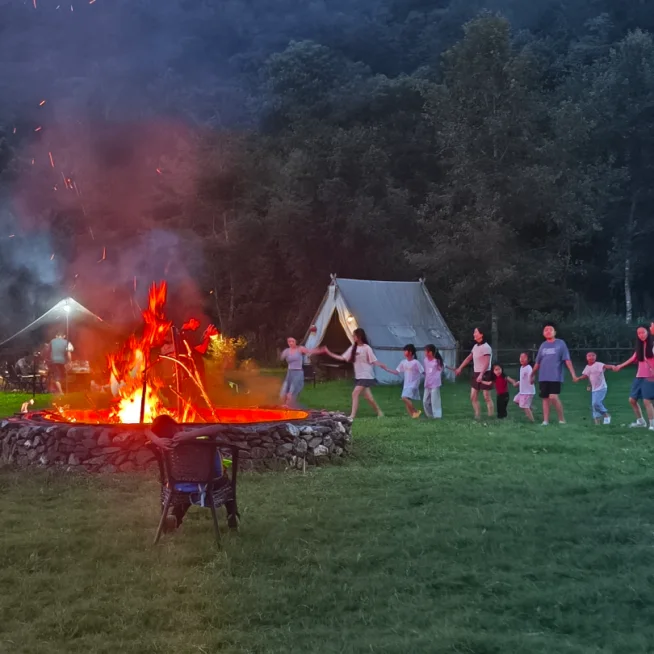
As the bonfire reaches its height, fireworks and sparks light up the night. Laughter fills the hills beneath a sky of shimmering light.
Day 5Village Treasures and Architectural Heritage
Morning: enter Xixinan, a thousand-year-old village that retains its natural character. Following clues, children search for traces of the people who left behind its rich material and cultural heritage.
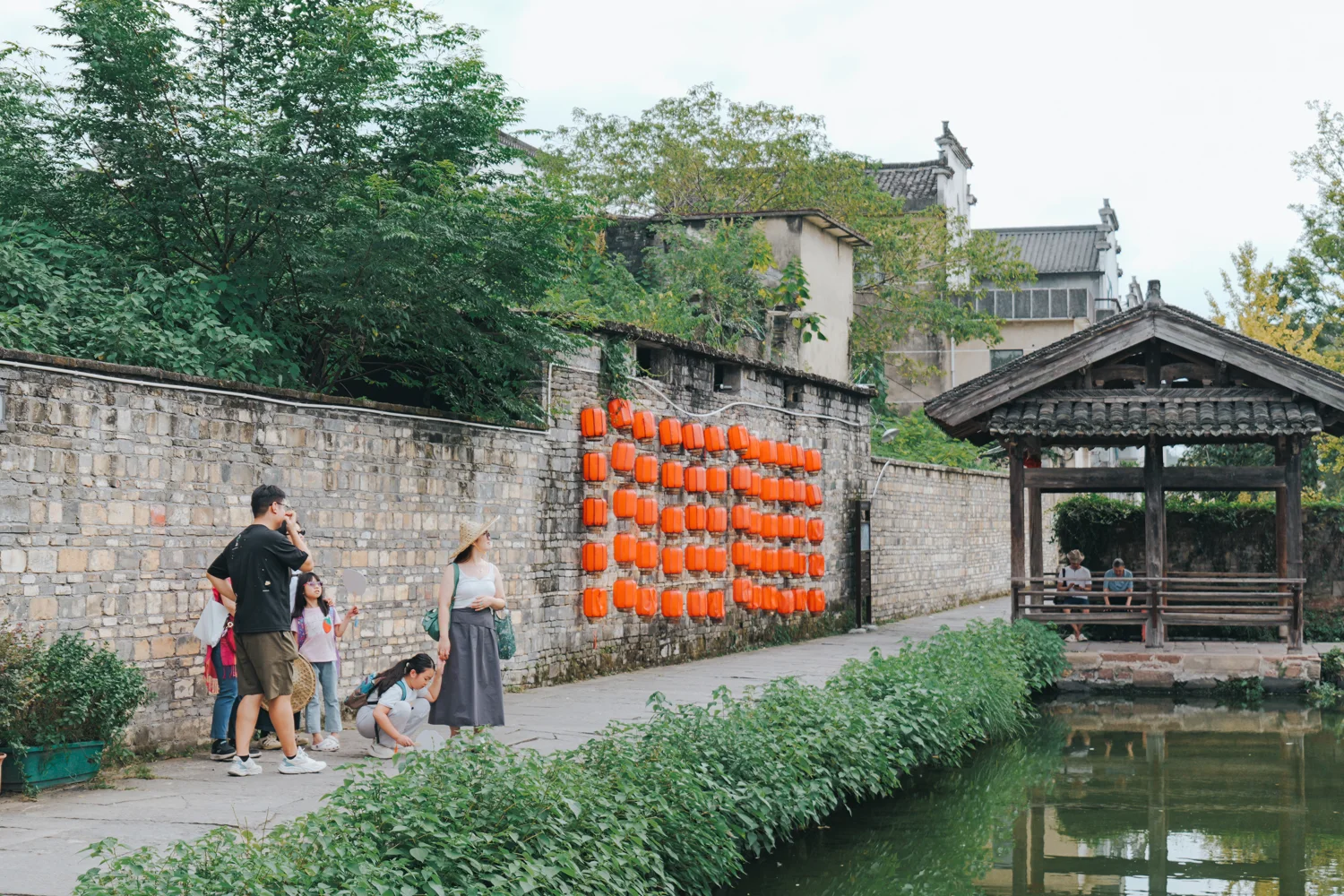
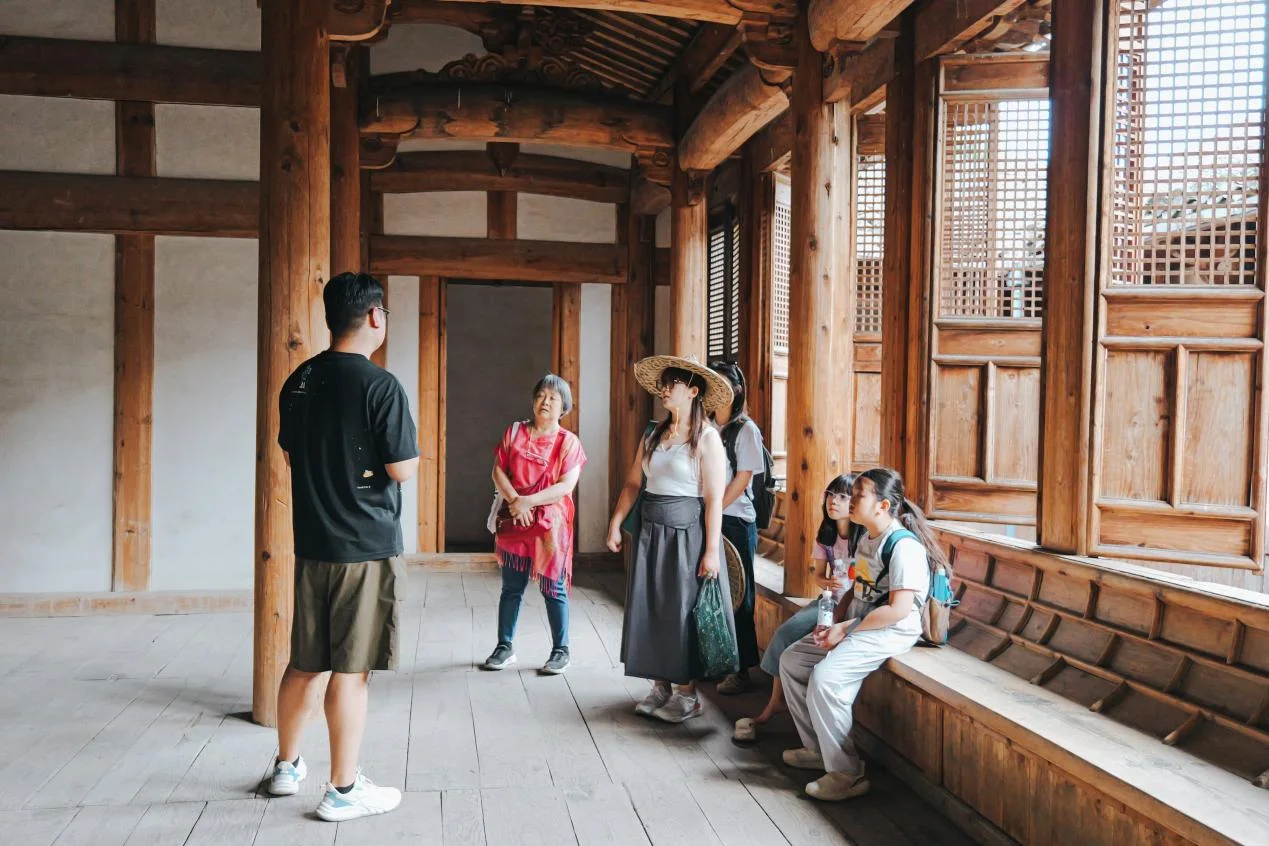
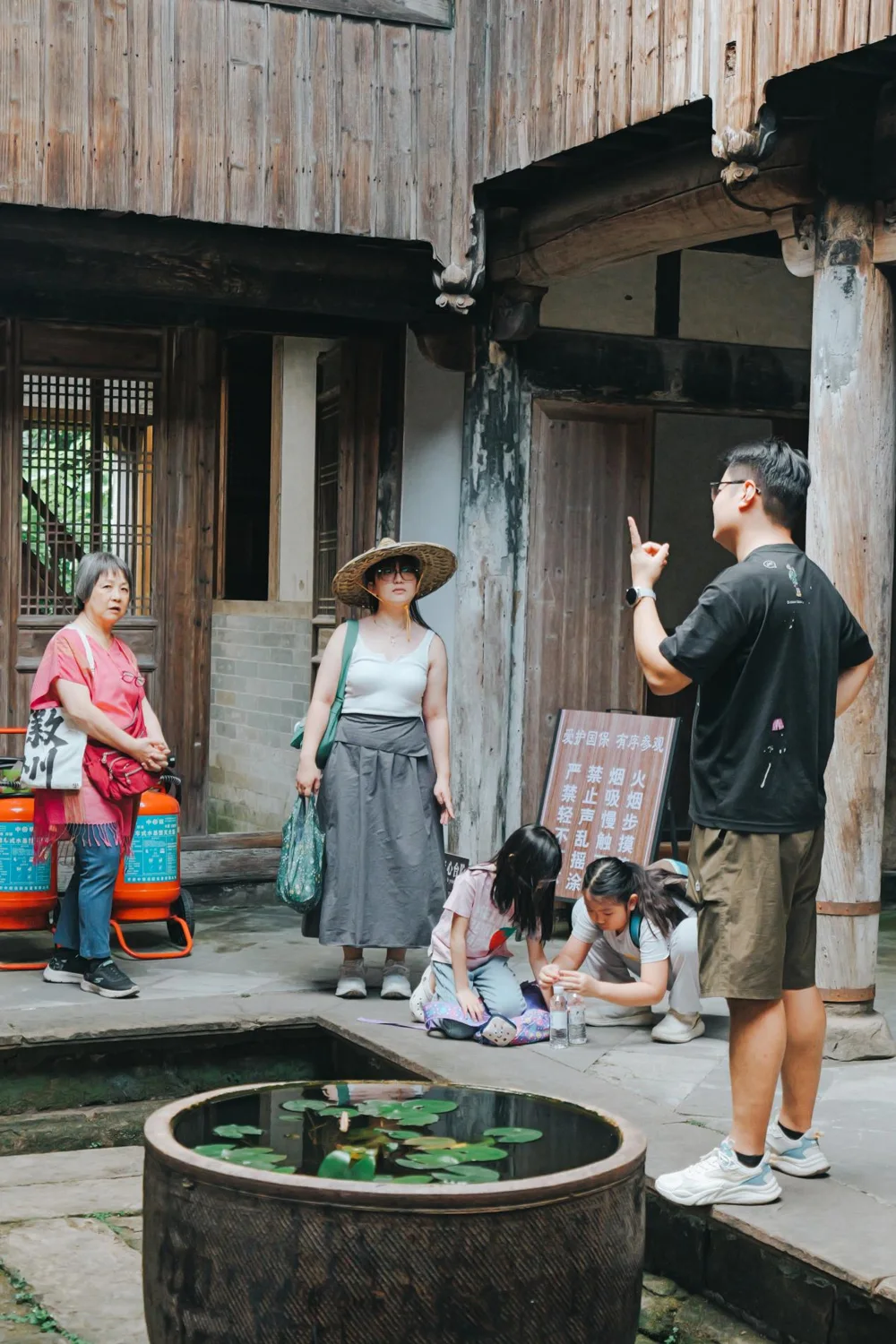
Through energetic play and exploration, they discover the essence of Huizhou culture, develop a sense of architecture and outdoor space, and nurture their curiosity about the unknown.
Afternoon: Lurao Pavilion was first built in 1328, the first year of the Yuan Dynasty's Tianshun era. Its square plan and carved details resemble those of Laowuge, with elegant brocade-style painted motifs on its curved beams. Built-in seating overlooks the pond. Zhu Zhishan celebrated its scenery in his poem “Dongchou Lurao”.
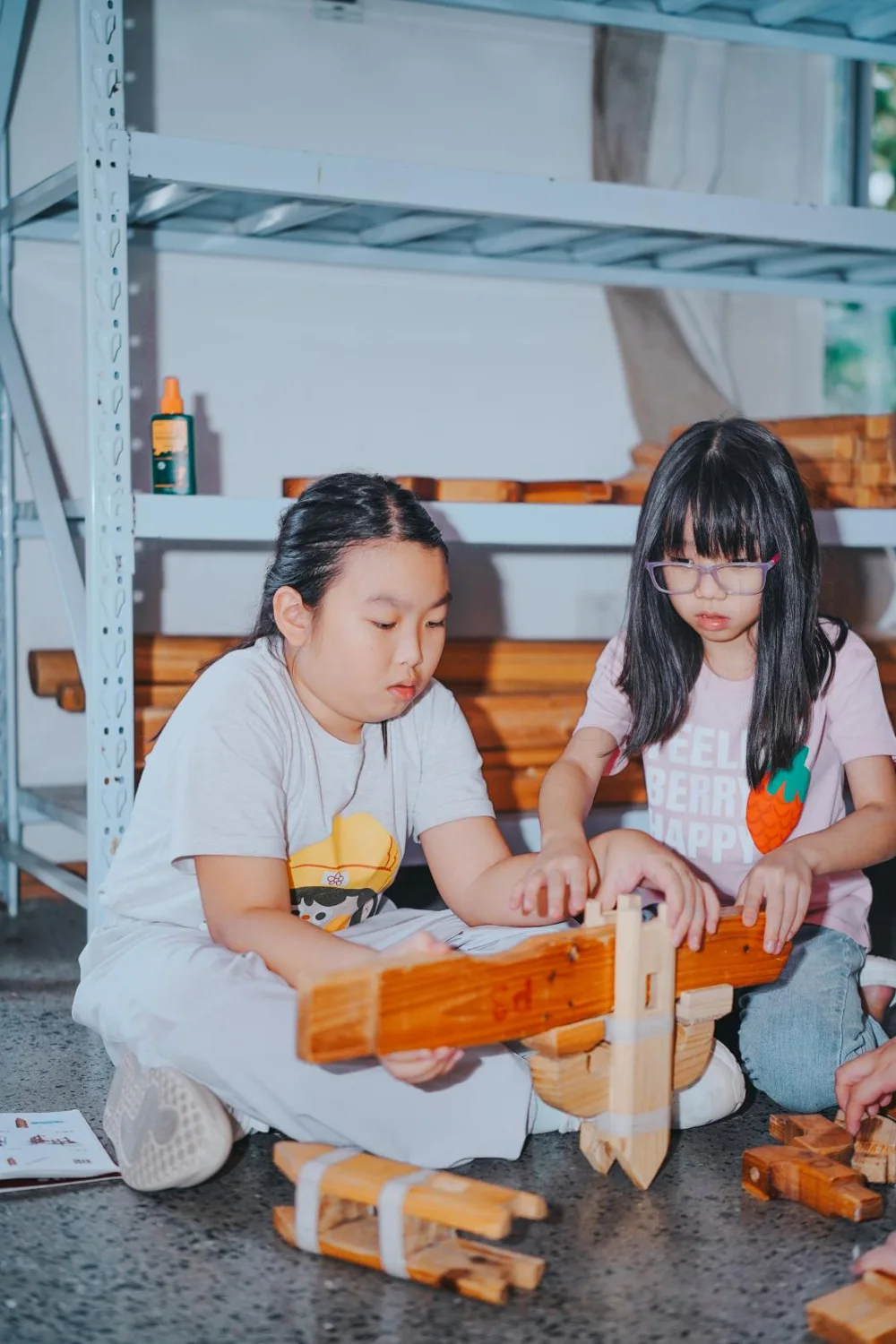
Follow in the footsteps of architectural historian Liu Dunzhen to explore Laowuge and Lurao Pavilion. Learn how gardens and pavilions have evolved and how beauty meets practical use. Using the treasures found during the village quest, build a 1:3 model of Lurao Pavilion and explore traditional Huizhou columns, beams, purlins, tie beams, bracket sets and mortise-and-tenon joints.
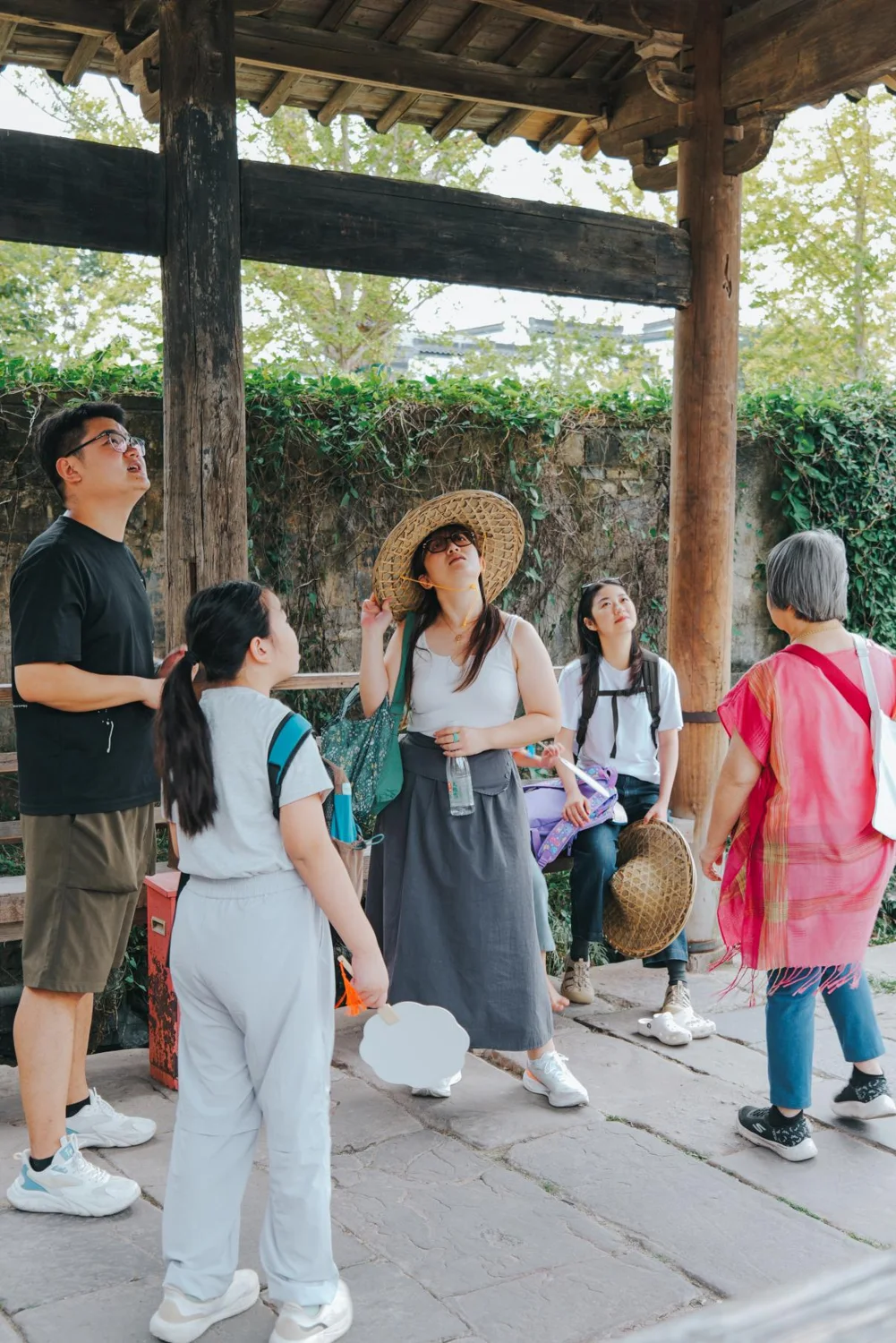
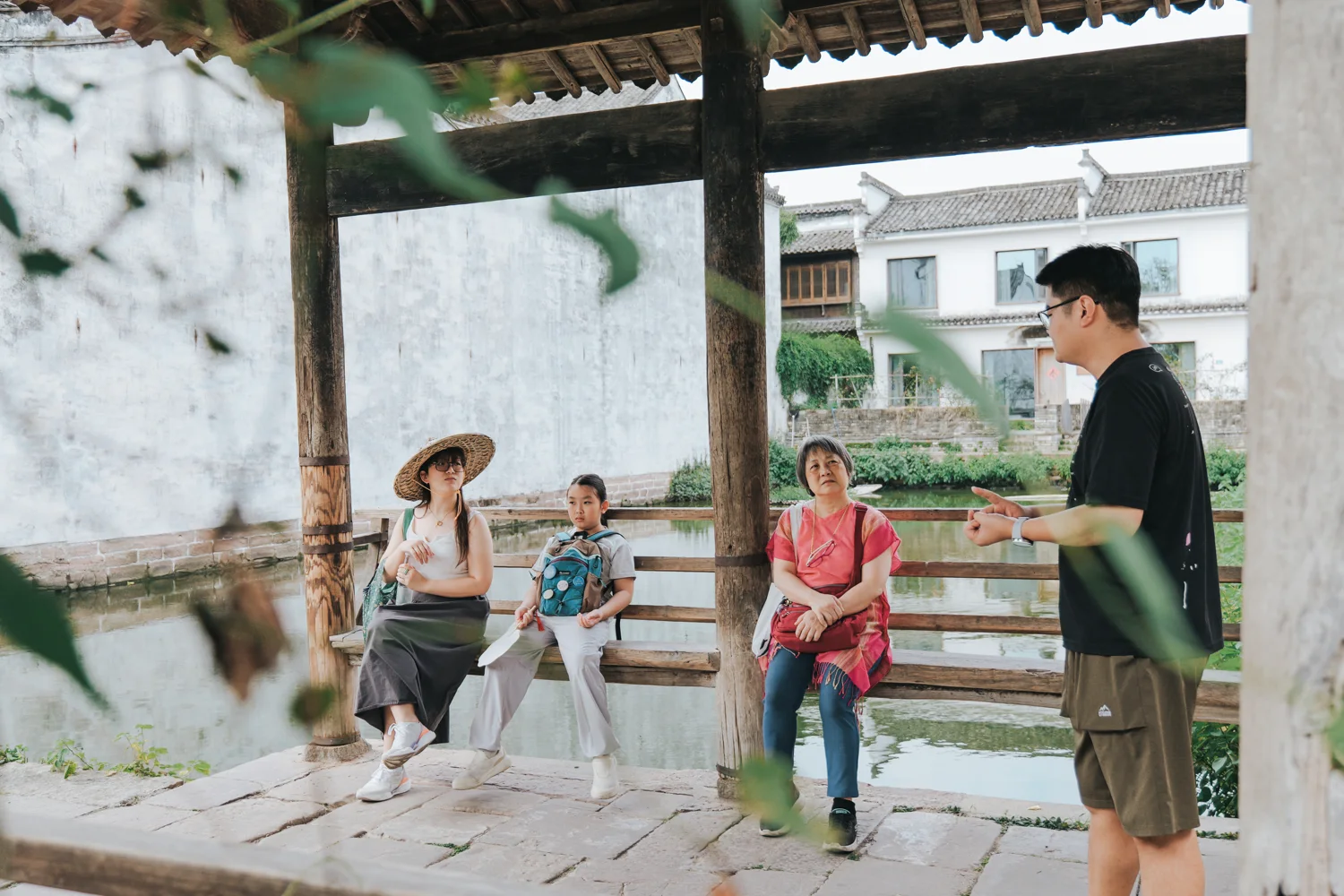
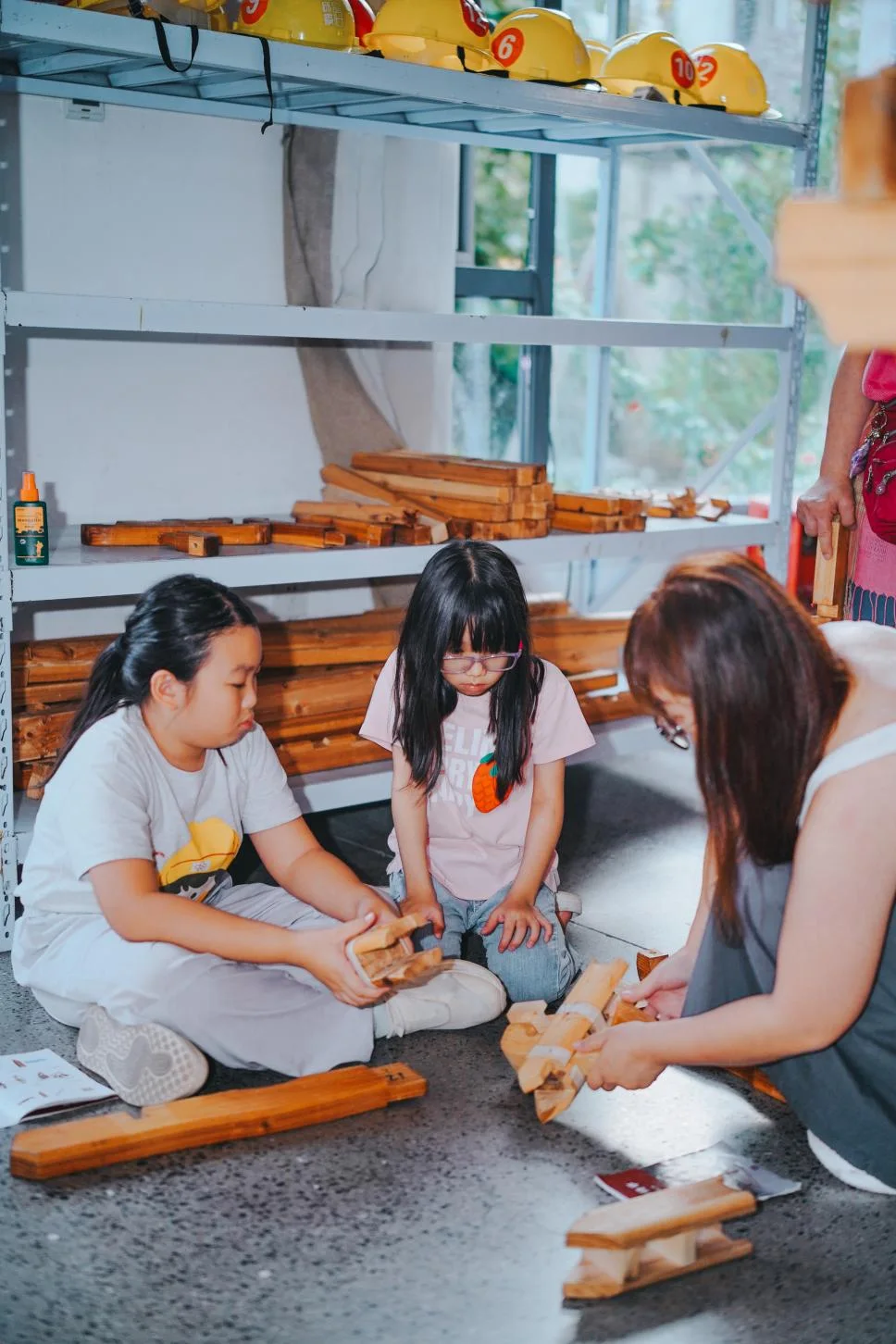
TREE ART Outdoor Sketching · Huizhou Village Architecture
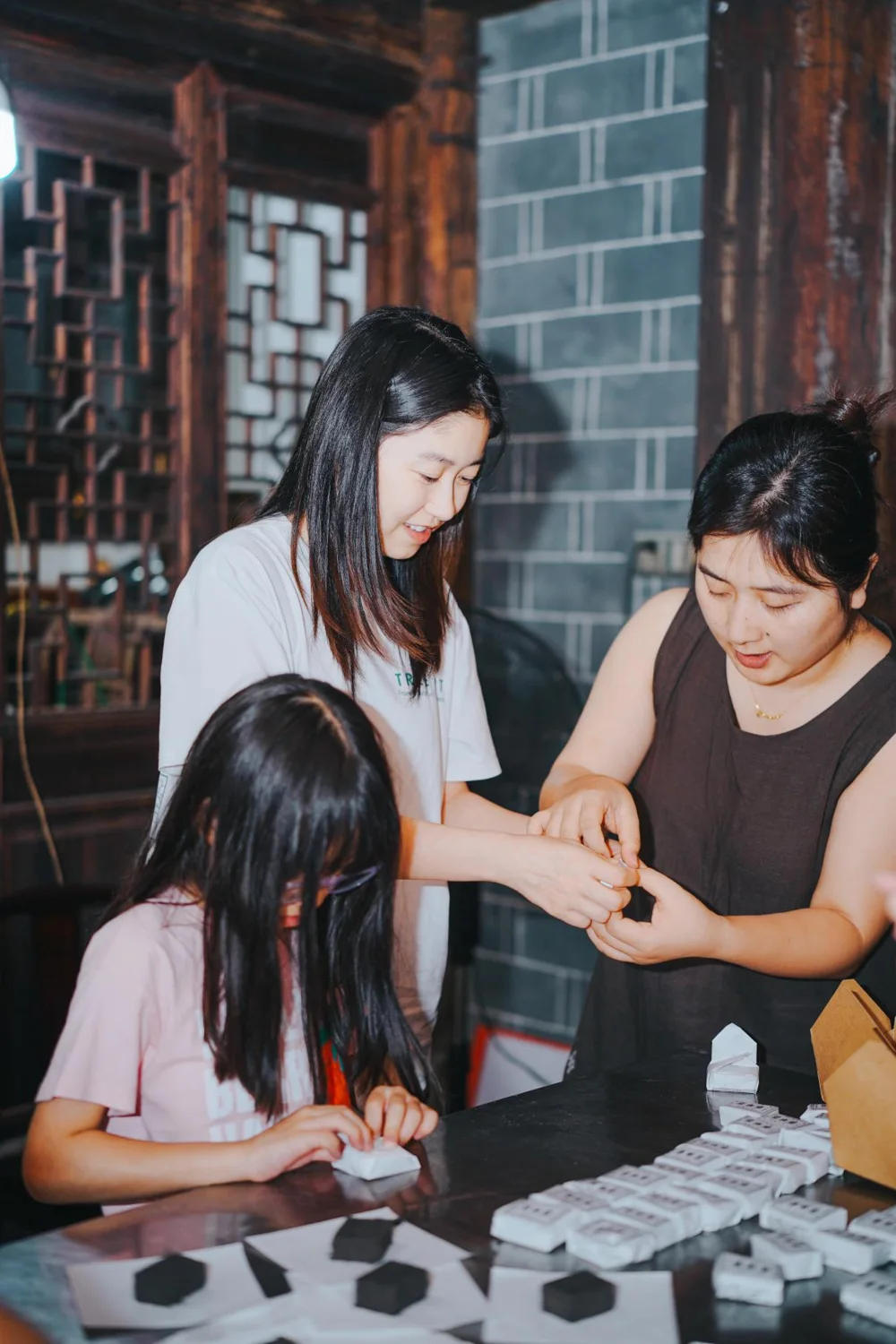
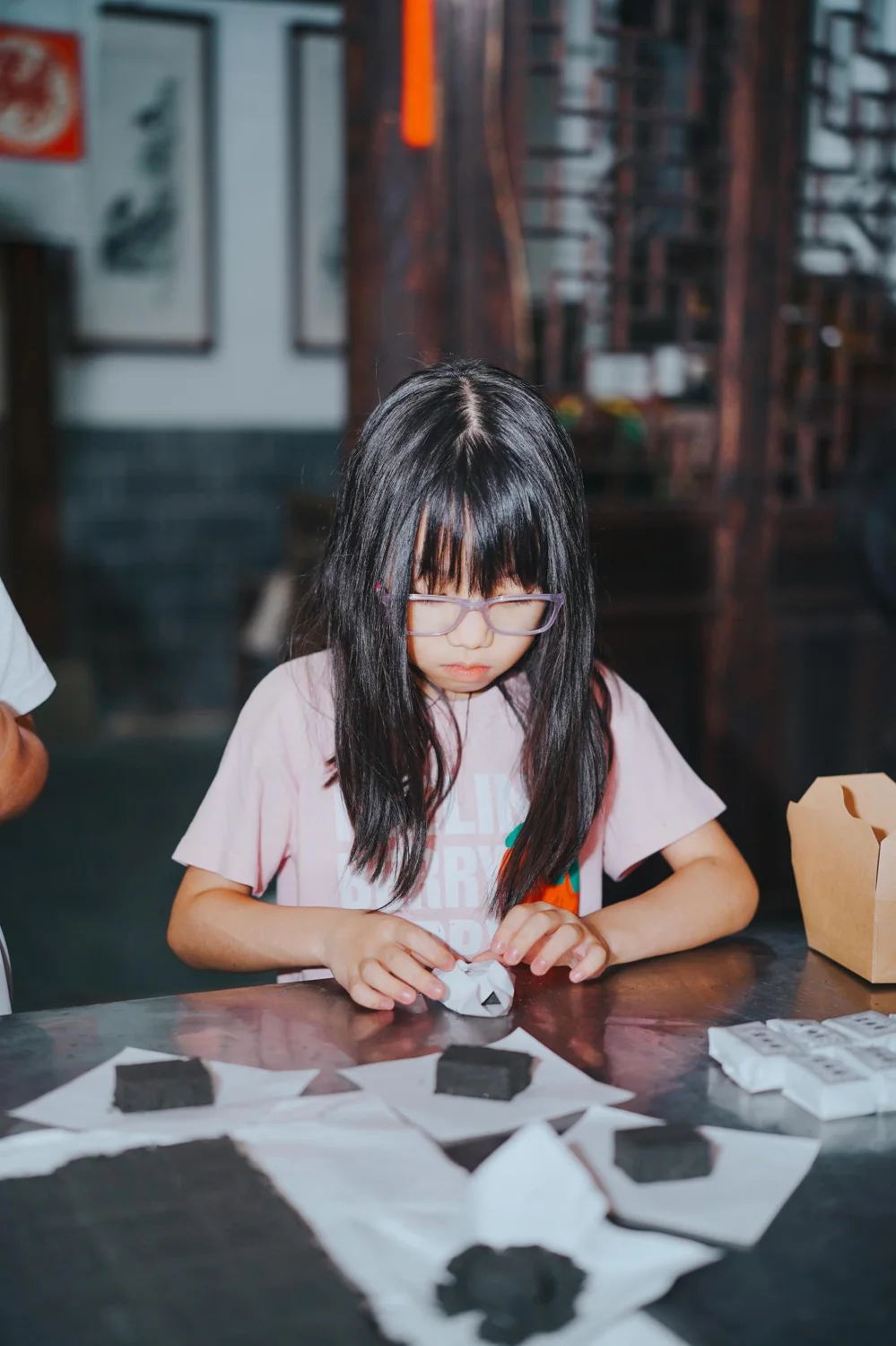
Evening: make Huimo Su, a Huizhou pastry known as “edible ink”. Shaped like a traditional Huizhou inkstick, it is glossy black, delicately sweet and rich with a tender, flaky texture.
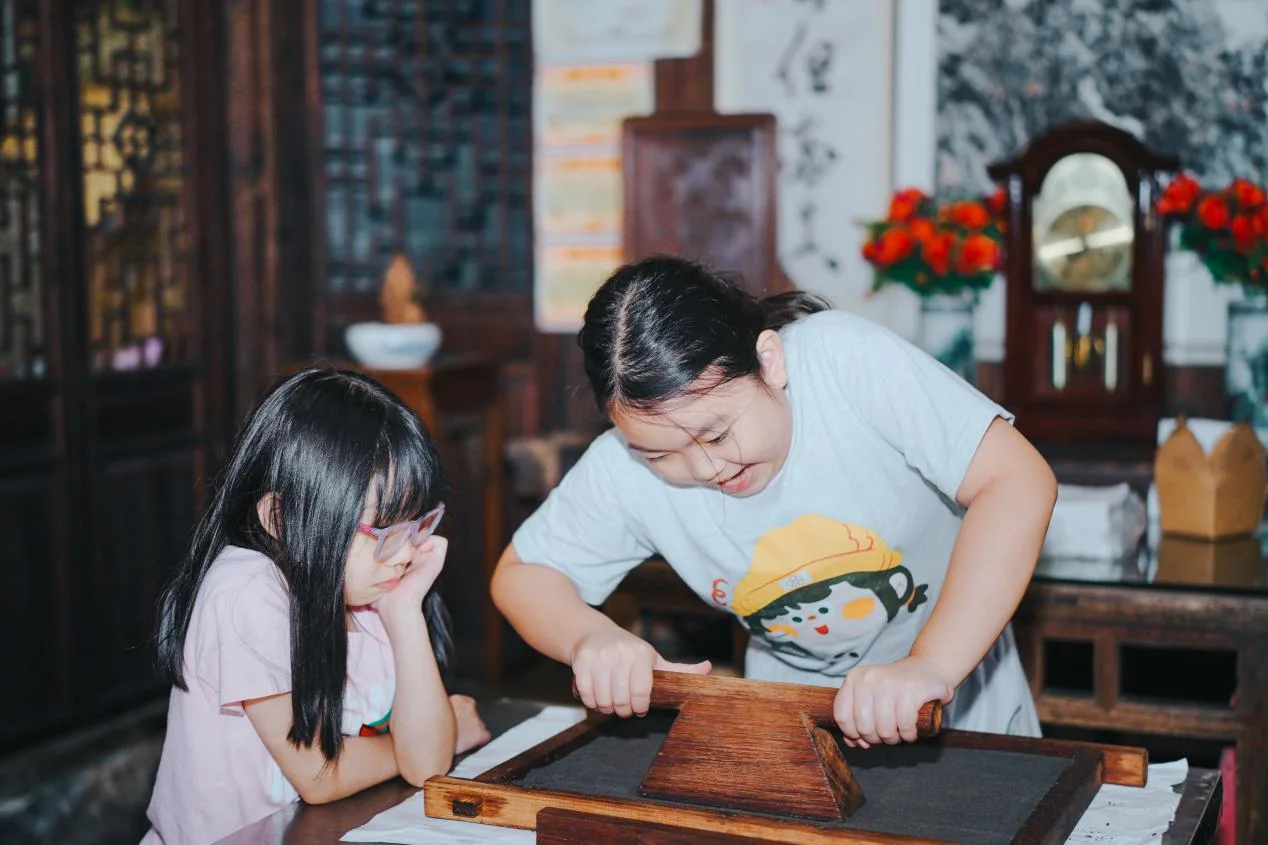
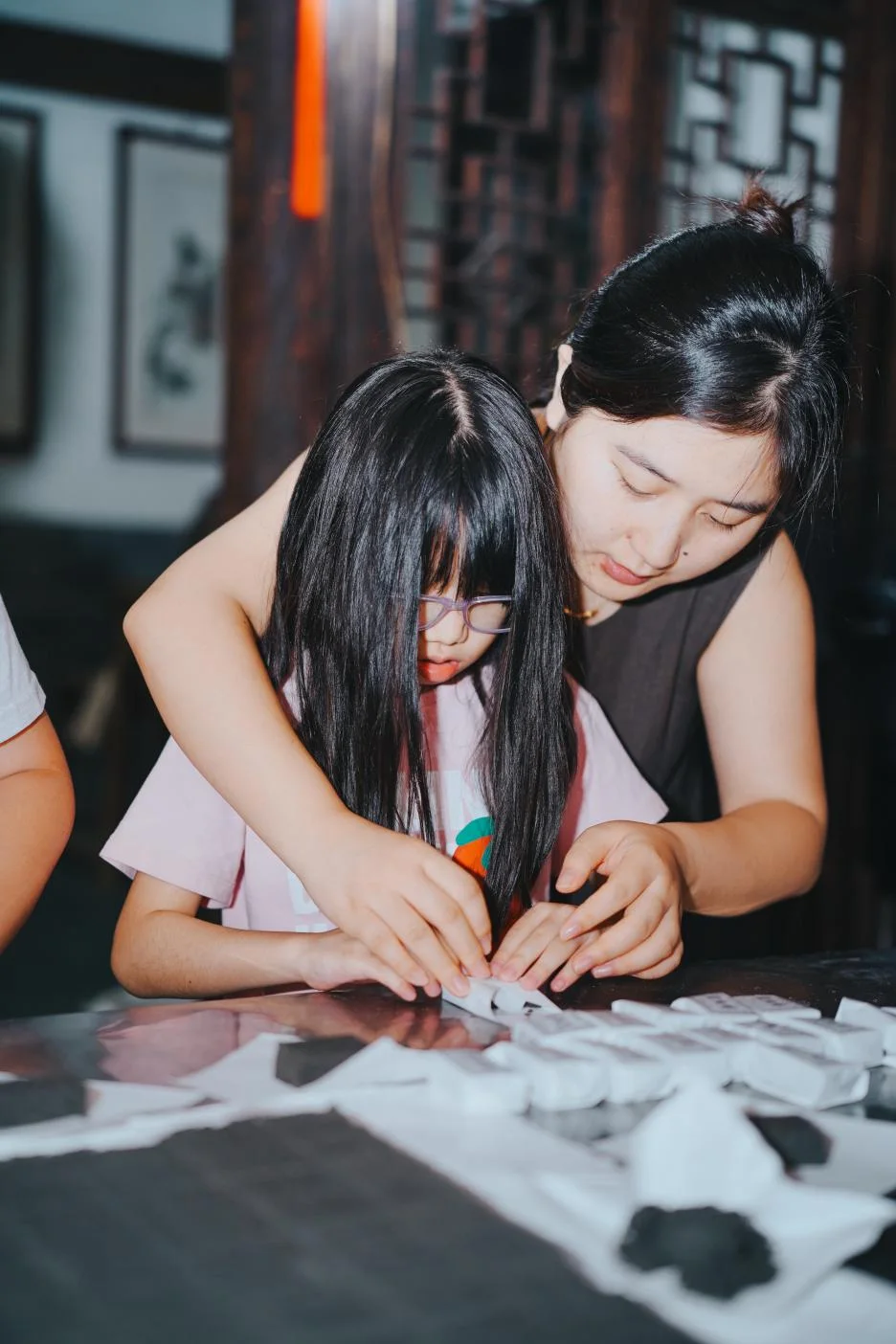
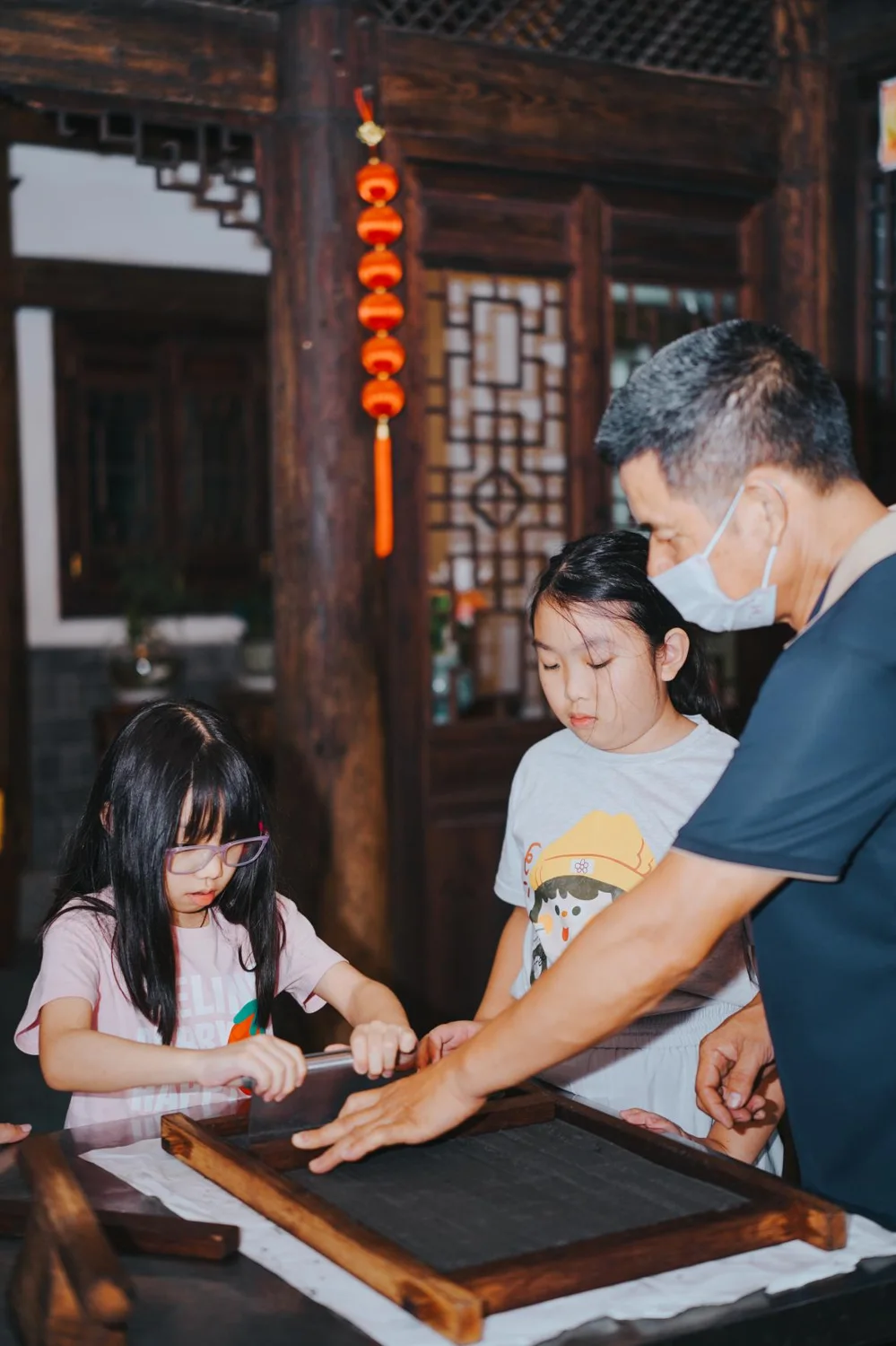
Under the guidance of an experienced master, children make their own Huimo Su and learn the history and local culture behind this distinctive pastry.
Day 6In Search of Ink and the Spirit of Huizhou
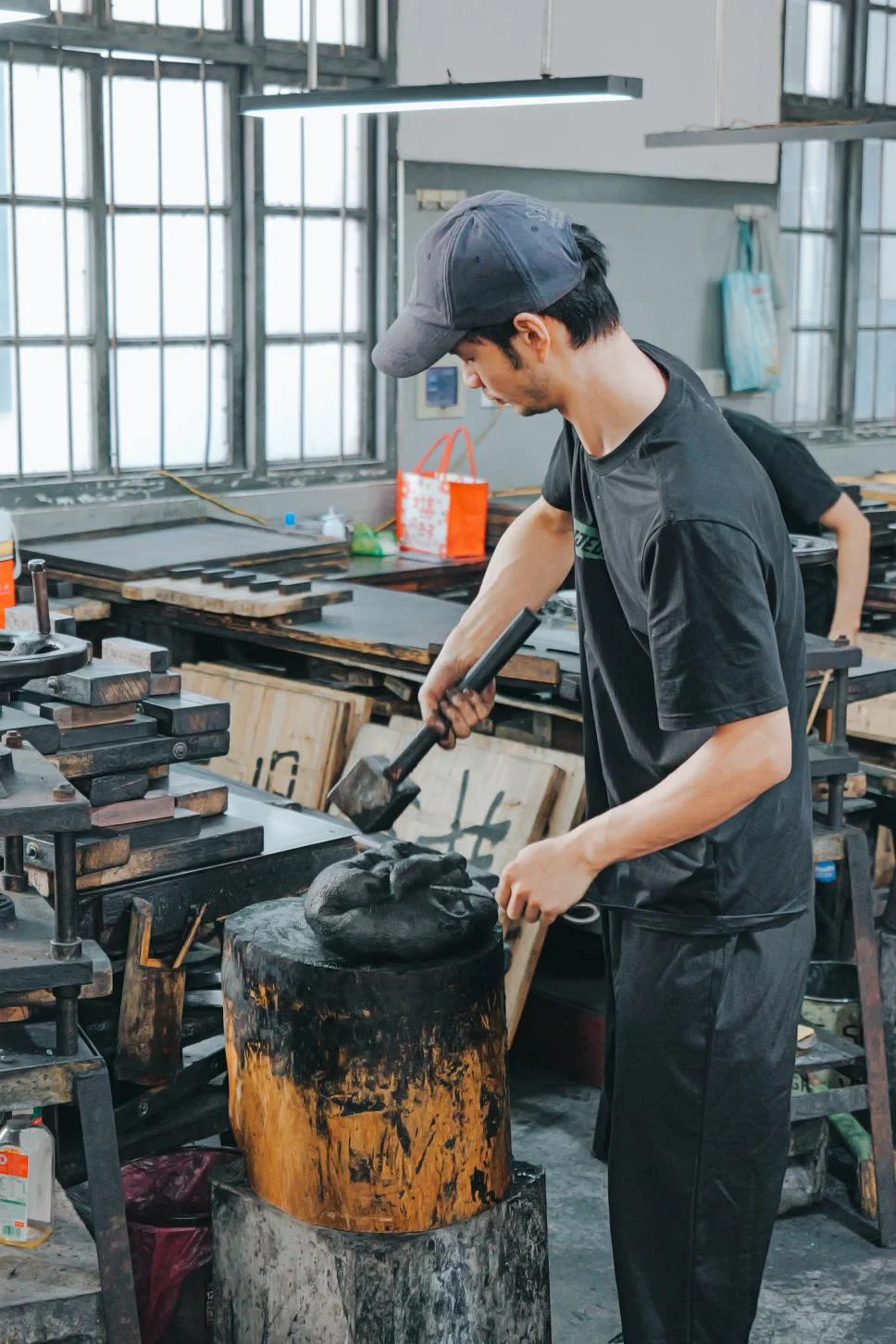
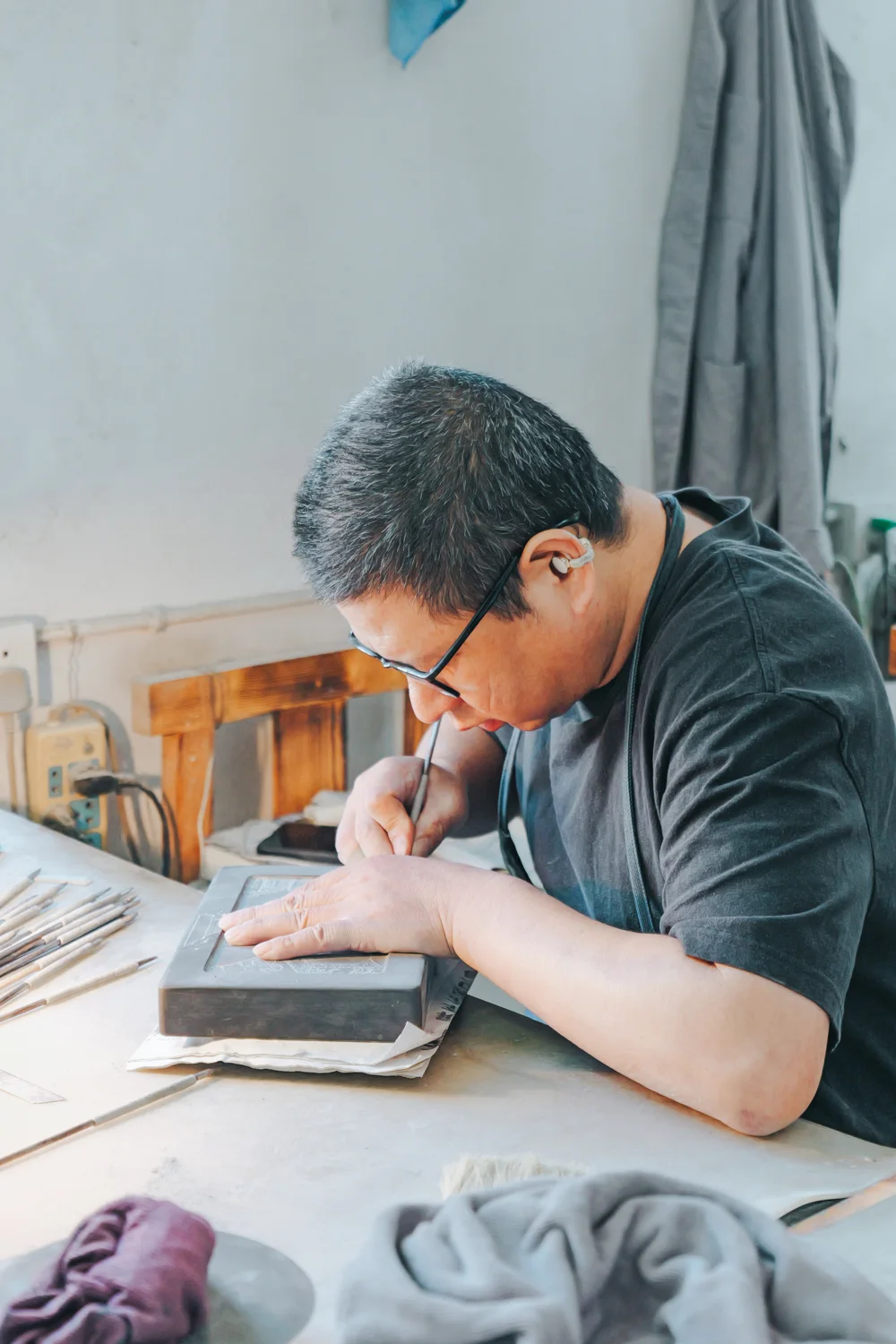
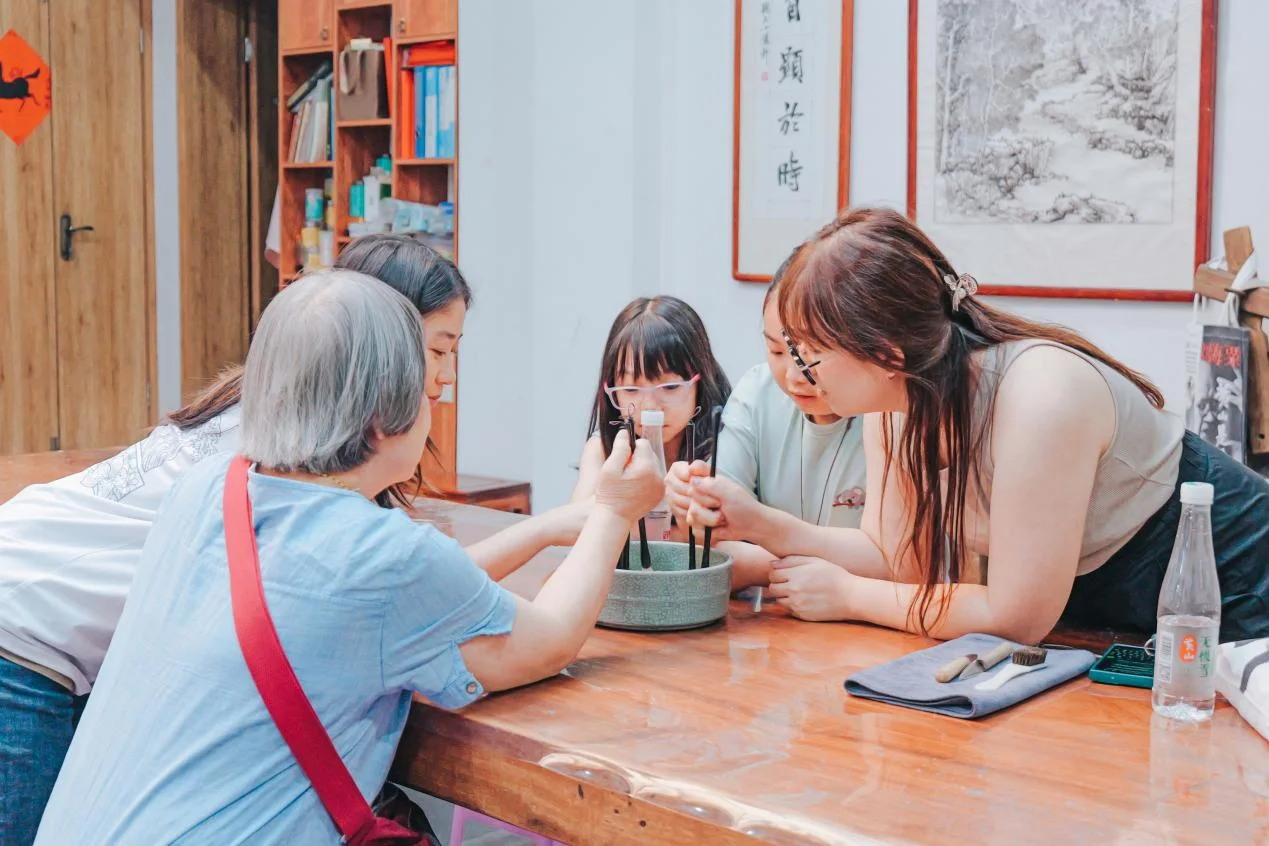
Morning: Huizhou ink is an emblem of the region's culture, prized for its deep, lacquer-like colour and lasting finish. At a century-old ink factory, learn from ink makers and discover their dedication to craft. A master guides each participant in applying gold decoration as they make a hand-shaped inkstick and an inkstone.
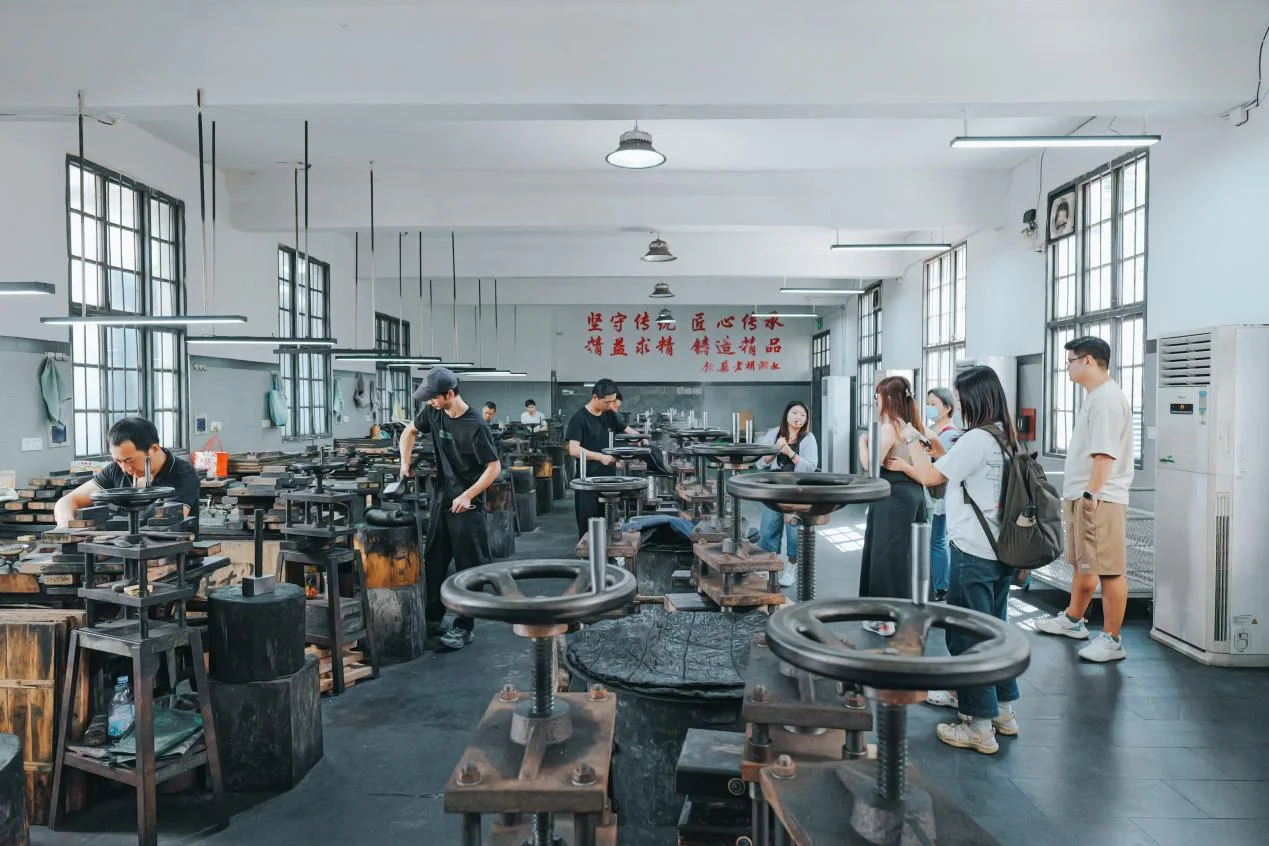
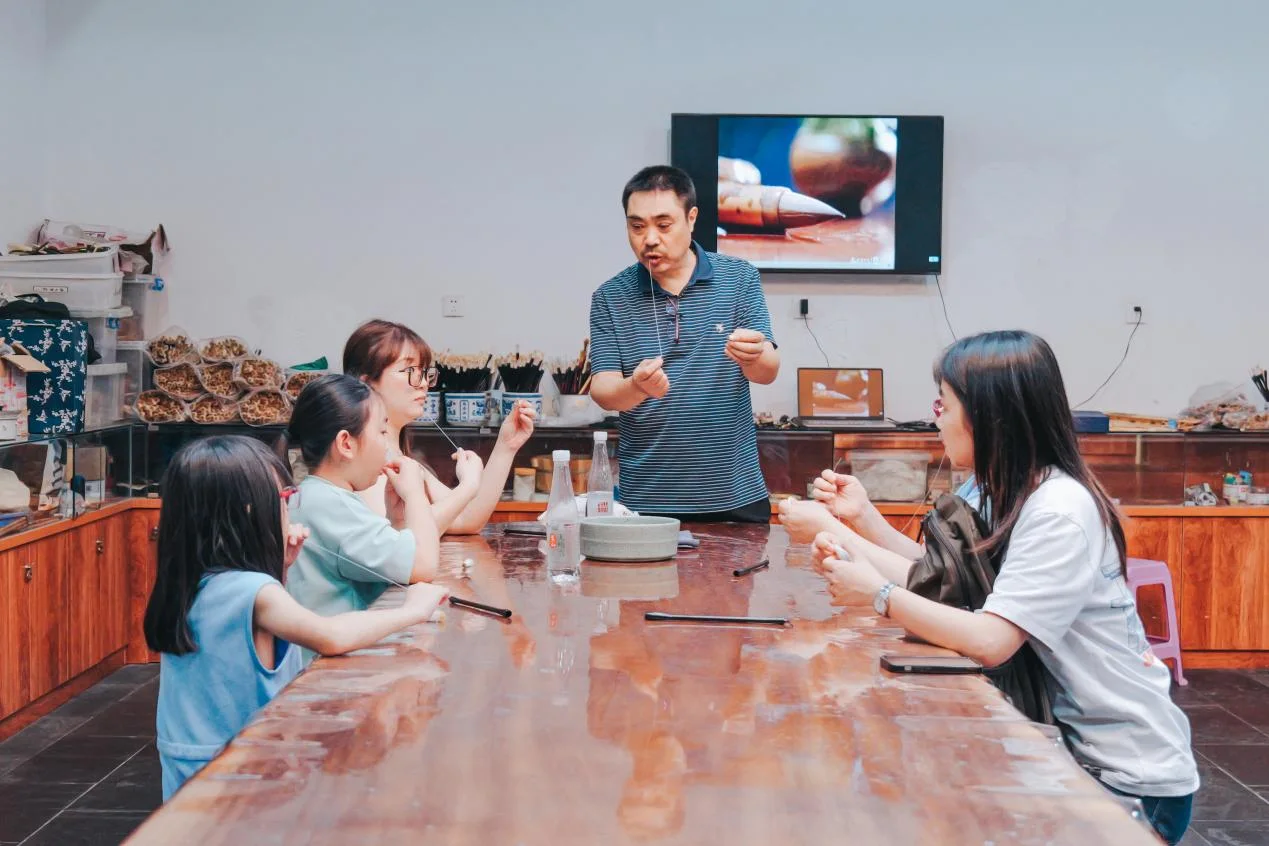
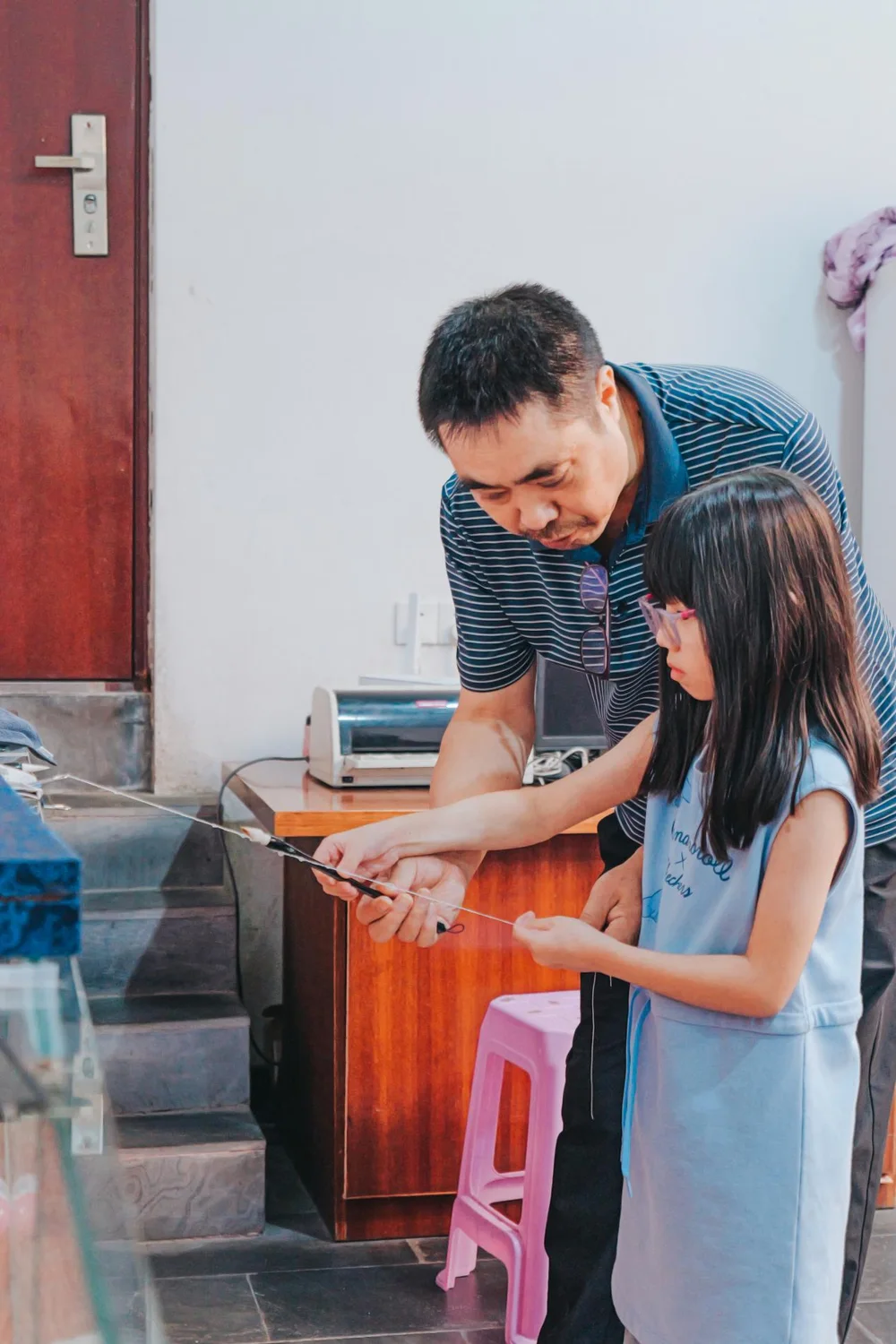
Afternoon: we admire the beauty of calligraphy, but rarely see the work behind the brush. A fine brush requires the skills of several craftspeople. Visit a brush workshop and take part in more than twenty stages, from the brush head to the handle, helping keep this craft alive through your own hands.
Evening: in traditional stories, dragons bring clouds and rain, ward off misfortune and bestow blessings. Create the sections of a dragon using bamboo strips, Xuan paper and paste, then paint its scales with small brushes.
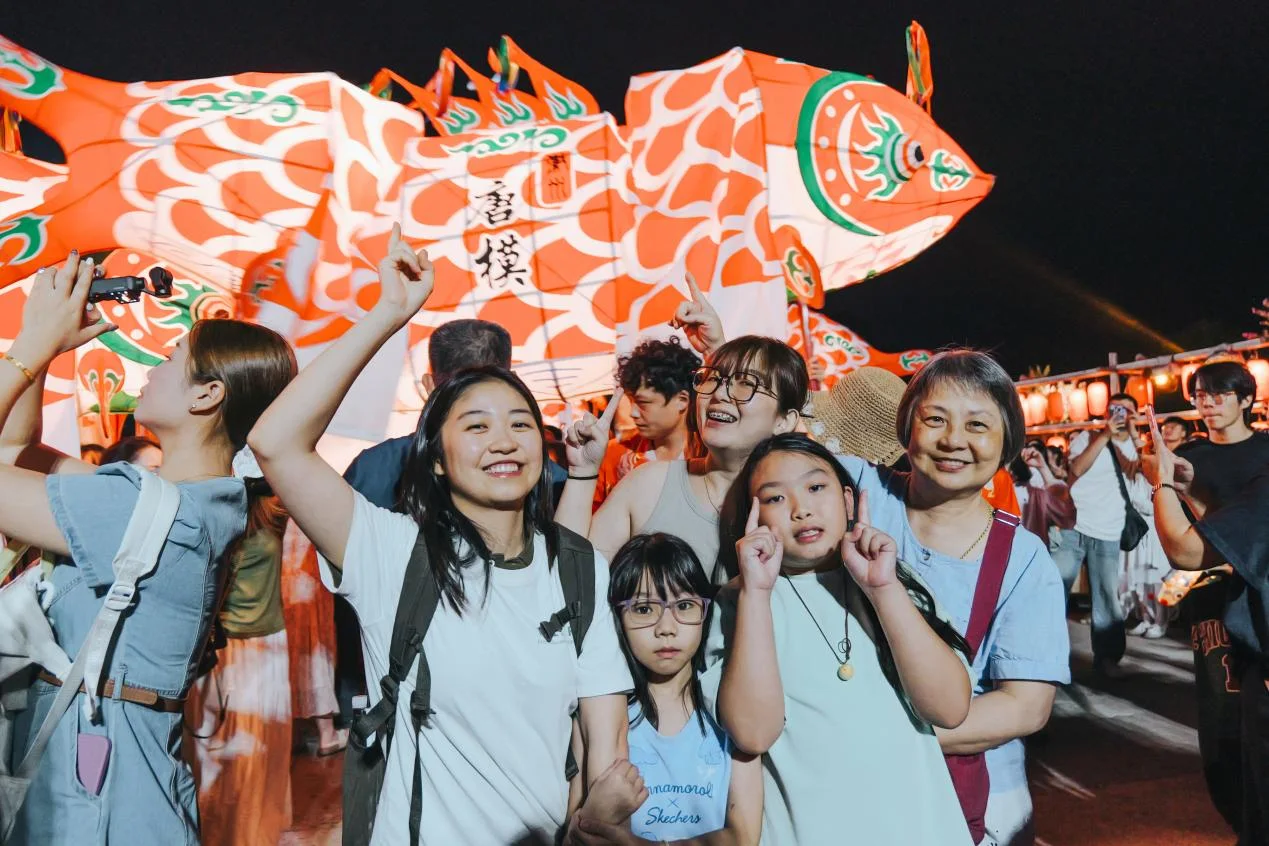
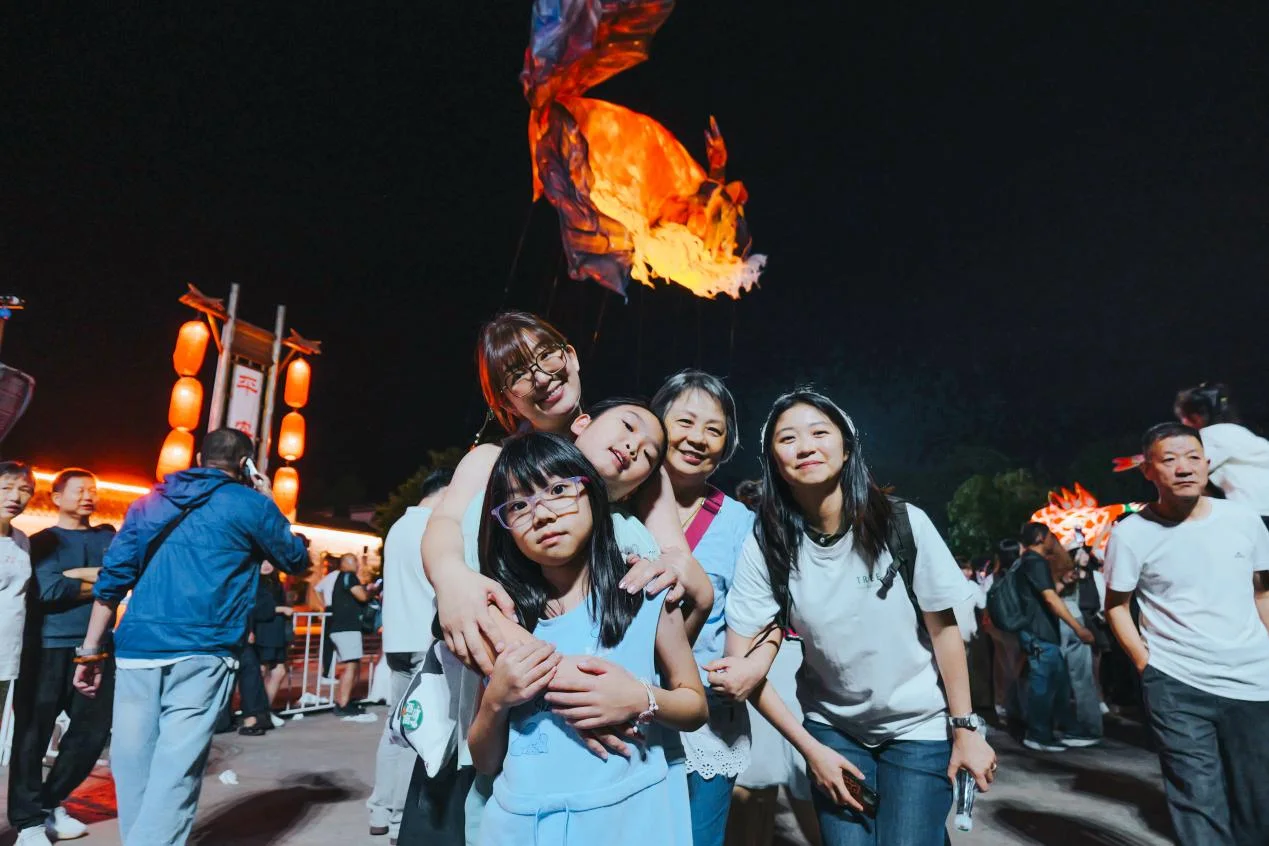
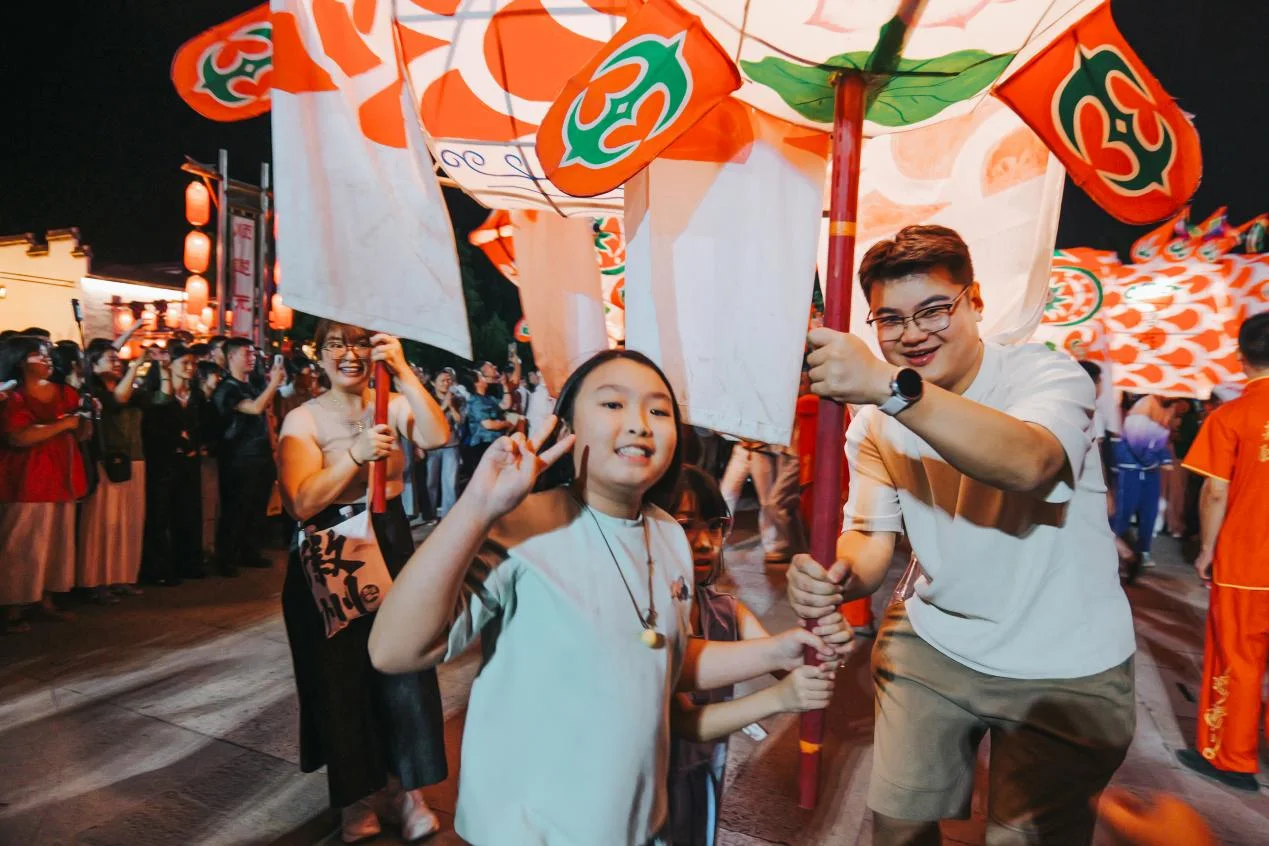
Finally, gather for the closing ceremony, look back on Huizhou's past and present, and reflect on the joy of the journey.
Day 7Bringing the Journey Home
Morning: pack your bags and check each handmade ceramic piece, blue-and-white plate, inkstick and sketch. Every item holds a memory of this study tour.

From This Journey
Children Bring Home More Than Memories
Two wheel-thrown pieces with colourful decoration, one large blue-and-white piece, and one wood-ash-glazed teacup.
One slip-cast piece and one pit-fired vase: six ceramic pieces in total.
One inkstick, one inkstone, one Huizhou brush and one Huizhou pastry: four further creations.
Through This Study Tour
What Will Children Gain?
01Cultural Understanding
Explore the history of Chinese ceramics, Huizhou architecture and living folk traditions to develop a well-rounded understanding of Eastern aesthetics.
02Practical Skills
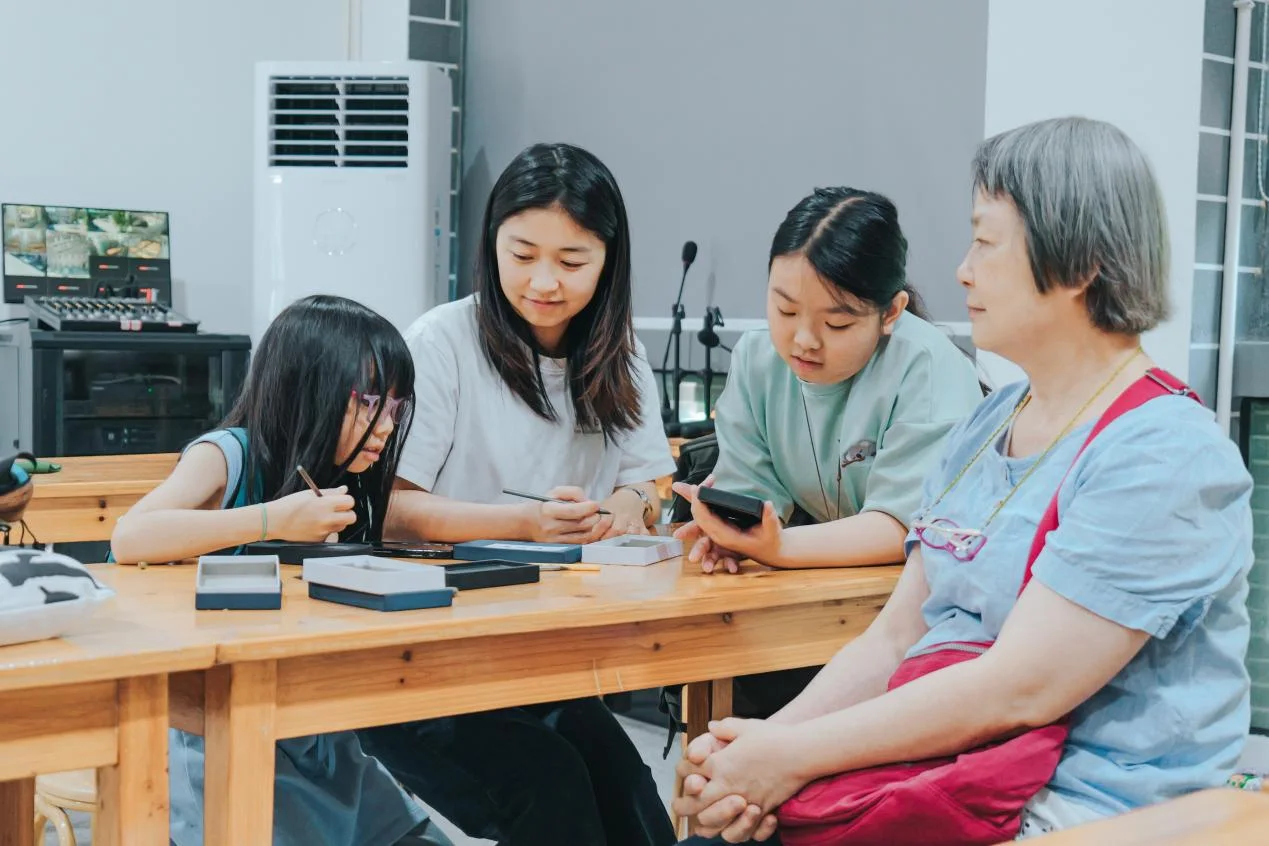
Wheel throwing, blue-and-white painting, model building and ink making: every day includes hands-on activities that let children learn by doing.
03Aesthetic Awareness
Discover beauty in objects, spaces, nature and architecture, developing taste and perception through four complementary forms of aesthetic learning.
04Social and Emotional Growth
Group interviews, shared reflections and teamwork nurture empathy, communication and responsibility.
Closing Thoughts
To Tomorrow's Makers
When your child
holds a cup they have thrown and a plate they have painted in cobalt blue,
a sketch from the tea fields and an inkstick they have decorated with gold,
they will understand:
Beauty is not only an artefact in a distant museum.
It is a way of living that we can create with our own hands.
Patience, focus, passion, creativity…
These words no longer need an adult's explanation.
They live in the clay turning in a child's palms,
and in the cobalt blue flowing from the tip of a brush.
Porcelain China, dreaming of Huizhou.
Between earth and fire, between children and the world,
we hope to be that bridge.